
A camping meal plan should make the weekend easier, not turn the first hour at camp into a kitchen shift. The most useful plan is small enough to shop for in one pass, flexible enough for a late arrival or a hungry friend, and simple enough that everyone can still spend time at the water, on the trails, or around the fire.
This two-day camping meal plan is built around foods that do more than one job. A pack of tortillas can cover breakfast roll-ups, lunch wraps, and a quick dinner. Fruit works for breakfast, the drive, and snacks. A little planning cuts waste, protects cooler space, and leaves more room for the part of the trip that people actually remember.
Start with the kind of camping weekend you are taking
Before making a grocery list, decide what the weekend needs to feel like. A cabin, furnished glamping tent, or RV rental can make room for a slower meal. Tent campers and day visitors may want food that is ready as soon as the cooler opens. Arrival day is usually the wrong time for a detailed recipe, while a relaxed second night can be a good moment for a skillet meal or shared dinner.
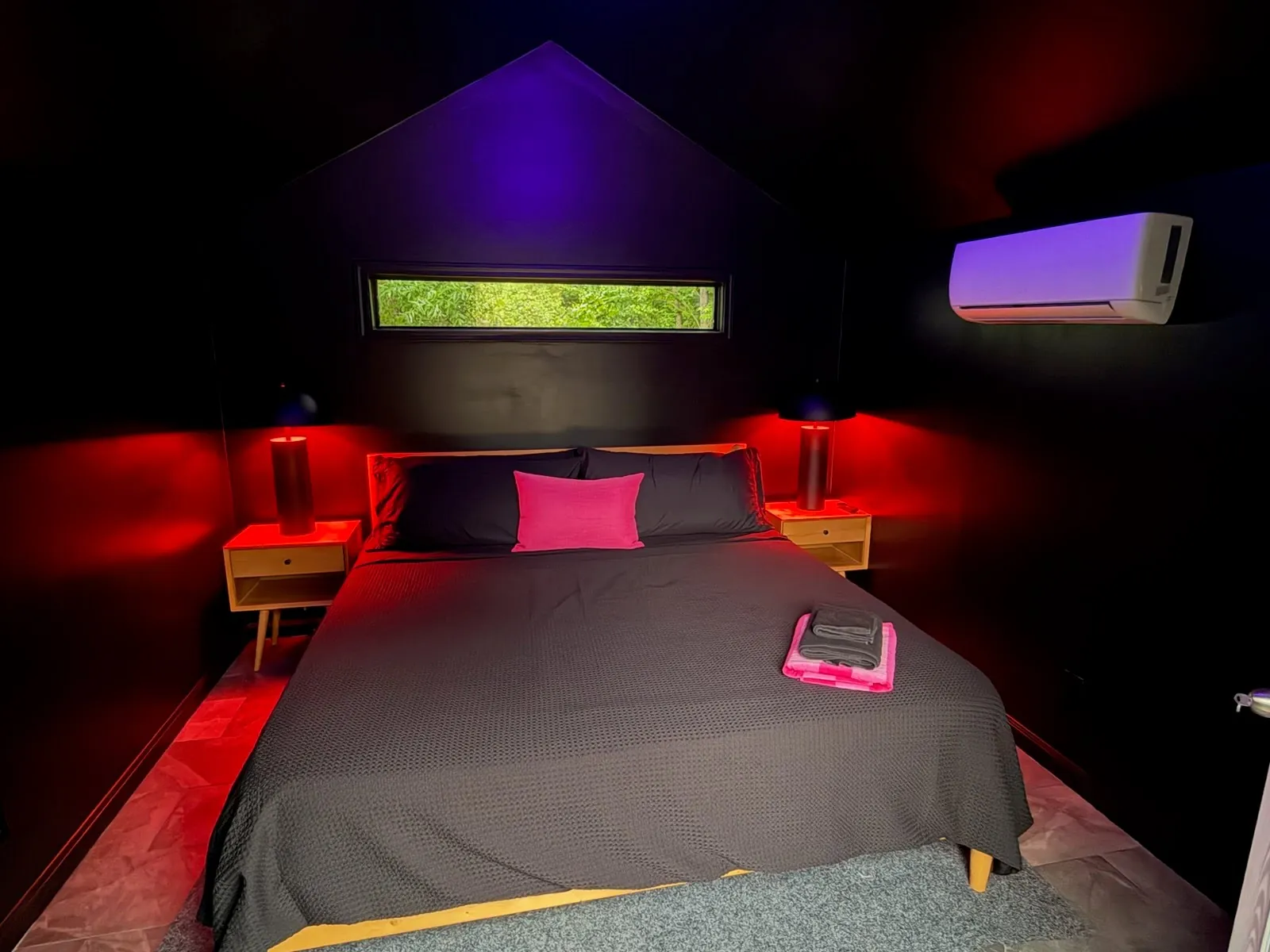
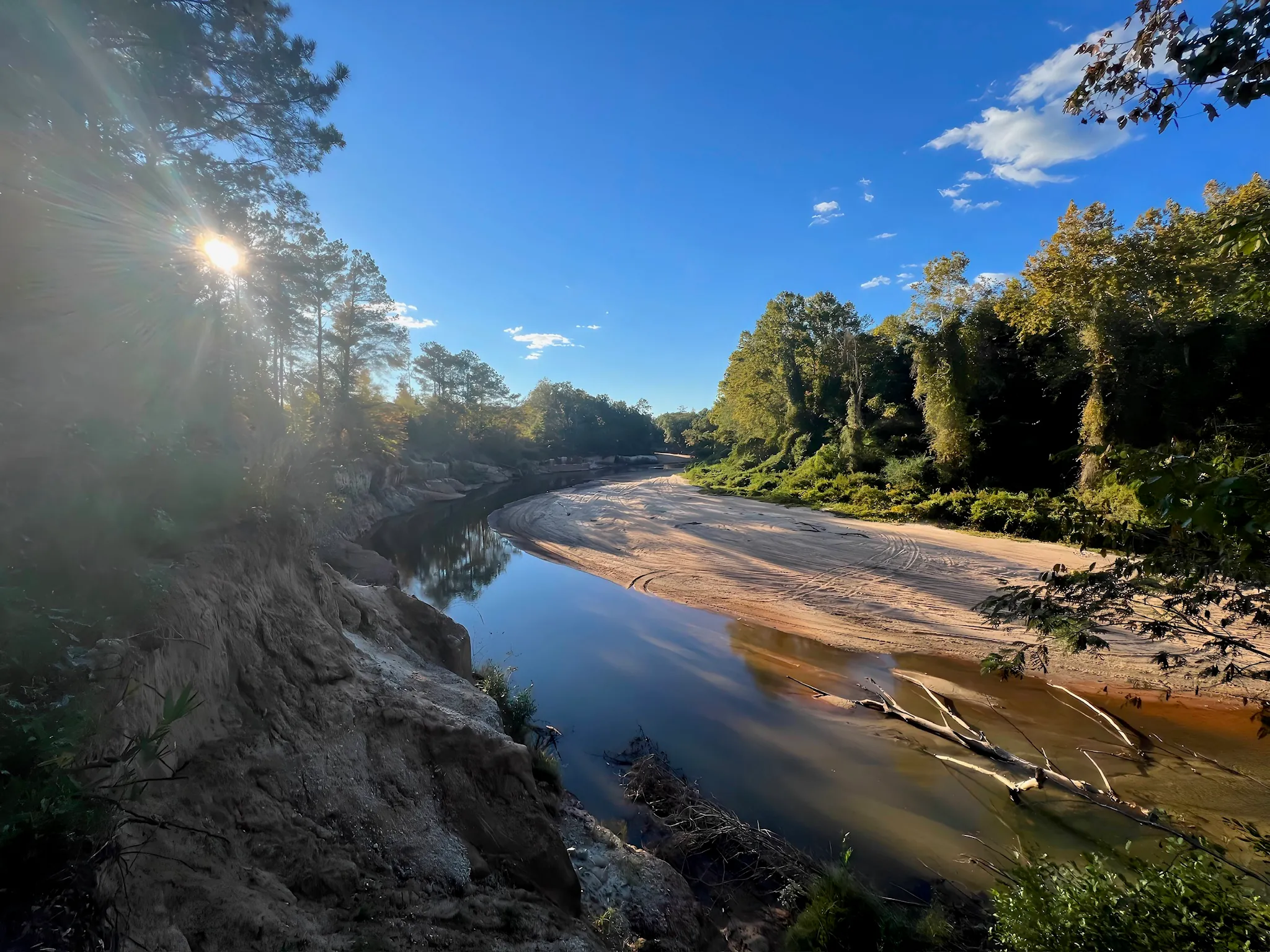
At Farmcamp, guests can choose a cabin, glamping tent, RV site, tent site, or day visit, so the right plan is not identical for every group. Start with the stay comparison, then choose meals that match your actual setup. A simple plan is not less special. It is often the reason there is time for creek swimming, a pool afternoon, or an unhurried evening at the firepit.
The easy two-day camping meal plan
You do not need six separate recipes for a two-night stay. Pick one no-cook breakfast, one cooked breakfast, two packable lunches, two easy dinners, and a few snacks. The plan below gives each meal a clear job while keeping ingredients in rotation.
Arrival night dinner: Bring a simple meal that is already mostly handled, such as prepared sandwiches, wraps, a cold pasta salad, or a takeout meal you can eat before unpacking. If you do cook, make it one-pan and quick. Arrival is for getting settled, not washing three pots in the dark.
First morning breakfast: Use a no-cook option like yogurt, fruit, and granola, overnight oats, bagels, or breakfast burritos made at home. Farmcamp's camping breakfast guide has ten practical choices when you want a little more variety.
First day lunch: Pack wraps, pita pockets, snack boxes, or a make-ahead grain salad. These travel well, make cleanup easy, and let everyone eat before heading back to the pool, creek, or trails. The camping lunch guide can help you choose an option that fits your group.
First night dinner: Make this the one meal that feels like an occasion, but keep it forgiving. Tacos, foil-packet vegetables with a protein, a skillet of beans and rice, or grilled sandwiches can all work without a long ingredient list. Build around what you already opened at lunch instead of buying a separate set of groceries.
Second morning breakfast: Use the ingredients that need to be eaten first. Eggs, cooked leftovers, tortillas, fruit, and cheese can become breakfast tacos. Or move to oatmeal, nut butter, and fruit if you would rather pack up slowly than cook.
Second day lunch and drive-home snacks: Finish the leftovers in wraps or grain bowls, then keep a few shelf-stable snacks for the road. A plan that uses what is already open is easier on the cooler, the budget, and the person who gets stuck bringing home a bag of random food.
Build your grocery list around repeat ingredients
The best camping grocery list is not a long list. It is a short group of ingredients you can use in several places. That keeps your food from becoming a pile of half-used sauces, oversized produce bags, and a cooler full of items nobody knows how to combine.
- Breakfast basics: bagels or tortillas, eggs or yogurt, fruit, oats or granola, coffee or tea, and a shelf-stable backup.
- Lunch basics: tortillas or pita, hummus or another protein, vegetables, fruit, crackers, and one make-ahead salad or snack box.
- Dinner basics: beans, rice or potatoes, tortillas, vegetables, cheese, one protein if your group wants it, and a sauce or seasoning you will actually use twice.
- Snack basics: trail mix, popcorn, fruit, chips, dried fruit, nut butter, and something easy to share around the campsite.
- Drinks and cleanup: plenty of water, ice, reusable bottles, napkins, a trash bag, soap or wipes, and containers for leftovers.
Plan for dietary needs before leaving home. A vegetarian guest needs a real main meal, not a side dish after everyone else has eaten. The same goes for allergies and gluten-free needs. A five-minute check before shopping lets you build meals everyone can enjoy rather than trying to improvise around a cooler later.
Keep the cooler organized, not overstuffed
A cooler works better when it has a plan. Put the first meal near the top, keep drinks separate from food when possible, and use a small bag or container for tomorrow's breakfast or lunch. Every extra minute spent searching through melting ice makes simple food feel harder than it needs to be.
Perishable food should stay cold. The USDA's food-safety guidance is worth reviewing before you pack meals with meat, dairy, eggs, or leftovers. Clean hands and surfaces, separation between raw and ready-to-eat foods, proper cooking, and chilling are the basic habits that keep a weekend meal plan from becoming a rough memory.
Make one kit for cooking and cleanup
Keep the useful tools together in one small tote or bin: a lighter if your setup needs one, a skillet or small pot, spatula, knife with a cover, cutting board, reusable plates and utensils, can opener, dish soap, towel, trash bag, and containers for leftovers. Do not bring a full kitchen if you only plan to make one warm meal.
For a group, decide who is bringing the cooler, cooking kit, water, and shared snacks before anyone leaves. That avoids duplicate bulky items and makes it less likely that every person assumes someone else packed the coffee. It is a tiny bit of coordination that buys back time once the weekend begins.
Match food to the Farmcamp weekend you want
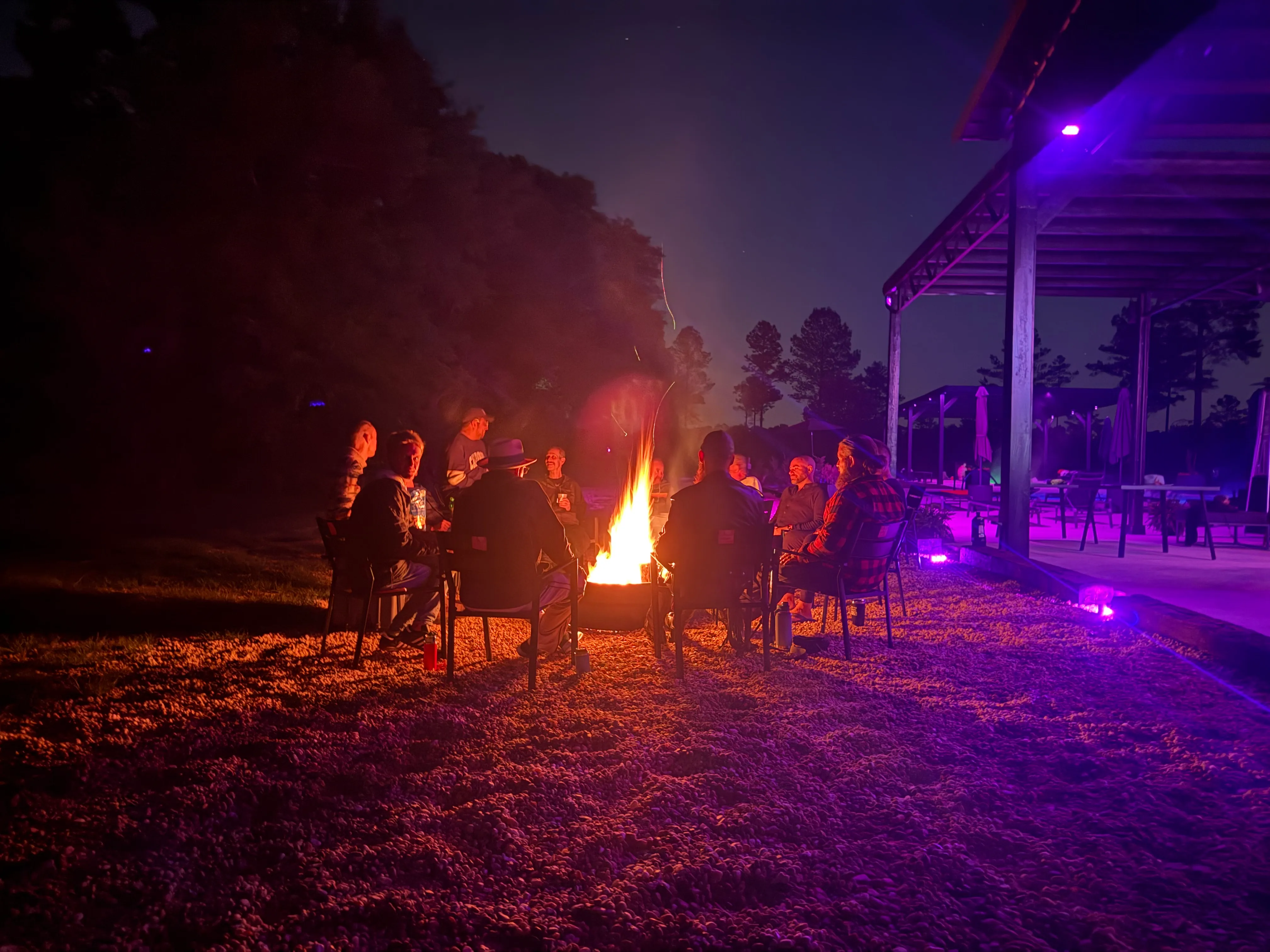
Farmcamp is made for a mix of outdoor time and community time, so leave room in the meal plan for both. A slower stay might include a leisurely breakfast and a simple dinner by the fire. An event weekend may call for grab-and-go meals, a cooler full of water, and snacks that work between plans. Check the event calendar before you shop so food supports the day instead of competing with it.
New guests can use the first-time guide to sort out membership, arrival, and stay questions before the trip. Then choose the meal plan that gives you the kind of weekend you want. At its best, camping food is there when you need it and out of the way when the day gets good.
Frequently asked questions
How much food should I bring for a two-day camping trip?
Start with two breakfasts, two lunches, one dinner for each night, flexible snacks, plenty of water, and one shelf-stable backup. Adjust for your group size, drive time, activity level, and whether you plan to eat at a restaurant or event.
What is the easiest food to bring camping?
The easiest camping food uses familiar ingredients in more than one meal. Tortillas, fruit, vegetables, hummus, eggs, bagels, cheese, beans, crackers, and a simple protein can cover several meals without filling the cooler with one-use ingredients.
How do I keep a camping meal plan simple for a group?
Choose one flexible breakfast, one packable lunch, one easy dinner, and a few shared snacks each day. Ask about dietary needs before shopping, divide responsibilities for the cooler and cooking kit, and keep a shelf-stable option available for anyone who gets hungry before the group is ready.
What food is safe to bring camping without a cooler?
Useful cooler-free options include tortillas, nut butter, oats, shelf-stable milk, tuna or bean pouches, crackers, dried fruit, whole fruit, trail mix, and canned beans. Check each label for storage guidance and keep enough drinking water available.
Related posts
 Camping Lunch Ideas: 12 Easy Meals for Your WeekendThese easy camping lunch ideas keep the middle of an outdoor day simple: packable favorites, low-fuss cooler meals, and a food plan that leaves time for the water, woods, and people you came with.
 Camping Breakfast Ideas: 10 Easy Morning MealsThese camping breakfast ideas make outdoor mornings easier, with no-cook favorites, make-ahead options, and simple camp meals that leave more time for the creek, trails, and whatever the day brings.
Plan your stay
Keep the food easy. Make the weekend yours.
Choose a Farmcamp stay or day pass, pack a short food plan, and leave more room for the woods, water, and people around you.