
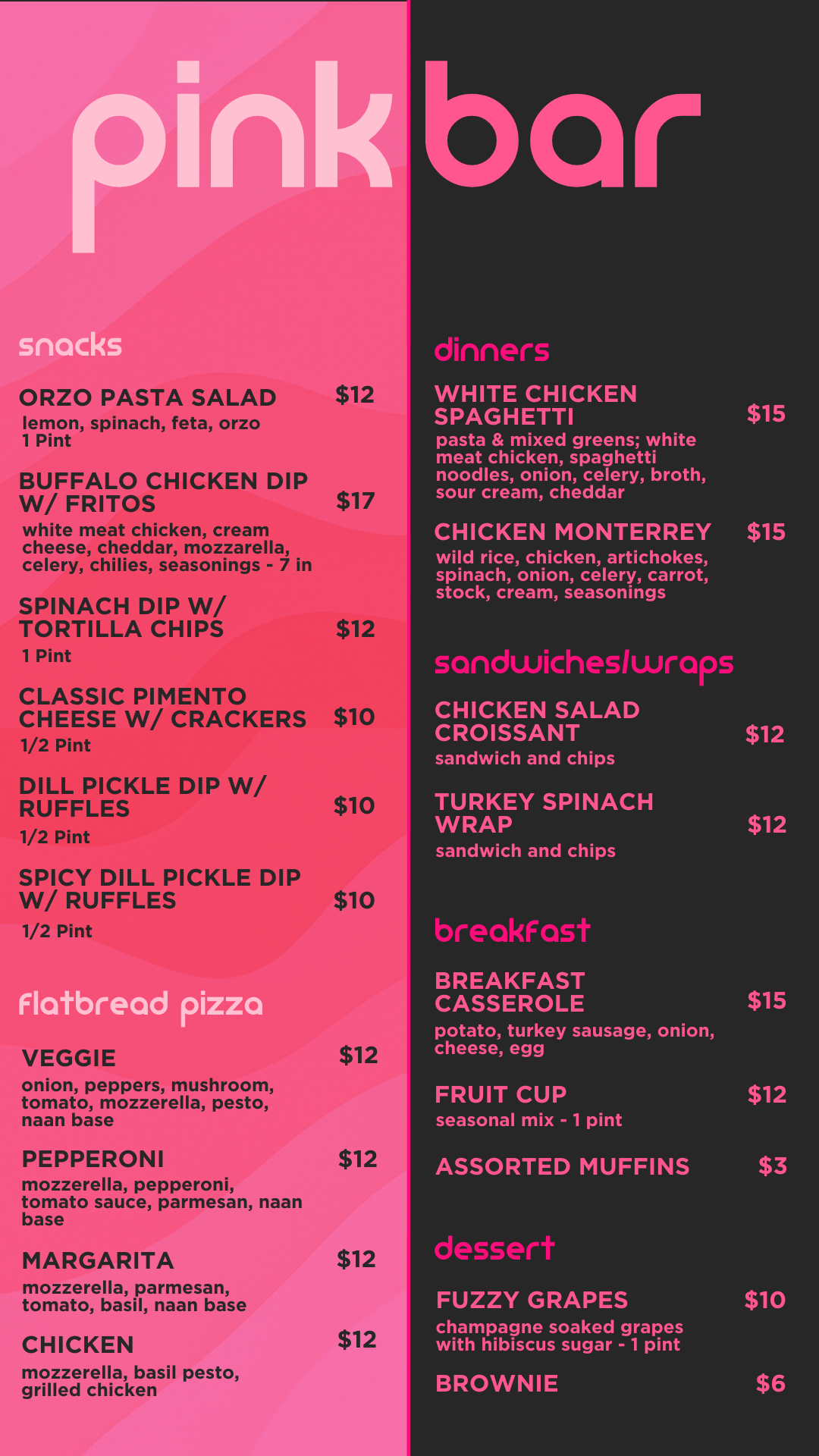
Camping breakfast does not need to begin with someone rummaging through a cooler while everybody else waits for coffee. The good version is simple: choose one meal that fits the pace of the morning, bring a few things that travel well, and keep enough flexibility for a slow start, a water day, or an early trail walk.
These camping breakfast ideas work for a tent site, RV, cabin, or furnished glamping stay. Some take no cooking at all. Others use a stove or campfire when breakfast is part of the fun. Pick two or three for the whole weekend, not ten new recipes. A short plan gives you good food without turning the first hour of every day into a grocery-store problem.
1. Breakfast burritos you make ahead
Breakfast burritos are one of the best camping breakfast ideas because most of the work can happen at home. Fill tortillas with scrambled eggs, beans, cheese, potatoes, vegetables, or a protein your group likes. Wrap them individually, chill them, and warm them in a skillet, foil packet, or microwave if your stay has one. Add fruit or salsa on the side and breakfast is handled.
Make a few plain or vegetarian burritos when the group has different tastes. That is easier than asking everyone to agree on one skillet. Keep the fillings modest so the burritos heat evenly and do not fall apart in someone’s lap on the first morning.
2. Yogurt, fruit, and granola cups
For a cooler-friendly breakfast with no stove, pack yogurt, berries or sliced fruit, granola, and a little honey or nut butter if you want it. Put each serving in a reusable container or bring the ingredients separately for a casual build-your-own breakfast. It is especially useful after a late night, when nobody is interested in cleaning a pan before heading out.
Keep dairy cold and pack the granola separately so it stays crisp. This is an easy choice for a cabin, glamping tent, or RV rental, but it works just as well at a tent site when the cooler is organized.
3. Overnight oats for a quiet morning
Overnight oats are made for mornings when you want to eat before the day gets moving. Combine oats, milk or a milk alternative, yogurt if you like it, fruit, and a pinch of cinnamon in a jar before bed. By morning, breakfast is ready. Make two flavors so nobody feels stuck with a single choice, then add bananas, berries, or nuts just before eating.
This option is low-mess, easy to portion, and kind to the person who wakes up hungry before the rest of the group has found the coffee. If your plan includes an early drive, it also travels well in a cooler for the road.
Keep your overnight oats in the part of the cooler that stays coldest and set out spoons before bed. A tiny bit of preparation means someone can eat early without waking the whole campsite, and it keeps the morning from turning into a debate about whether anybody wants to cook.
4. Bagels with simple toppings
Bagels are sturdy, filling, and far less fragile than a loaf of sliced bread in a packed car. Bring cream cheese, nut butter, jam, smoked salmon, sliced tomato, or avocado based on what your cooler and group can handle. Toast them over a camp stove only if it is easy. A good camping breakfast does not become better because you found a complicated way to heat it.
For a cooler-free backup, bagels with nut butter and whole fruit are hard to beat. Keep a small knife, napkins, and a trash bag together so breakfast does not scatter across the picnic table.
5. A skillet of eggs and vegetables
When you have a camp stove and a little time, scrambled eggs with peppers, onions, spinach, cheese, or leftover vegetables feel like a real morning meal without needing a recipe card. Chop the vegetables before you leave and store them in one container. Bring a small bottle of cooking oil, a spatula, and tortillas or toast so the skillet becomes a full breakfast instead of a side dish.
Cook only what your pan can handle comfortably. A crowded skillet steams food instead of cooking it well, and no one wants to start the day trying to rescue a giant breakfast experiment. Make two quick batches if your group is bigger.
Bring raw eggs only when you have a dependable cooler, then use them early in the trip. For the second morning, switch to a no-cook breakfast or something shelf-stable. That simple order helps you use the most perishable ingredients first and makes the remaining food easier to manage.
6. Campfire breakfast sandwiches
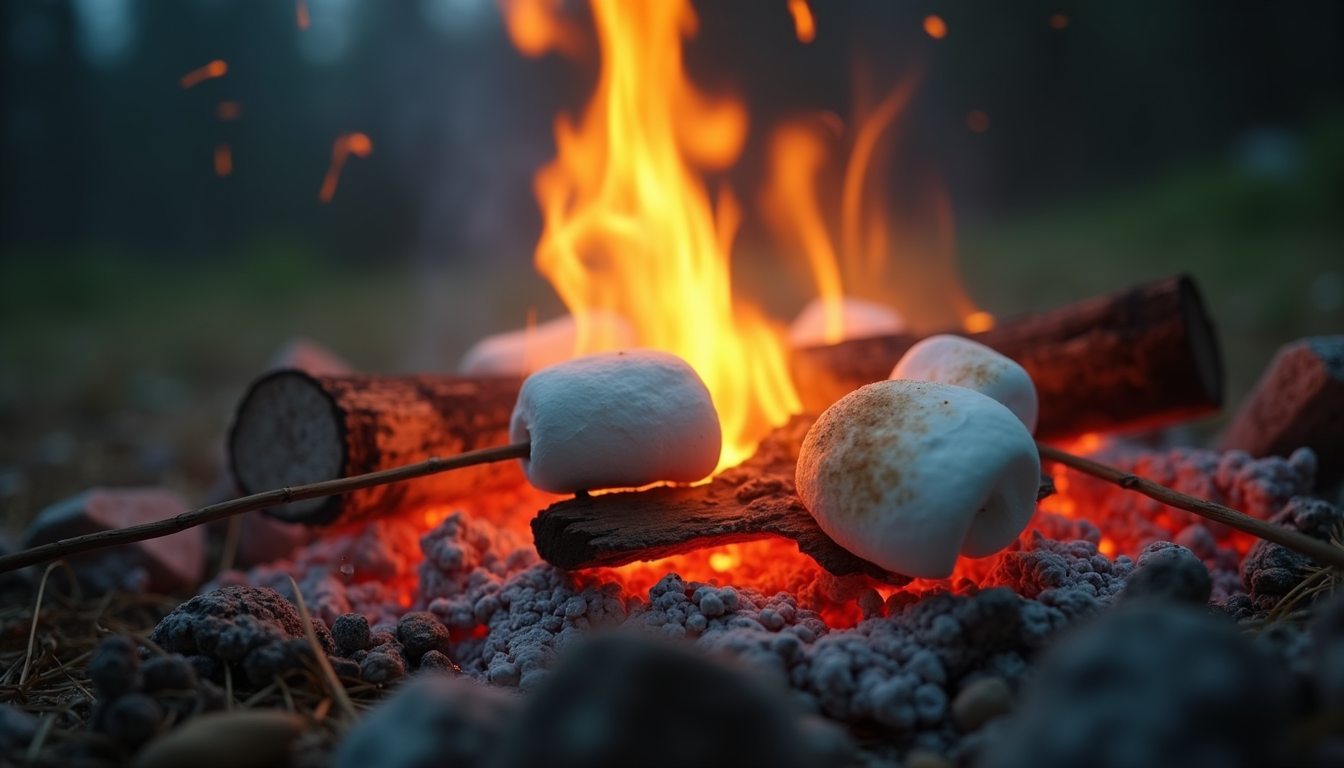
Breakfast sandwiches are a good choice for a slow campsite morning. Use English muffins, biscuits, or bagels with eggs, cheese, and a breakfast protein or vegetables. Assemble them ahead, wrap them in foil, and warm them over gentle heat when your cooking area is ready. They are simple to hand around and keep everyone from waiting for one large meal to finish.
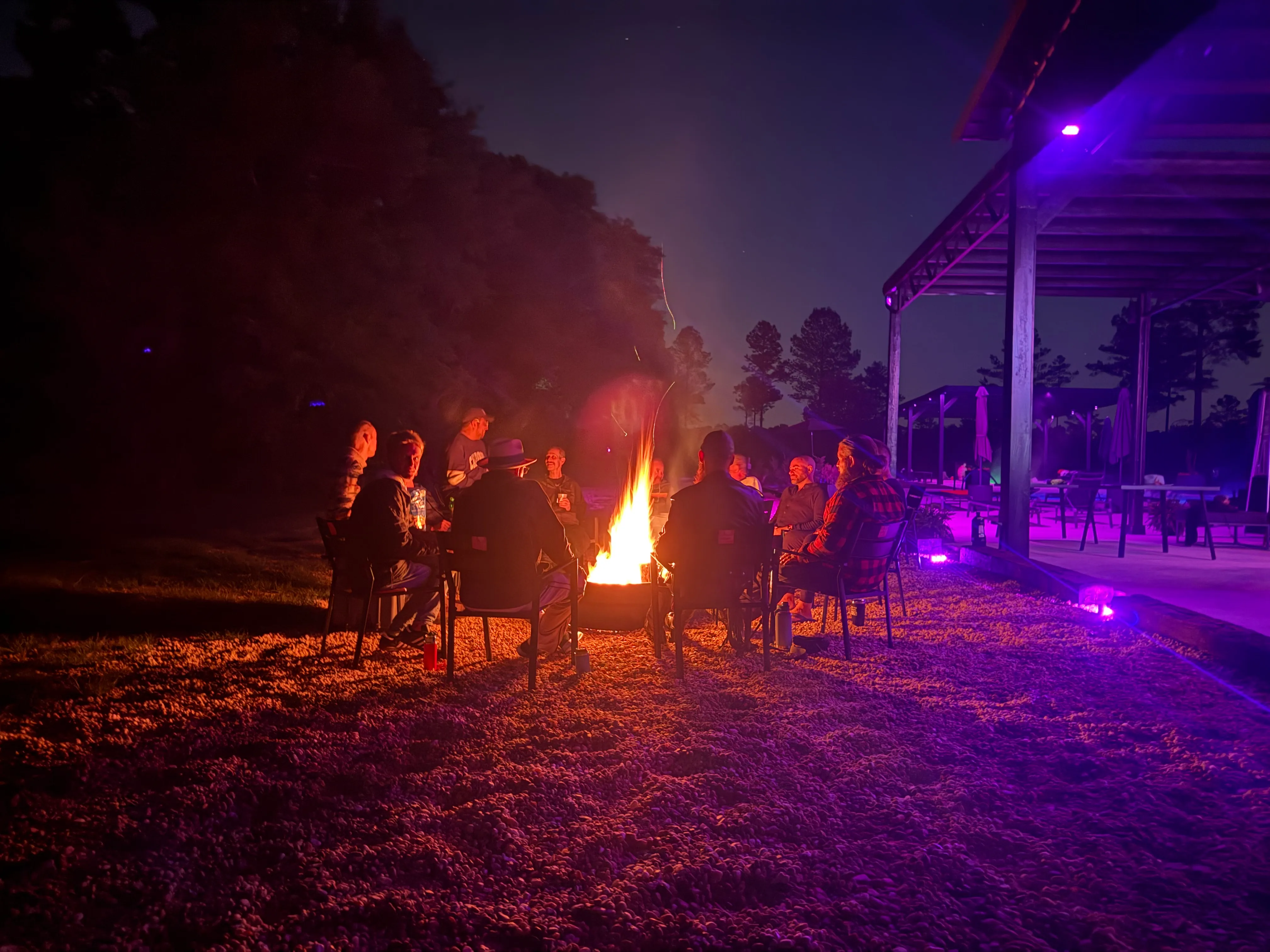
At Farmcamp, the amenities include a community firepit and grilling. Use the setup only when it fits the day, follow posted guidance, and keep cooking simple enough that everyone gets to eat while the food is still hot.
7. Peanut butter, banana, and tortilla roll-ups
This is the reliable backup breakfast that almost never goes to waste. Spread nut butter on a tortilla, add banana, roll it up, and cut it in half. It takes less than a minute, travels without a cooler, and can save a morning when someone has slept through the group’s cooking plan. Add cinnamon, granola, or dried fruit if you want more texture.
Bring a few shelf-stable ingredients like these even when you have a full cooler. They give you an easy answer for the drive, an unexpected extra guest, or a day when you would rather get to the creek than cook.
8. Breakfast tacos with leftovers
Breakfast tacos turn leftovers into a meal that feels intentional. Warm tortillas and fill them with last night’s potatoes, beans, grilled vegetables, cooked meat, eggs, salsa, or cheese. They are a smart second-morning option because they use what is already open instead of adding more food to a cooler that is getting harder to manage.
Pack leftovers promptly after dinner and keep them cold. The USDA’s food-safety guidance is worth a quick read before any outdoor weekend with cooked food, dairy, or prepared ingredients. The basics are simple: keep cold food cold, separate raw items, cook properly, and clean up as you go.
9. Instant oatmeal with better add-ins
Instant oatmeal is an easy camping staple, but it does not need to be bland. Pack individual oatmeal packets or portions of plain oats, then add dried fruit, nuts, peanut butter, cinnamon, or a handful of granola. Heat water on a stove, use hot water from your stay when available, and breakfast is ready with almost no cleanup.
This is one of the strongest choices for tent campers, early risers, and anyone who wants a warm meal without a cooler. Keep disposable packets from taking over your bag by portioning oats and toppings into reusable containers before the trip.
10. Fruit, coffee, and a snack-board breakfast
Some mornings call for a table of easy things instead of a formal meal. Set out fruit, cheese, crackers, boiled eggs, nuts, bagels, and coffee, then let people build a plate when they are ready. A breakfast board works well for a group with different wake-up times and gives everyone enough food to get through a trail walk, pool morning, or drive into town.
Think of it as an open breakfast, not a fancy display. Choose a few items that share ingredients with the rest of the weekend, pack them in one cooler bin, and save the big cooking project for a morning when it actually sounds fun.
Keep the morning plan small
Choose one cooked breakfast, one no-cook option, and one shelf-stable backup for a two-night trip. That is enough variety without buying a different ingredient for every meal. A simple setup might be breakfast burritos on the first morning, yogurt and fruit on the second, and bagels or oatmeal ready for anyone who needs food before the plan begins.
Before you leave, put each breakfast in its own bag or container inside the cooler. Keep dry goods together in a tote, and put the first morning's ingredients near the top. The less digging your group has to do at 8 a.m., the more likely everyone will eat before they become unexpectedly dramatic about being hungry.
- Cooked option: burritos, egg skillet, tacos, or breakfast sandwiches.
- No-cook option: yogurt cups, overnight oats, bagels, or fruit and granola.
- Backup option: oatmeal, tortillas, nut butter, dried fruit, and coffee.
- Morning kit: one pan, spatula, knife, reusable plates, utensils, napkins, and a trash bag.
For a full food plan, pair these breakfast ideas with Farmcamp’s camping lunch guide. It keeps the middle of the day just as easy, whether you are staying in a cabin, bringing your own tent, or visiting for the day.
Match breakfast to the Farmcamp day you want
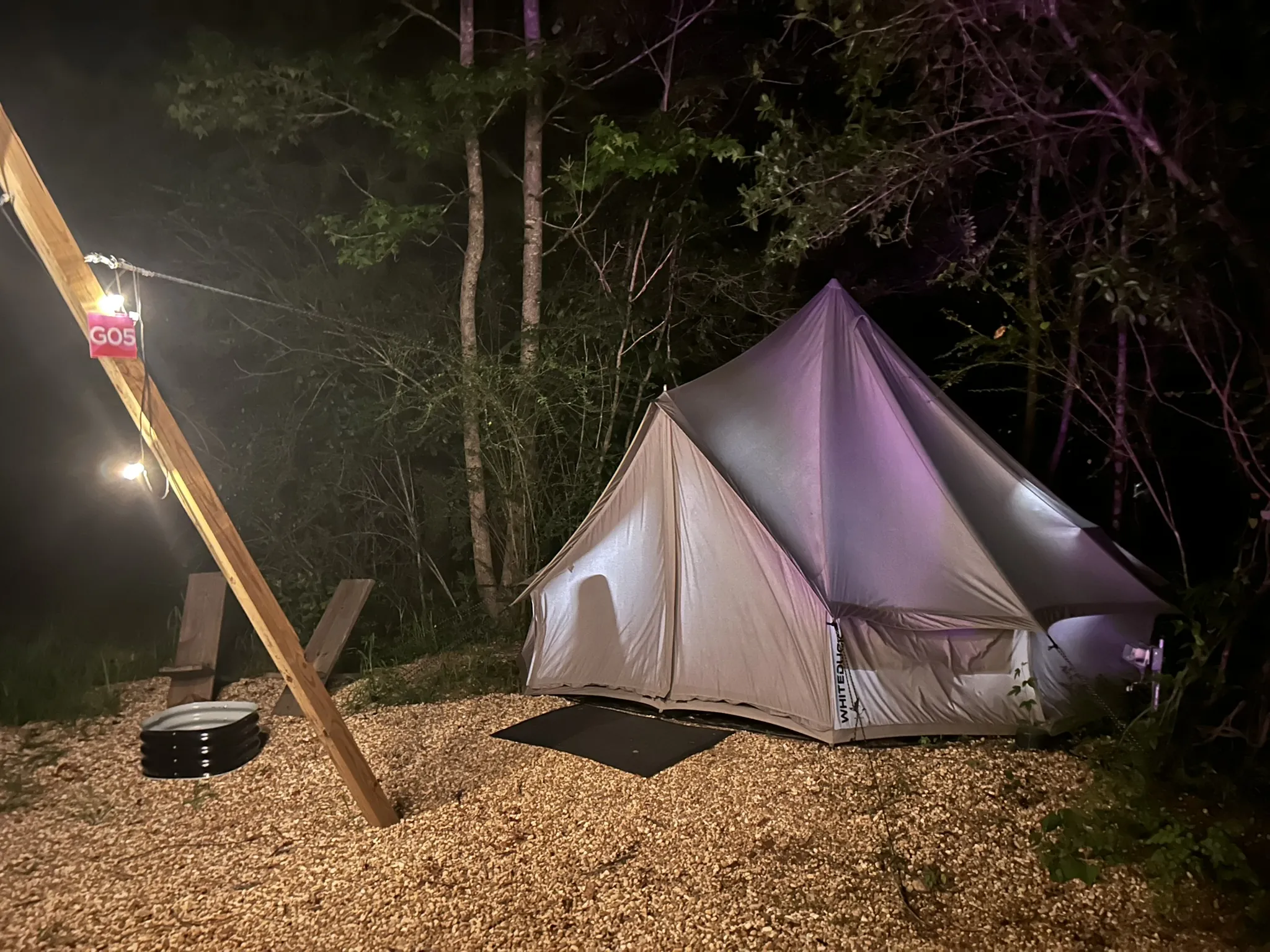
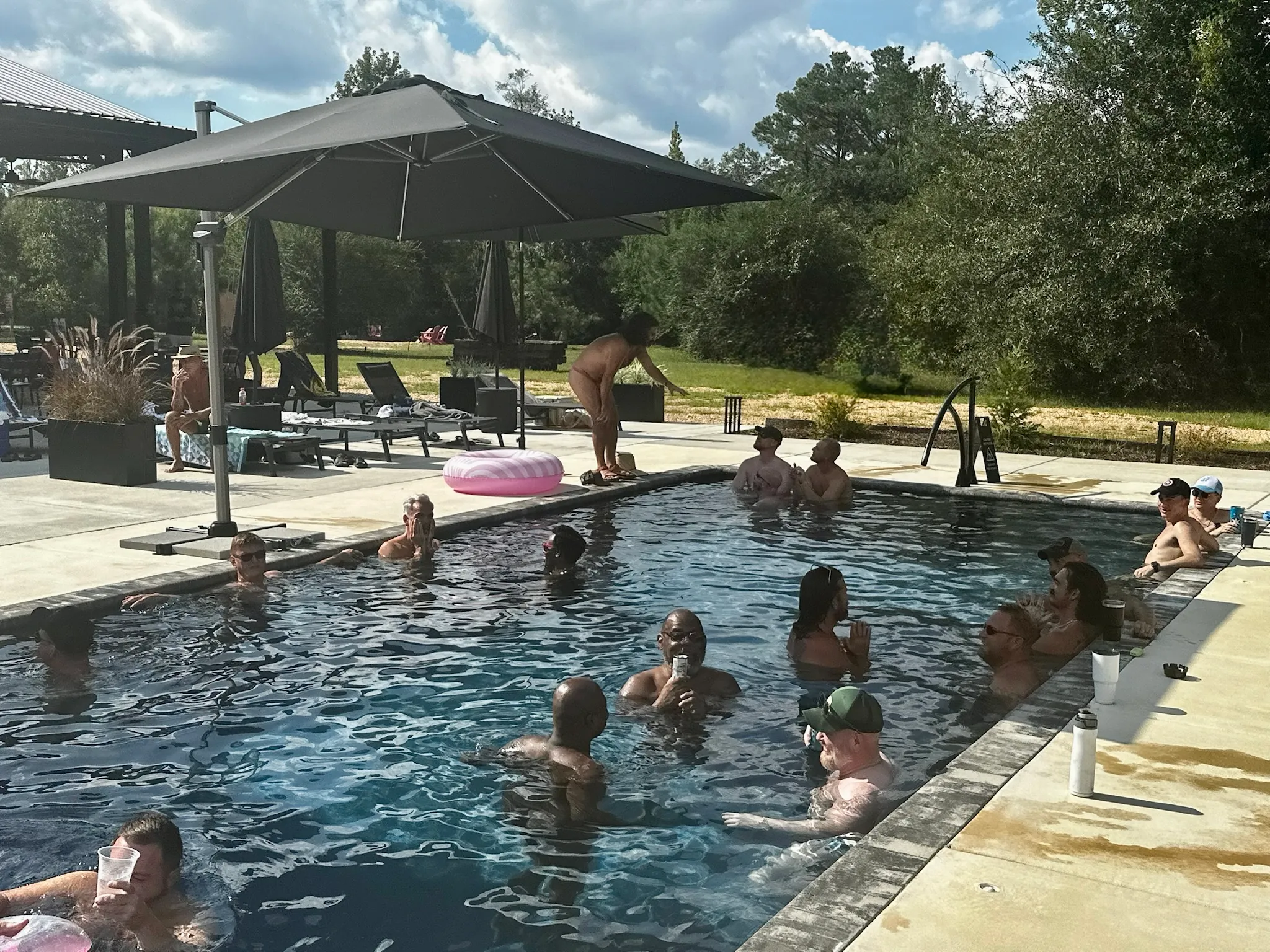
At Farmcamp, breakfast can be a quiet first hour in a furnished tent, a shared picnic-table meal at a campsite, or something you eat quickly before heading to the pool, creek, or trails. Start with your stay type, then use the property map to picture the pace of the day before you arrive.
For event weekends, look at the event calendar before you shop. A simple breakfast is especially useful when you want more room for the people, water, and plans that brought you here. New guests can also review the first-time guide before booking, so membership and arrival details are already sorted.
Cabin and glamping guests may want a slower breakfast with more prep, while tent and RV guests may prefer food that is ready as soon as the coffee is poured. Neither choice is more authentic. Pick the version that lets you enjoy the kind of morning you came for, then leave the rest of the day open.
Frequently asked questions
What is the easiest breakfast to make while camping?
The easiest camping breakfast is one you can serve with little or no cooking, such as yogurt with fruit and granola, bagels with nut butter, overnight oats, or a breakfast burrito made at home. Pick the option that fits your cooler space, cooking setup, and the kind of morning you want.
What breakfast food can I bring camping without a cooler?
Good cooler-free choices include instant oatmeal, shelf-stable milk, nut butter, tortillas, bagels, whole fruit, granola, dried fruit, and coffee or tea. Read labels for storage instructions, and pack perishable items only when you can keep them properly cold.
How do I keep breakfast simple for a group camping trip?
Choose one shared main option, such as a burrito bar or breakfast sandwiches, then add fruit and coffee. Bring the ingredients already portioned, decide who has the stove or cooler, and keep one no-cook backup for anyone who wakes up hungry before the group is ready.
Can I prep camping breakfasts before I leave?
Yes. Chopping vegetables, mixing overnight oats, assembling burritos, boiling eggs, and packing dry ingredients into labeled containers at home can make camp mornings much easier. Refrigerate or chill anything perishable promptly and keep it cold until you are ready to cook or eat it.
Related posts
Plan your stay
Bring an easy breakfast. Make room for the rest of the day.
Choose the Farmcamp stay or day pass that fits your weekend, then build a food plan that leaves time for the woods, water, and people around you.