
A good camping lunch should not become the main event. You want something that is easy to carry, satisfying enough for an afternoon outside, and simple enough that nobody has to stop having fun just to manage a complicated meal. The best choices are familiar foods with a little structure: something substantial, something fresh, and a snack that can wait in a day bag.
Start with the kind of day you are planning. A quick lunch between trail time and the pool needs different food than a long drive followed by tent setup. A group that wants creek time may care more about cold, grab-and-go options. A relaxed cabin or glamping weekend can make room for a make-ahead salad, a shared snack board, or a simple warm meal. Let the day decide the food, then keep the plan easy enough to actually enjoy.
What makes a camping lunch easy?
The simplest camping lunches have three jobs: they travel well, they do not need much last-minute prep, and they leave everyone feeling good enough for the rest of the day. Build around a main item with protein or staying power, add fruit or vegetables, then bring a salty or sweet snack for later. That formula works whether you are packing for two people or feeding a full carload.
Think about cleanup before you buy ingredients. Individual containers can be useful when everyone will scatter after lunch, but a few shared items create less trash and fewer half-used packages. Reusable containers, a small cutting board, a knife with a cover, napkins, and a trash bag handle most situations. If you have to unpack the whole car to find lunch, the meal is already working too hard.
12 camping lunch ideas that travel well
1. Wraps with a crunchy side. Tortillas hold up better than sliced bread and make it easy to build lunches around turkey, hummus, grilled vegetables, chicken salad, or beans. Pack chips, pretzels, cucumbers, or an apple alongside them. Make the wraps before you leave or bring the fillings separately when everyone likes something different.
2. Pita pockets and fruit. Pita is sturdy, easy to hold, and less likely to turn into a soggy mess in a cooler. Fill it with hummus and vegetables, chicken and greens, or chickpeas with a little feta. Whole fruit such as apples, oranges, and grapes gives the meal a fresh finish without another pan to wash.
3. Cold pasta salad. A pasta salad with vegetables, cheese, beans, or chicken is a practical make-ahead option for a group. Keep the dressing light enough that it still tastes good cold, and pack it in a shallow container so it chills quickly. Serve it with crackers or a piece of fruit and you have a lunch that feels more complete than random snacks.
4. Chickpea or bean salad cups. Beans, chopped vegetables, herbs, a little olive oil, and something bright such as lemon can become a filling lunch without cooking at the campsite. Divide it into small containers before leaving so each person can grab one. Add pita chips or tortillas and it is easy to eat at a picnic table, campsite, or overlook.
5. Adult snack boxes. Cheese, crackers, fruit, nuts, olives, hard-boiled eggs, and vegetables can feel surprisingly substantial when packed with intention. This is an especially good choice for a group that does not stop at the same time. Keep the perishable items cold, and pack each person a small box so lunch does not turn into a cooler traffic jam.
6. Peanut butter and banana tortillas. This is the low-effort option that earns its place on a real camping list. Spread nut butter on a tortilla, add banana, roll it up, and cut it in half. It is inexpensive, portable, and useful when you need a backup lunch for the drive, a hungry friend, or the moment the planned meal gets delayed.
7. Tuna, salmon, or chickpea pouch plates. Shelf-stable pouches make a good cooler-free fallback. Pair one with crackers, a mustard or mayo packet if you use it, and sturdy fruit or vegetables. These are not the most glamorous camping lunch ideas, but they are useful because they can stay in the car or day bag until you need them.
8. Greek yogurt with granola and berries. For a late breakfast that becomes lunch, yogurt, granola, and fruit is quick and easy to share. Keep the yogurt cold until serving, then add granola right before eating so it stays crisp. This works well on slower mornings when the group is moving toward the pool, trails, or a day pass instead of rushing out the door.
9. Bagel sandwiches. Bagels stay together better than soft bread and can hold cream cheese, smoked salmon, egg, cheese, or vegetables. They travel well for a road-trip lunch, too. Keep any perishable fillings cold, but bring a plain bagel and nut butter as a backup for anyone who needs something simple and shelf-stable.
10. Leftovers that deserve a second day. A simple grilled dinner, roasted vegetables, or cooked chicken can become tomorrow's wrap, salad, or grain bowl. Pack leftovers promptly and keep them cold. Planning one meal to do double duty lowers the grocery list and keeps you from buying a new set of ingredients for every single meal.
11. Couscous or grain bowls. Cook couscous, rice, quinoa, or another grain before the trip, then add vegetables, beans, cheese, and a dressing you like. It packs neatly, is easy to scale up, and is forgiving when lunch happens an hour later than expected. A grain bowl is a good answer when the group wants something more filling after a swim or a long walk.
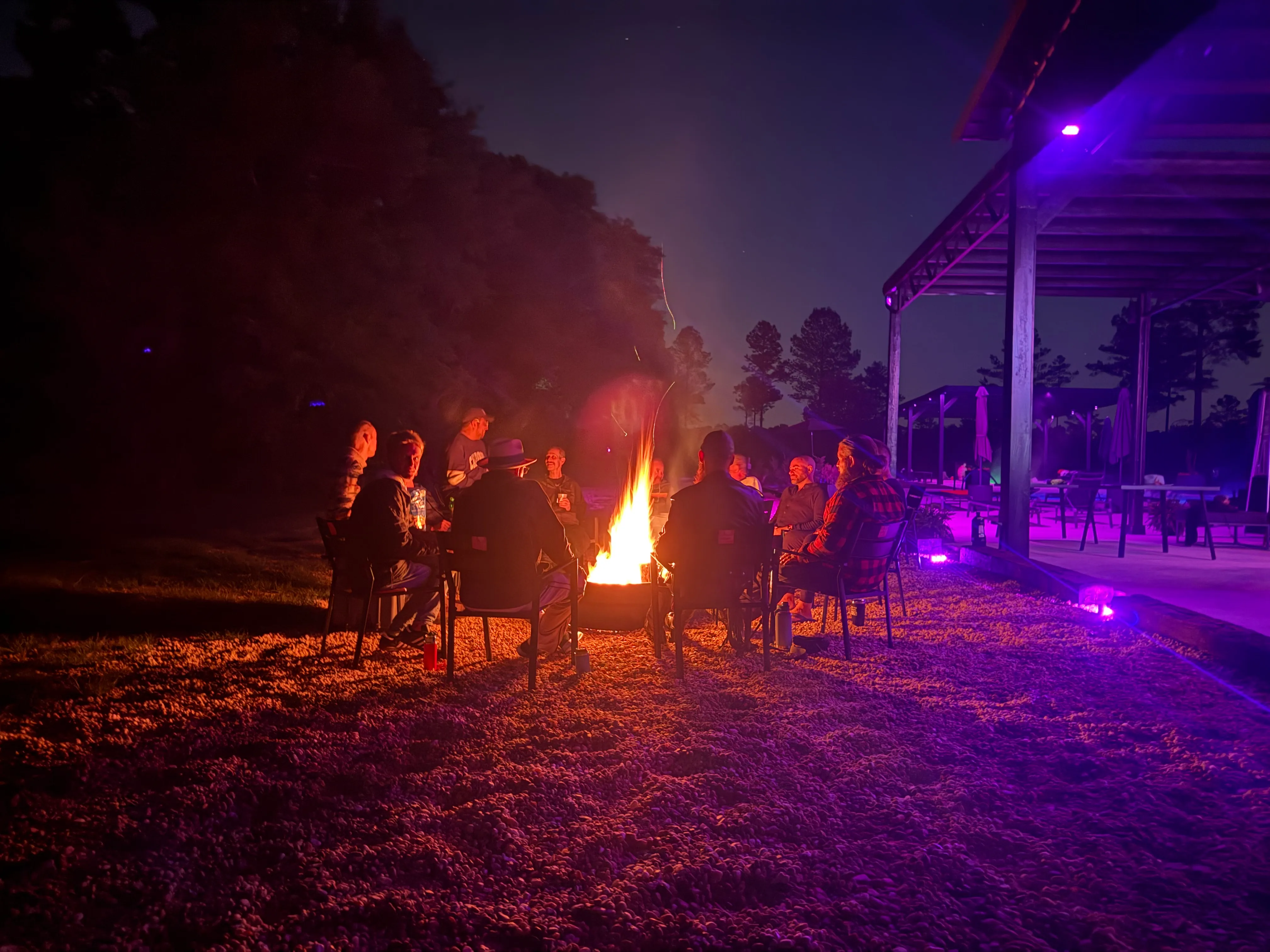
12. A campfire lunch, when your setup allows it. Foil-wrapped vegetables, quesadillas in a skillet, or simple grilled sandwiches can be great when you have a safe cooking setup and enough time to use it. Save this for a relaxed day rather than arrival day. The Farmcamp amenities include a community firepit and grilling, but bring only what you know you can safely prepare, cook, and clean up.
Keep cold food cold without making lunch complicated
Food safety is the one part of camping lunch that should feel boring. Perishable foods need to stay cold, and a cooler works best when it is packed with enough ice or frozen packs, opened as little as possible, and kept out of direct heat. The USDA's food-safety basics are a helpful refresher before a trip, especially when meat, dairy, prepared salads, or leftovers are part of the plan.
Use one cooler for food and another for drinks when you can. Drinks make people open a cooler all day, which is rough on the food you need for lunch. Pack tomorrow's lunch near the top or in a separate container, and keep a small bag of shelf-stable snacks outside the cooler for the moments when someone is hungry now. Clean hands, clean surfaces, separate raw foods, proper cooking, and chilling are the core habits outlined in the CDC's food-safety guidance.
Plan for the people eating with you
The easiest group lunch is one that does not assume everyone wants the same thing. A wrap bar, snack box, or grain bowl works because people can choose their own protein, toppings, and portion without turning the meal into a major production. Before leaving, ask about allergies, dietary needs, and the foods people actually enjoy. A cooler full of ambitious ingredients is not a better plan when half the group will not eat them.
Give vegetarian, vegan, and gluten-free guests a real main option instead of a sad side dish. Chickpeas, beans, hummus, vegetables, fruit, rice, corn chips, nut butter, and tofu can all pull their weight when you build the meal around them from the start. Label containers when several people are sharing a cooler. It takes less than a minute at home and avoids the frustrating game of guessing which salad has dairy, which wrap is spicy, or whose lunch is not safe to share.
For a couple or a small group, choose one flexible base and two easy extras. For example, bring tortillas, hummus, vegetables, fruit, and a bag of chips. One person can make a hummus wrap, another can eat a snack plate, and nobody has to cook a separate meal. The best camping food plan is usually flexible enough to work when the schedule changes, the weather gets hot, or someone decides a second hour by the water sounds better than lunch at noon sharp.
Make one grocery list for the whole weekend
A simple weekend food plan starts by choosing two or three lunches that use some of the same ingredients. Buy tortillas for wraps and breakfast roll-ups. Use fruit for lunch boxes, breakfast, and the drive home. Let a container of hummus work with vegetables, pita, and crackers. The goal is not a flawless menu. It is fewer ingredients, less packing, and fewer leftovers that nobody wants to carry home.
- For quick lunches: tortillas or pita, one protein, vegetables, fruit, crackers, and a snack mix.
- For cooler meals: a make-ahead pasta, grain, or bean salad in individual or easy-to-serve containers.
- For a shelf-stable backup: nut butter, tuna or bean pouches, crackers, dried fruit, and electrolyte packets.
- For cleanup: a trash bag, wipes or soap and water, napkins, reusable utensils, and a container for leftovers.
Keep water at the center of the plan. A hot outdoor day can make people feel tired and hungry when they are really just behind on fluids. Pack refillable bottles and a little extra water for the car. The Farmcamp packing list has the rest of the useful day-bag basics, including sun protection, a dry change of clothes, and the small things that make a water day easier.
Choose a lunch plan that fits the Farmcamp day you want
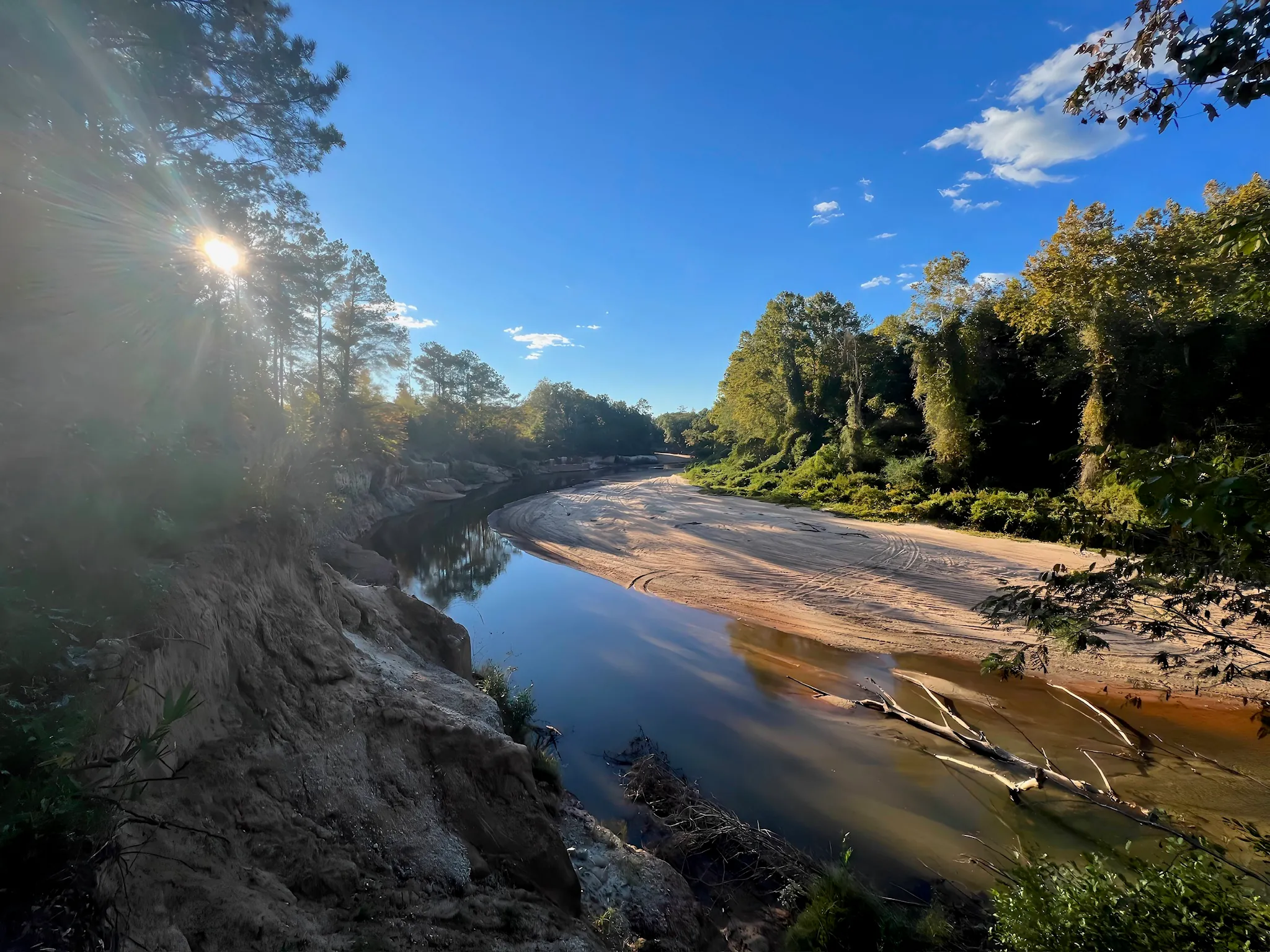
At Farmcamp, lunch can be the quiet pause between a slow morning and an afternoon by the creek or pool. A day visitor may want one packable meal and a cooler that stays in the car. Campers can keep it simple with a picnic-style lunch at the site. Guests in a cabin, glamping tent, or RV rental can choose a little more prep if food is part of the weekend ritual. The right plan is the one that gives you more time for the property and less time asking who forgot the utensils.
Start by choosing your stay type, then check the property map to get your bearings before you arrive. If you are coming for an event weekend, look at the event calendar so your food plan leaves room for the parts of the day you do not want to miss. Farmcamp is a 21+ members-only community, so new visitors should also review the first-time guide and make sure their membership is ready before booking a stay or day pass.
Frequently asked questions
What are good no-cook camping lunches?
Good no-cook camping lunches combine something filling, something fresh, and a snack you can eat without much setup. Wraps, pita pockets, cold pasta salad, bean salad, crackers with cheese, fruit, and trail mix all work well when they are packed cold and kept easy to reach.
How do you keep camping lunch food cold?
Pack perishable food in a well-insulated cooler with plenty of ice or frozen packs, keep the lid closed as much as possible, and separate drinks from food if you can. Put lunch items in one labeled bag or small container so you are not digging through the cooler every time someone wants a drink.
What food should you bring camping without a cooler?
Choose shelf-stable foods such as nut butter, tortillas, tuna or bean pouches, crackers, dried fruit, whole fruit, trail mix, oatmeal cups, and sturdy vegetables. Read labels, bring enough water, and use foods that can handle the temperature and timing of your specific trip.
How much food should I bring for a two-night camping trip?
Plan one lunch per person for each full day, plus a few flexible snacks and one backup option. The right amount depends on your group, activities, drive time, and whether you plan to eat out or buy food nearby. Keep the first trip simple, then make notes on what came home untouched.
Plan your stay
Pack a good lunch. Leave room for the rest of the day.
Choose the Farmcamp stay or day pass that fits your weekend, then keep the food plan simple enough to enjoy the woods, water, and people around you.