
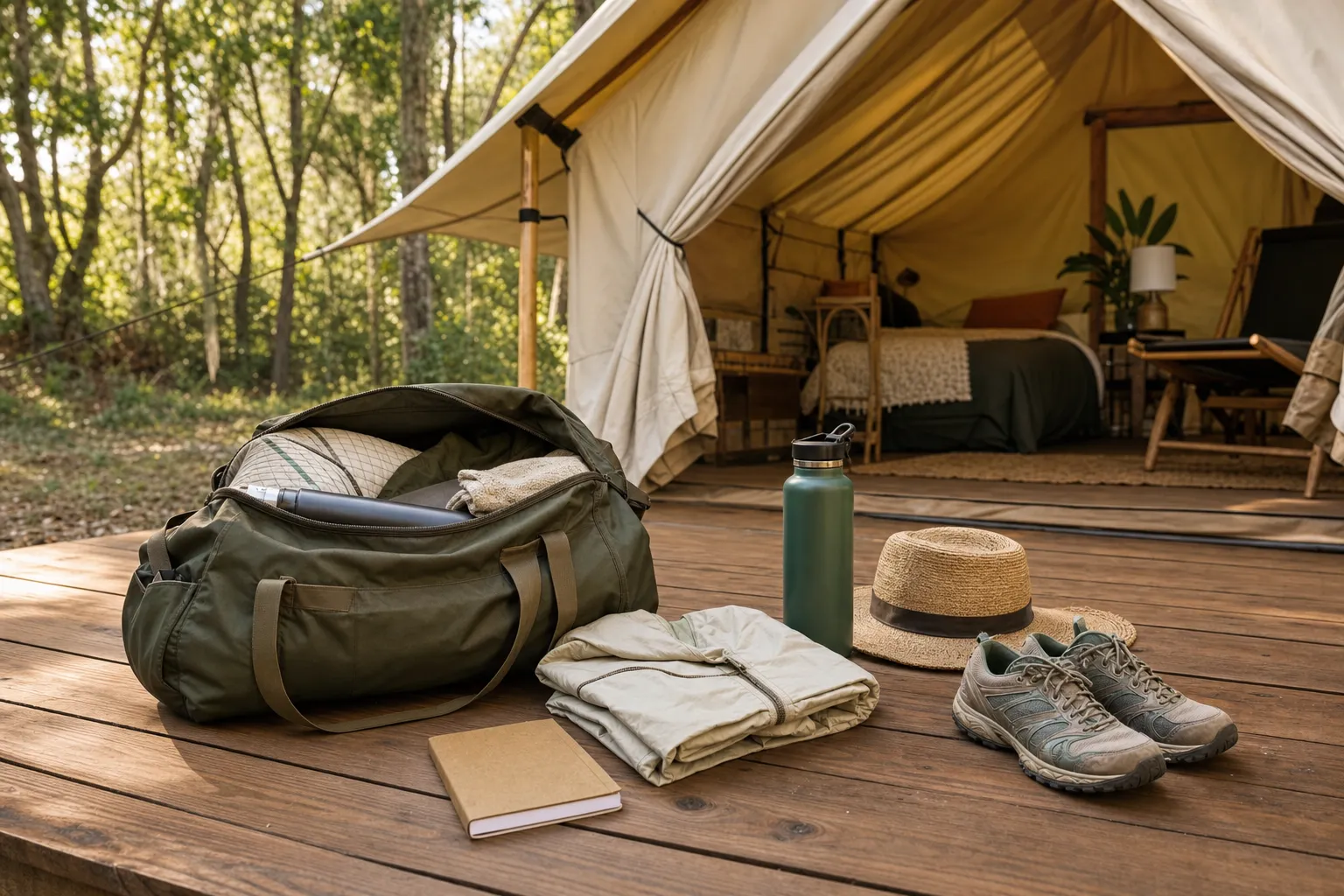
Glamping is easiest when you stop treating it like a survival test and start treating it like a weekend away that happens to have trees, fresh air, and better stories. A good first trip does not depend on owning specialty gear or building a picture-perfect campsite. It comes down to choosing the right kind of stay, knowing what is already handled, and packing around the parts of the weekend you actually want to enjoy.
These glamping tips are for the first-timer who wants a little structure without making the trip feel overplanned. Think about your sleeping setup, the weather, water time, a few plans after dark, and the people you are coming with. Once those basics are clear, you can leave the overthinking at home and show up ready to settle in.
1. Choose the stay before you choose the gear
The most useful glamping tip is also the least glamorous: read the accommodation details first. A furnished tent, cabin, or RV rental changes what you need to bring. If your stay already has a real bed, linens, seating, and easy access to the property, you can pack for comfort and plans instead of trying to recreate a campsite from scratch.
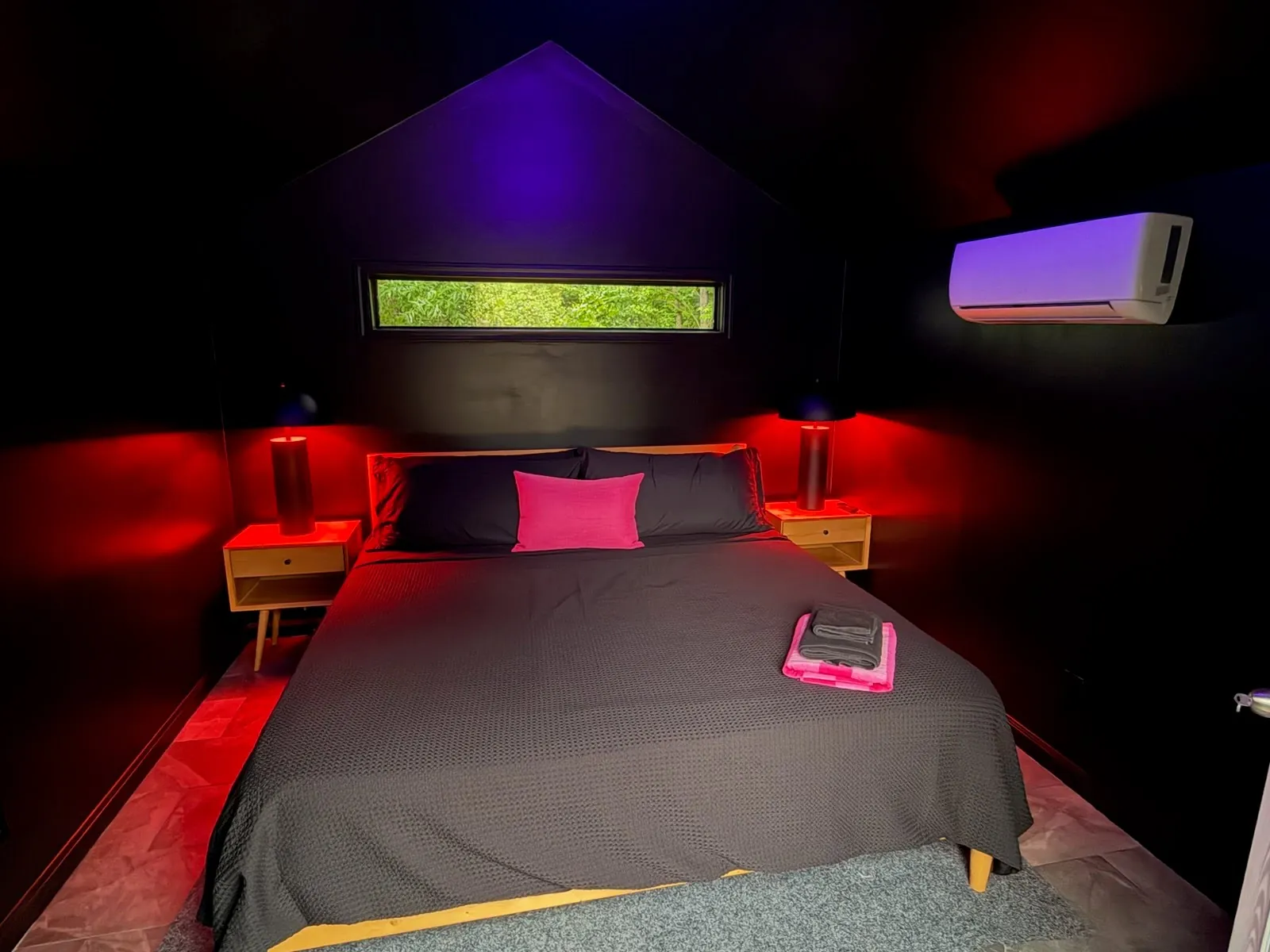
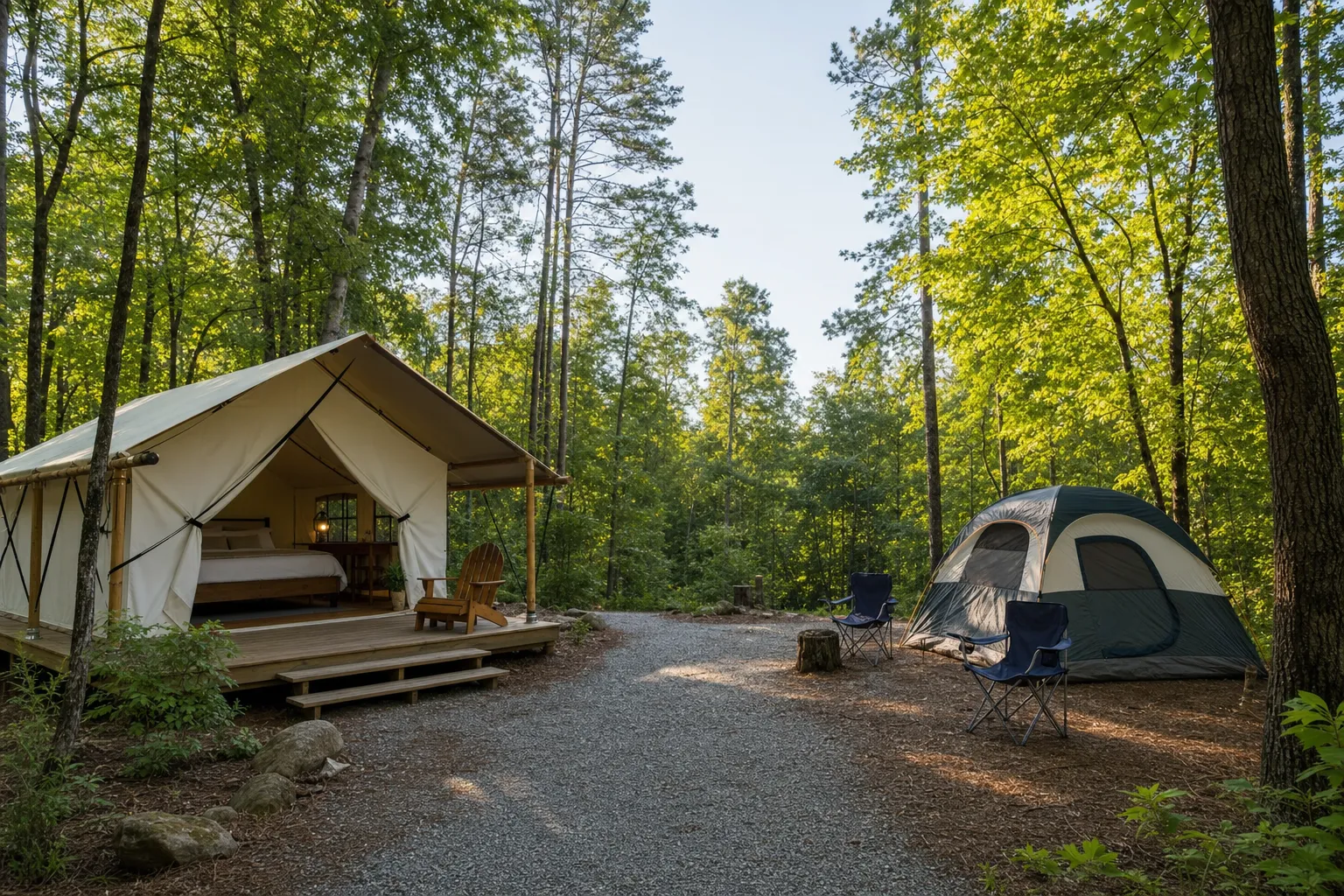
Start with the Farmcamp stay comparison. Cabins work well for guests who want a private home base. Glamping tents offer the outdoors with a furnished place to sleep. RV rentals give guests a ready-made setup, while tent and RV sites make sense when bringing your own gear is part of the fun. Pick the version that removes the friction you know you will feel, then pack only for the gaps that remain.
2. Build a 10-minute arrival plan
Arrival sets the tone. Keep the things you will need first in one easy-to-reach bag: your booking details, photo ID, membership information, phone, charger, water bottle, and anything you need before you have fully unpacked. That way, you are not digging through a duffel while your friends are already asking where the pool is.
Before you leave home, save the property map, check your route, and decide who is handling the shared essentials if you are coming with a group. A cooler, a small first-aid kit, or a speaker only needs one owner. The goal is not a color-coded itinerary. It is a smoother first hour, when you can put your bag down, look around, and start the weekend like you meant to.
3. Let the forecast change the details, not the whole trip
Check the forecast a day or two before you travel, then make one practical adjustment. For heat, bring more water, sun protection, and loose daytime clothes. For rain, add a light shell and one dry change of clothes. For a cooler night, bring a layer you will actually want to wear around a fire or on the walk back to your stay.
The National Park Service recommends water, sun protection, lightweight clothing, and regular shade breaks for time outside in hot weather. That is particularly useful on a southern summer weekend, when a little pacing makes the pool, creek, and after-dark plans much more enjoyable. You do not need to cancel fun because it is warm. You just need to avoid burning through all your energy before dinner.
4. Pack for your actual day, not every possible day
First-timers often overpack because camping and glamping sound like they require every outdoor item in the garage. They do not. Think through the version of the weekend you are likely to have: a walk on the trails, a swim, creek time, a shower, a relaxed meal, a themed event, and a late conversation by the fire. Those moments tell you what belongs in the car.
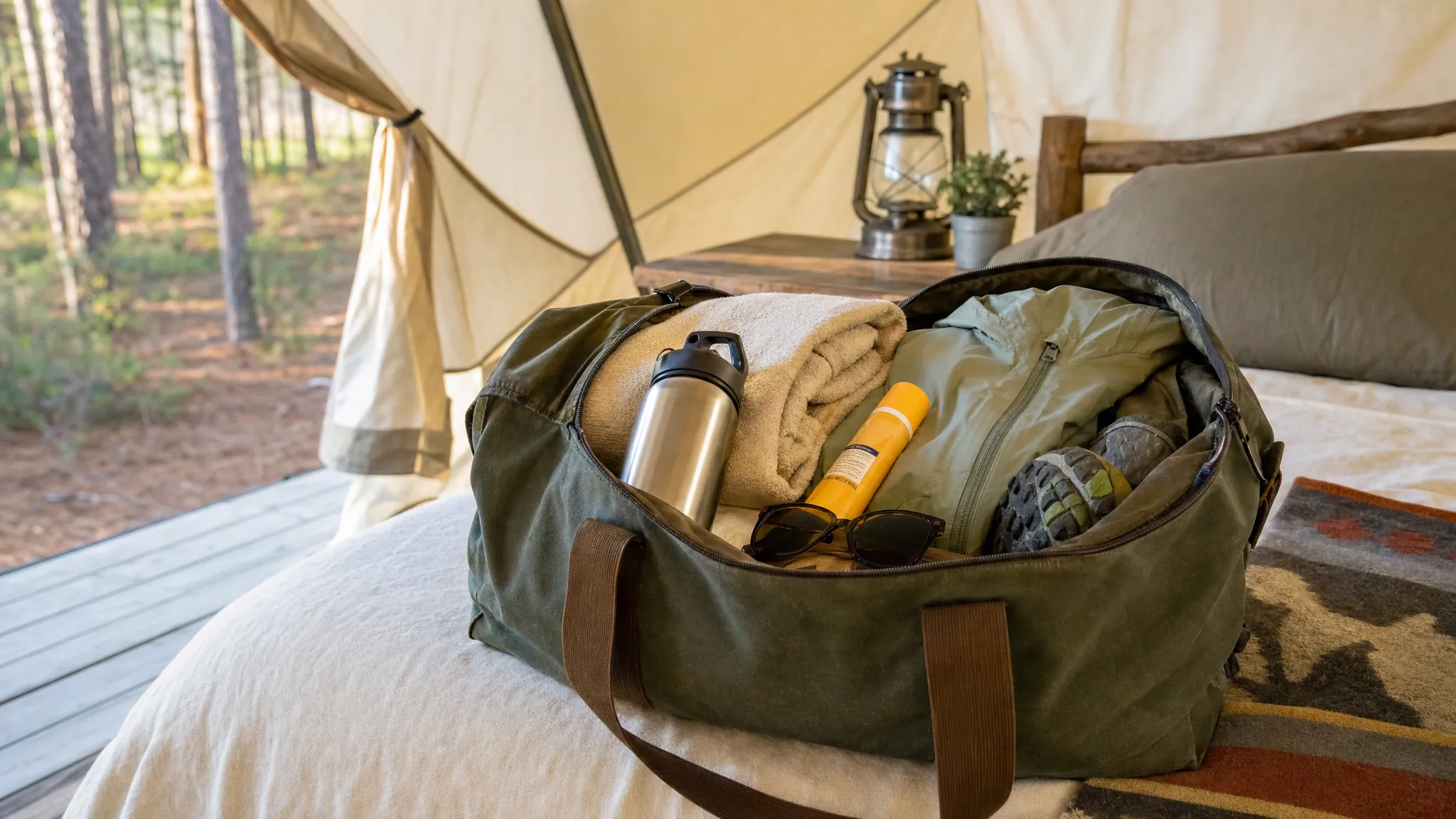
For the detailed version, use Farmcamp’s glamping packing list. It covers the practical essentials in one place, including water-ready gear, footwear, personal care, and the small evening items that make it easy to change plans. The short version is simple: comfortable clothes, swimwear, water shoes if you want creek time, sunscreen, bug spray, a light layer, and one dry backup outfit.
- One small day bag for water, sunscreen, a towel, and dry clothes
- Footwear for trails plus an easy pair for the pool, showers, and downtime
- A rain layer, even when the forecast looks mostly clear
- Chargers and a portable battery for photos, plans, and getting around
- Personal items that help you feel comfortable and ready
5. Keep your water day separate from your dry day
A packed day bag keeps water time from turning into a damp, disorganized mess. Put your towel, water bottle, sunscreen, sunglasses, sandals, and a dry shirt together before you leave your stay. If you want time by the creek, water shoes are worth the space. If you want a pool day, a cover-up or easy shirt makes the walk between activities more comfortable.
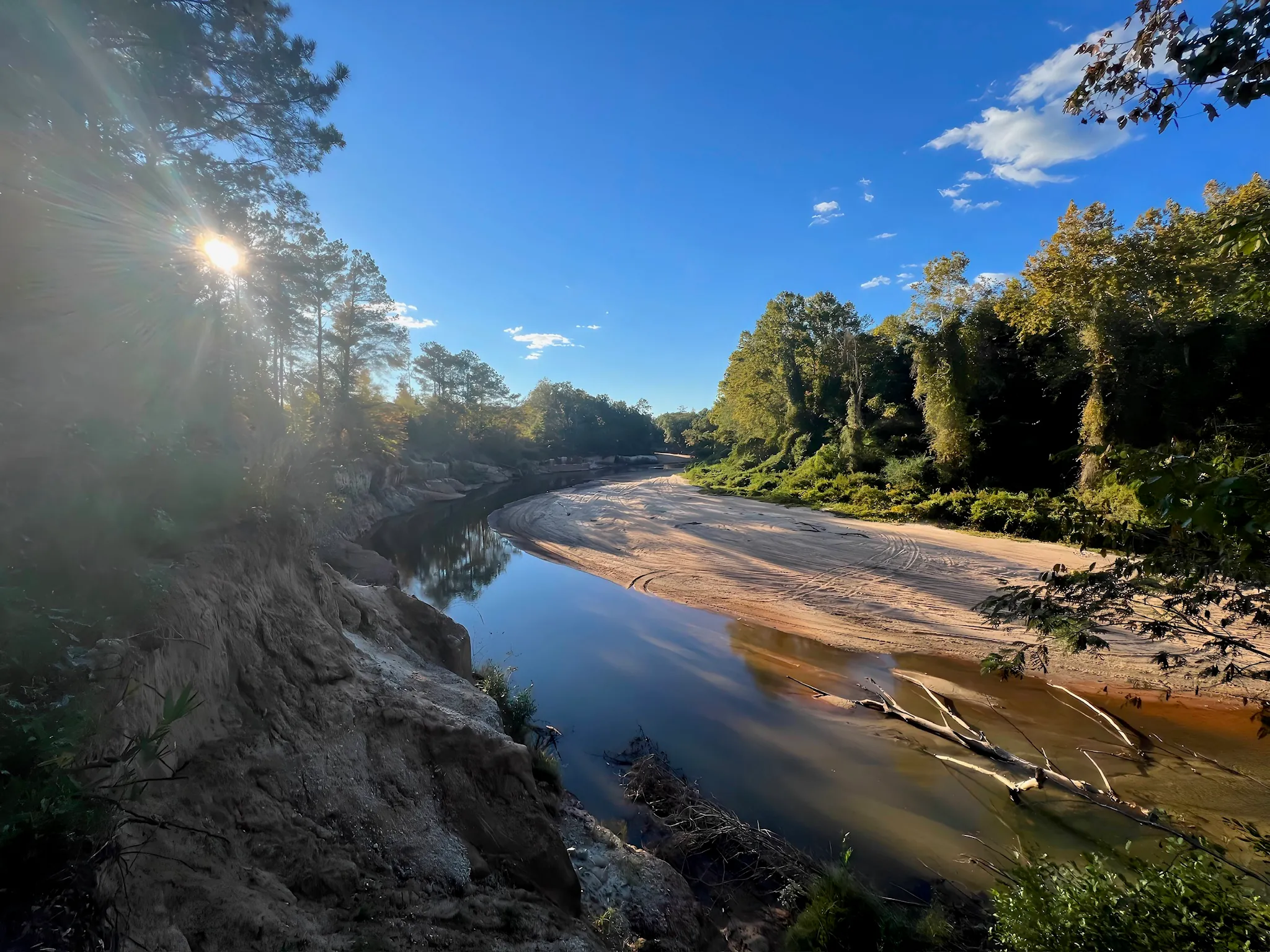
Farmcamp has creek access alongside a heated saltwater pool and spa, so the amenities page is a smart place to check before you pack. The point is not to carry a giant beach bag everywhere. It is to have the handful of things you need close by, so you can decide in the moment whether you want another hour by the water or a quiet reset before evening.
6. Plan food around energy, not perfection
Glamping food does not need to be elaborate to feel like part of a great weekend. Bring the snacks and drinks that make your group happy, but do not set yourself up for a complicated camp kitchen you will resent unpacking. A cooler with easy breakfast options, water, fruit, salty snacks, and something shareable usually goes further than a long recipe list.
Look at the event calendar before you leave, too. A themed weekend can change when you want to eat, what you want to bring, and how much downtime you will have. Good planning is giving yourself options, not locking every meal into a schedule.
7. Bring one thing that makes downtime better
The quiet hour between activities is where a trip either feels easy or oddly empty. Pack one small thing that makes that hour yours: a book, card game, portable speaker, crossword, favorite snack, or a hoodie you will be happy to throw on when the temperature drops. It does not need to be expensive or aesthetic. It just needs to give you a comfortable answer when nobody has decided what is next.
Farmcamp is built around the mix of outdoor time and community time, so leave room for both. You may spend the afternoon at the water, take a shaded walk, meet someone at the firepit, or decide that the best plan is a nap before the evening starts. The first-time guide is useful when you want a clearer picture of how the property and memberships fit together.
8. Make the after-dark transition easy
One of the best glamping tips is to pack a small evening kit. Keep a clean shirt or outfit, a light layer, a charged phone, a portable battery, and anything personal you will want after a shower in one pouch or bag. When the group suddenly wants to head to the firepit, you can get ready without turning your whole stay inside out.
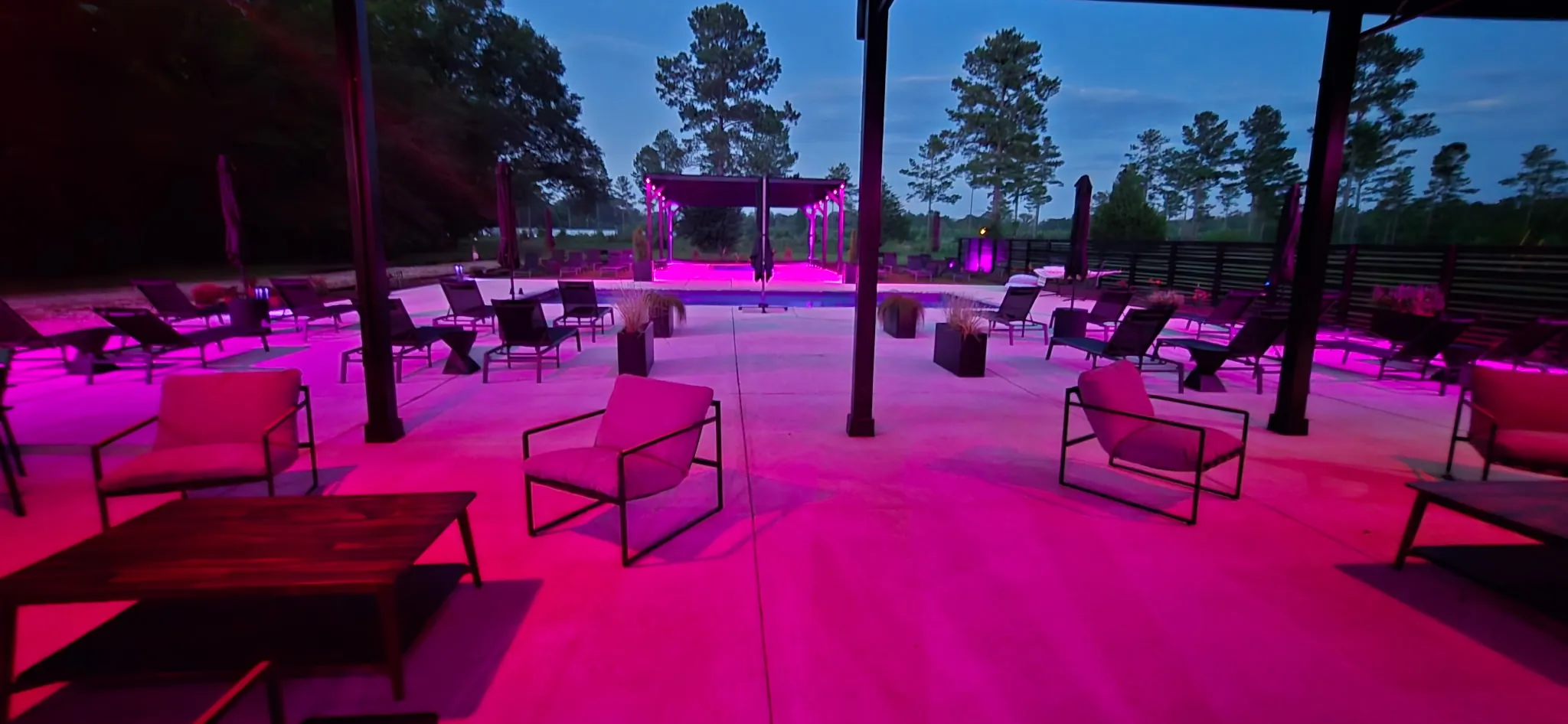
At Farmcamp, the night can move from a calm fire to music, food, or a visit to PinkBar. An easy evening kit gives you the freedom to join in, skip out, or change your mind without feeling behind. It is a tiny habit with a big payoff.
9. Agree on the group basics, then leave room for spontaneity
Friends do not need a formal planning meeting. They do need a quick conversation before the trip. Decide on arrival timing, rides, who is bringing shared items, and the one or two things everyone wants to do. That could be creek time, a pool afternoon, a themed event, or simply a slow breakfast together.
After that, let the weekend breathe. Some people will want a trail walk, some will want to float, and some will want an unreasonably long nap. Giving everyone space to choose makes a group trip better. Farmcamp is a members-only community, so make sure each guest has the right membership information before the trip begins.
10. Have a weather fallback in mind
Outdoor weekends are more relaxing when you know what you will do if the weather changes. Save local alerts, keep your phone charged, and pay attention to staff guidance. If a thunderstorm warning is issued, the National Weather Service says the best protection is a sturdy building or shelter, rather than waiting outside to see whether a storm passes.
That backup plan does not have to be dramatic. It can be a dry change of clothes, a place to regroup, a card game, or a slower afternoon until the weather clears. Planning for it once means you can stop thinking about it and get back to the weekend.
A five-minute check before you leave
Right before you walk out the door, do one final pass through the small things that are easy to forget: ID, booking details, membership information, phone, charger, water bottle, medications, and the forecast. Put those together where you can reach them without unpacking. That list is not exciting, but it is the difference between arriving calm and realizing your charger is on the kitchen counter two hours later.
Then check the details for your specific stay one more time. Know the check-in information, what the accommodation includes, and whether there is anything you need for your own setup. If you are driving with friends, send a quick message that confirms the plan and shared items. It takes less time than a coffee run and prevents the avoidable friction that can make a first outdoor weekend feel more complicated than it needs to.
After that, stop adding things. Glamping is supposed to make the outdoors more approachable. The goal is not to prove how prepared you can be. It is to bring what supports a comfortable stay, trust the plan you made, and let the weekend be a little more spontaneous once you arrive.
How Farmcamp makes a first glamping trip easier
Farmcamp is for guests who want the trees, water, and shared energy of a campground without making every detail a project. Choose a furnished stay when comfort matters, bring the personal items that fit your plans, and use the property’s pool, spa, creek, trails, PinkBar, and events to shape the kind of weekend you want.
When you are ready, compare Farmcamp stays, review the frequently asked questions, and use the booking page to start planning. The best first glamping trip is not the one with the most gear. It is the one that leaves room for you to arrive, settle in, and enjoy where the weekend goes.
Frequently asked questions
What should I know before going glamping for the first time?
Start by understanding what the stay includes, then plan for the forecast, how you will get around the property, and the parts of the weekend you care about most. A furnished stay removes much of the camping setup, but a simple plan for clothes, water, arrival, and evening comfort still makes a big difference.
Do you need camping gear for glamping?
It depends on the accommodation. A furnished glamping tent, cabin, or RV rental can cover the big pieces such as a bed and a place to settle in. Bring the personal items that fit your plans, then check the stay details before adding a tent, sleep system, or cooking gear you may not need.
How do I make a glamping trip more comfortable?
Choose a stay that matches your comfort level, pack one light layer and one rain layer, keep a day bag ready for water and sun protection, and bring a simple evening kit so you can change plans without returning to a pile of luggage. Comfort comes from reducing small hassles, not from bringing everything you own.
What is the best way to plan a glamping weekend with friends?
Agree on arrival timing, rides, the shared items that only one person needs to bring, and the one or two activities everyone wants to do. Leave the rest open. A short plan keeps people coordinated without turning a fun weekend into a rigid schedule.
Related posts
 Glamping Packing List: What to Bring for a Better WeekendA relaxed glamping weekend starts with a short, smart packing list: the right clothes, water-ready gear, comfort basics, and a few things that make the after-dark plans easier.
 Glamping vs. Camping: Which Trip Fits You?Glamping and camping can both get you outside, but the setup, comfort, gear, and pace of the weekend are different. Here is how to choose the stay that feels right for you.


Ready?
Start easy. Let the weekend open up.
Choose your Farmcamp stay, bring the few things that make you comfortable, and leave room for the plans that happen after you arrive.