
The best glamping activities are not a checklist. They are a way to give an outdoor weekend some shape without turning every hour into an assignment. One group may want a creek float and a big dinner. Another may want coffee, a slow trail walk, and an unnecessarily competitive game at the picnic table. Both count.
Start with the kind of energy you want from the trip, then choose a few easy options that fit the weather, your group, and the stay you booked. A furnished tent, cabin, or RV rental gives you a comfortable reset point, which means you can be more spontaneous about the rest. Here are twelve ideas that work for real adults, including people who want connection but do not need to be entertained every minute.
1. Take a short trail walk before the day gets busy
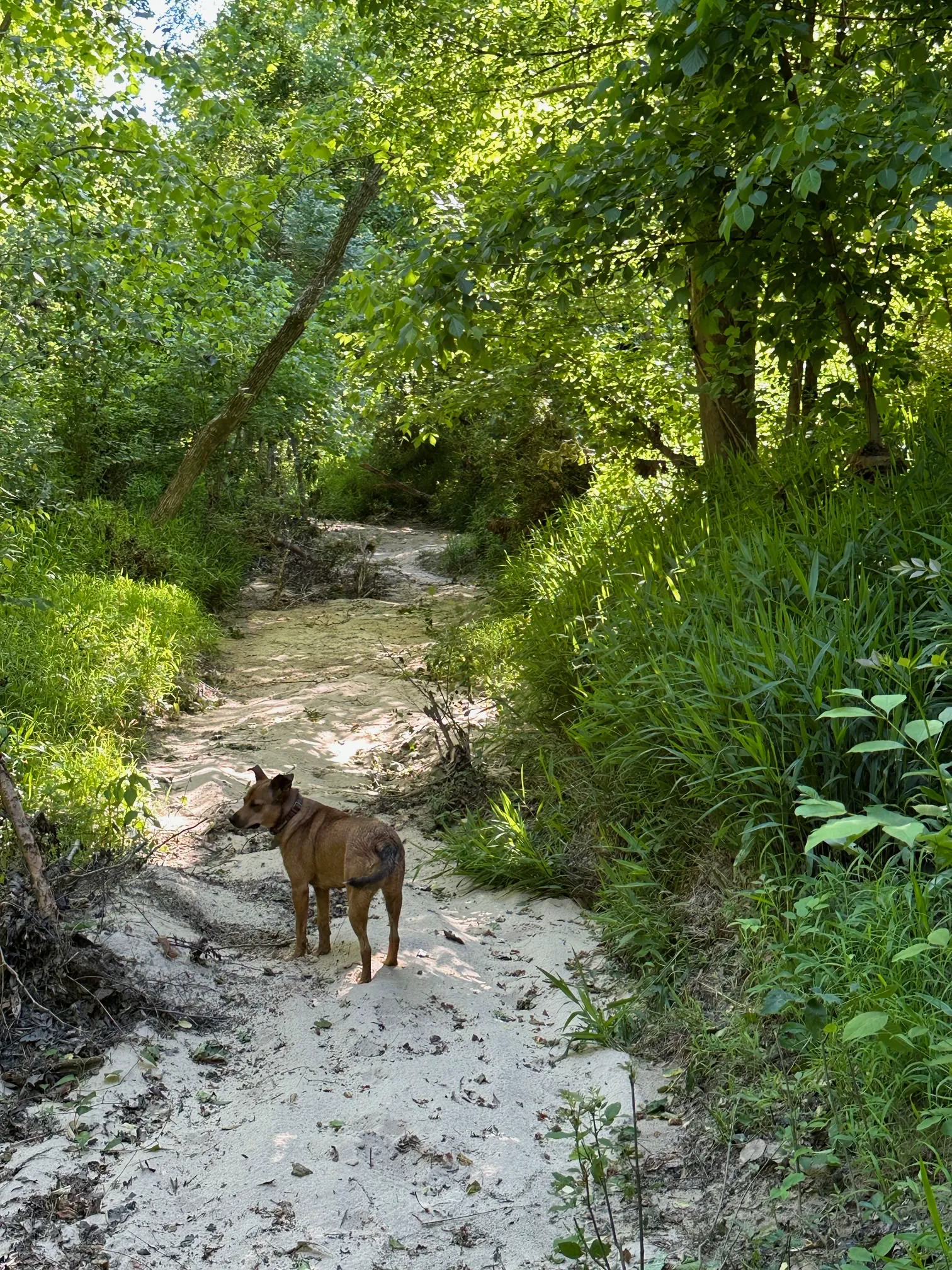
A trail walk is the easiest way to arrive in the weekend. Keep it short enough that nobody needs a complicated plan, wear shoes that can handle uneven ground, and bring water even if the walk is more of a wander than a hike. The point is to notice that you have left the usual routine behind.
At Farmcamp, the trails give you a simple change of pace before pool time, creek time, or an event. Use the property map to get oriented, then pick a route that suits the time you actually have. A twenty-minute loop is more likely to happen than a grand plan everyone keeps postponing.
2. Build an unhurried creek or pool afternoon
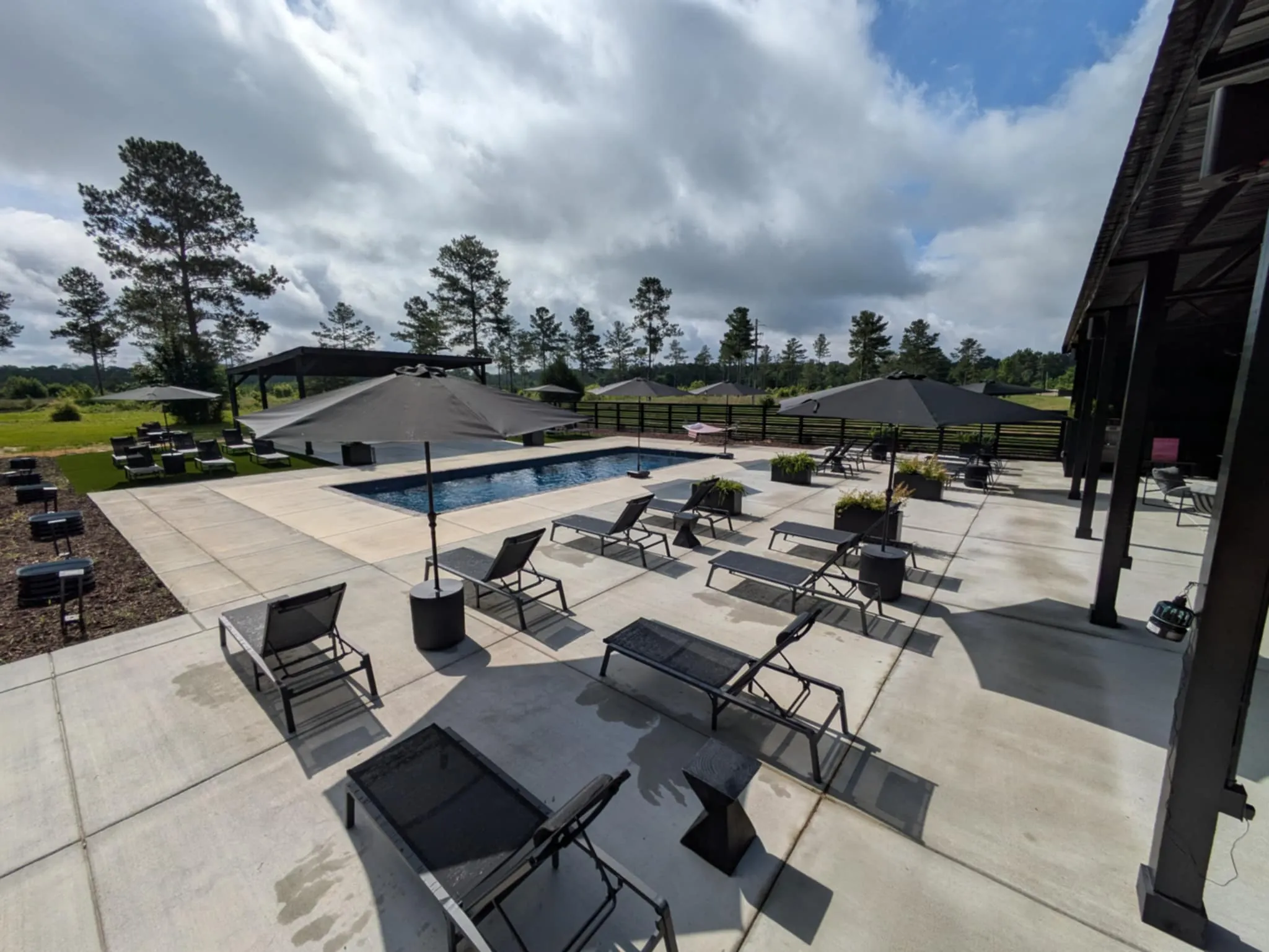
Water time does not need a schedule. Put the useful things in one bag: a towel, water, sunscreen, sunglasses, dry clothes, and footwear that makes sense for the creek. Then let the afternoon stay open. Some people will want to float, some will want to sit in the shade, and someone will inevitably decide this is the perfect time for a nap.
The amenities guide makes it easier to picture the options before you pack. Farmcamp has creek access alongside a heated saltwater pool and spa, so a flexible water day can be as active or as lazy as the group wants. Bring enough water and sun protection to make the choice feel easy.
3. Try a campfire game that needs no gear
A no-gear game is the best answer when the fire is going, people are still getting to know each other, and nobody wants to dig through bags for rules. Two Truths and a Lie works for a small group because it creates stories without needing a winner. Twenty Questions works when only two people are still awake. A quick round of categories, where each person names something in a chosen category until someone repeats or stalls, is easy to join late.
Keep the goal light. A campfire game is a conversation starter, not an audition for the loudest person at the table. Give people an easy way to pass, skip personal prompts, and change games when the moment has run its course. That makes the activity welcoming for newcomers and regulars alike.
4. Bring one compact table game
Cards and dice earn their space because they work through a little wind, an early sunset, and a change in plans. Pick something you can explain in two minutes. A standard deck handles rummy, hearts, gin, or a made-up game your group has played forever. Six dice can carry Farkle or a simple highest-score round. A small notepad helps with scores but is not essential.
Choose a game that matches your people. A competitive group may want teams and a running score. A mixed group may do better with a game people can enter and leave between rounds. The best camping game is the one that still feels fun when someone has to refill a drink, take a phone call, or head back for a hoodie.

5. Make a low-stakes campfire challenge
For a bigger group, create three short rounds instead of one sprawling activity. Try a five-minute music-guessing round with everyone keeping the volume considerate, a round of campfire trivia where the questions are about the group, and a round where teams invent the most dramatic name for a future campsite. The prize can be deciding the next game or choosing tomorrow's breakfast, not something that turns the night into a tournament.
Stay inside the campsite or designated gathering area, especially after dark. The National Park Service’s campfire guidance is a good reminder to keep flammable gear well away from the fire and to follow site rules and changing conditions. If a fire is not available, move the same game to the table or cabin porch. The fun should not depend on one perfect setup.
6. Plan one shared meal, not a full cooking project
A shared meal can be an activity when it stays simple. Give one person vegetables, one person the grill or skillet, and one person the job of keeping the table clear. Or choose something mostly prepared at home, then warm and serve it when everyone is hungry. The goal is a meal that brings people together, not a long recipe that keeps half the group working while the other half waits.
Decide before leaving which meal is meant to feel special and which one is simply fuel. A first-night dinner might be sandwiches, bowls, or foil packets that come together fast. The slower meal can happen after everyone has found their way around, showered, and settled in. Put the ingredients for the first meal near the top of the cooler, and bring serving tools that do not require a scavenger hunt. Those small choices keep the cook from becoming the person missing the weekend.
If cooking is part of your plan, Farmcamp’s two-day camping meal plan and easy camping dinners can help you keep the shopping and cooler space realistic. Leave room for an easy backup, because a late arrival or a full event schedule is not a cooking failure.
7. Create a small photo walk
Choose a loose prompt, then take a twenty-minute walk: best texture, best color, something that looks like a movie set, or one photo that captures the weekend without showing a face. This gives people something to notice without forcing anyone to pose. It also works when a group includes both people who want to move and people who would rather keep the pace gentle.
Respect other guests' space while you do it. Keep cameras aimed at your own group and the scenery, and ask before sharing a photo that makes someone identifiable. A small photo walk should leave you with a few honest memories, not turn a campground into a set.
8. Take a slow reset between plans
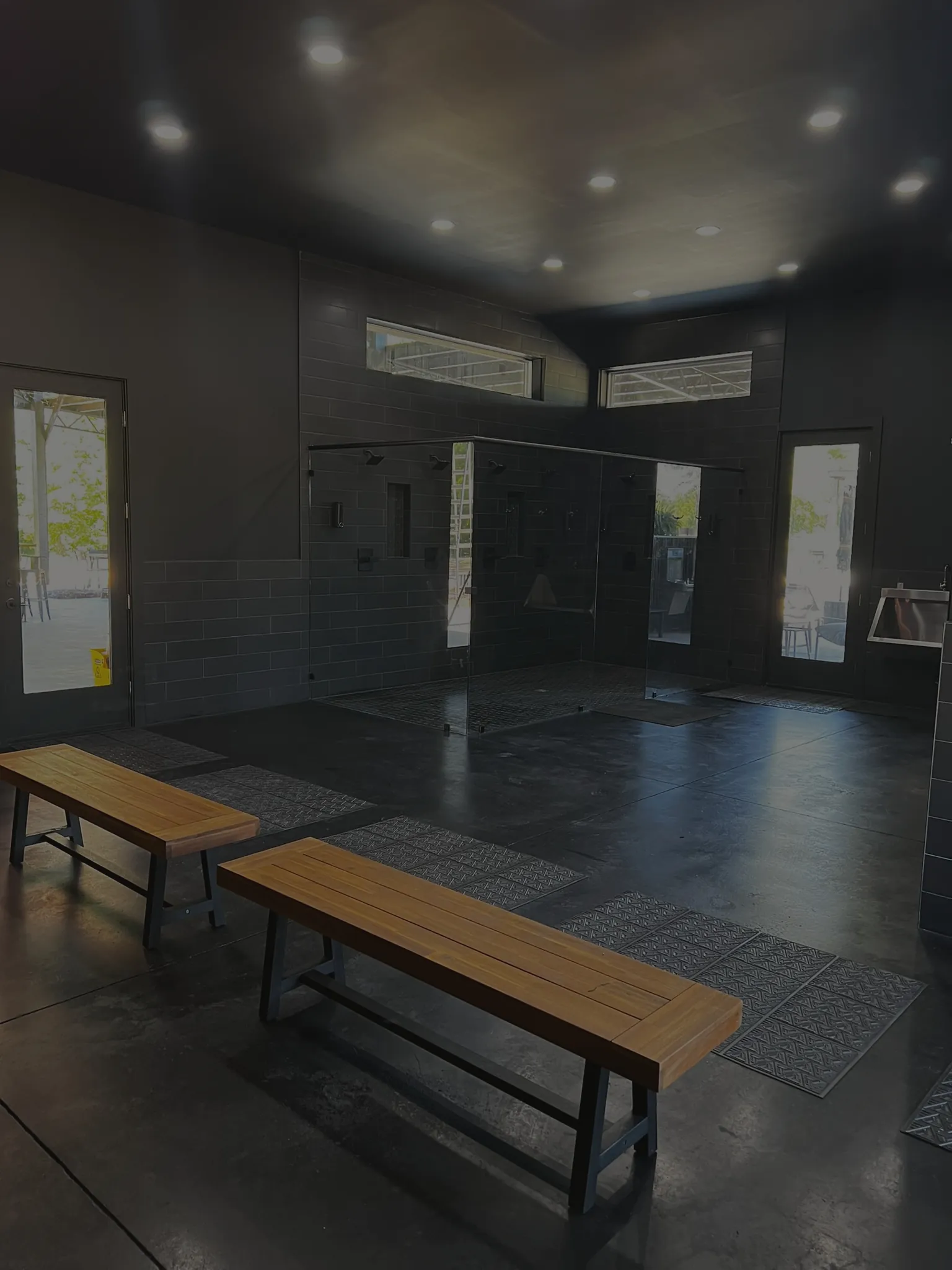
Not every activity has to look active. A real outdoor weekend needs a quiet gap: reading in a chair, taking a shower, stretching, writing a postcard, listening to the woods, or closing your eyes for twenty minutes before dinner. This is especially useful on a social weekend, when having a place to step back makes it easier to enjoy the time you do spend together.
Choose the stay type that gives you the reset you want. A cabin, furnished glamping tent, RV rental, or campsite each changes how you take a breather. The right setup is not the fanciest one. It is the one that makes the pace of the weekend feel comfortable.
9. Check the event calendar, then leave room for surprise
A themed weekend can be the anchor of the trip, whether that means music, a social gathering, a pool afternoon, or something you would not have planned at home. Look at the event calendar before packing so you know what is happening and can bring the one thing that helps you take part. Then leave time around it to settle in, eat, or change your mind.
The calendar is useful because it gives a group a shared option without forcing every person into the same plan. Pick the part you are excited about, make a simple meeting point, and let the rest of the weekend stay flexible.
10. Host an easy conversation round
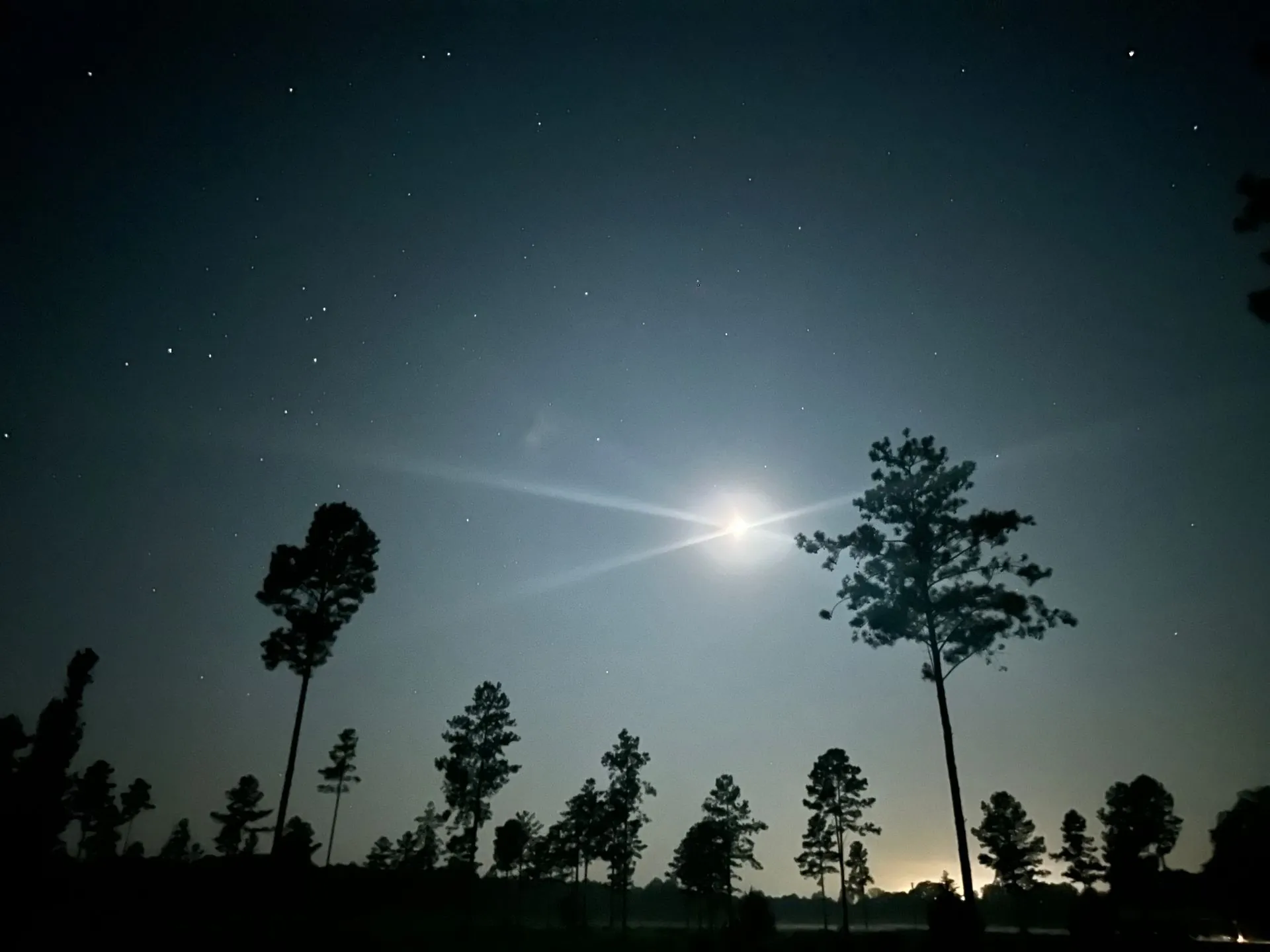
When people want to connect but are tired of surface-level small talk, use a prompt that lets everyone answer at their own depth. Ask about a small luxury they always pack, a place that made them feel welcome, a meal they remember, or a hobby they would try if they had more time. Keep the questions optional, and do not make anyone explain an answer they would rather leave alone.
This works particularly well at the start of a trip or around a late-night fire. It lets people find common ground without pretending a meaningful conversation has to be serious. Sometimes the best answer is still an argument about the ideal road-trip snack.
11. Make tomorrow easier before you turn in
Ten minutes of practical prep can protect the next day. Put water bottles in the cooler, set out towels if you are headed toward the creek, choose a breakfast plan, plug in the phone battery, and put the day bag by the door. It is not glamorous, but it keeps the first hour from becoming a search party for sunscreen and dry socks.
Add a tiny weather backup to that routine. A light layer, a rain shell, and a dry pair of socks take almost no planning, but they keep a cool evening or quick shower from ending the outdoor part of the day. If the forecast changes, swap the trail walk for a card game, make the shared meal earlier, or save the water activity for tomorrow. A flexible plan feels more relaxed because it gives the group an obvious next move.
For first-time guests, the first-time guide covers the practical pieces that are worth knowing before arrival. Once those basics are handled, it is easier to be spontaneous because nobody is trying to solve every little question in the moment.
12. Let the weekend have an ending
Before everyone leaves, pick one small closing ritual: a final coffee, a short walk, a group photo if everyone wants one, or a quick vote on the moment that made the trip. It gives the weekend a sense of completion without adding another obligation. More importantly, it often reveals what your group should repeat next time and what can stay at home.
Farmcamp is built for people who want both the outdoors and the social side of getting away. If you are still choosing your first visit, browse the stay options, look over the property map, and check availability when you are ready. Bring one or two good ideas, then let the woods, water, and people around you do the rest.
Frequently asked questions
What activities can adults do while glamping?
A good glamping weekend can include water time, a trail walk, a campfire conversation, a simple game, a shared meal, a themed event, or simply an unhurried stretch of downtime. The best choice depends on the group, weather, and energy, not on filling every hour.
What should I bring for glamping activities?
Bring a small day bag with water, sun protection, a towel, a dry layer, comfortable shoes, and one compact game or conversation prompt. Add anything specific to the activity you genuinely plan to do, rather than packing equipment for every possible version of the weekend.
How do I plan a glamping weekend with friends?
Choose one anchor activity for each day, agree on arrival and meal basics, and leave the rest flexible. That gives everyone a shared plan without making the trip feel like a schedule they have to keep up with.
Are campfire games good for adults?
Yes. The best adult campfire games are easy to explain, do not need much gear, and let people join or step away without stopping everyone else. Conversation games, cards, dice, and low-key team games are usually better than anything that needs a long setup.
Related posts
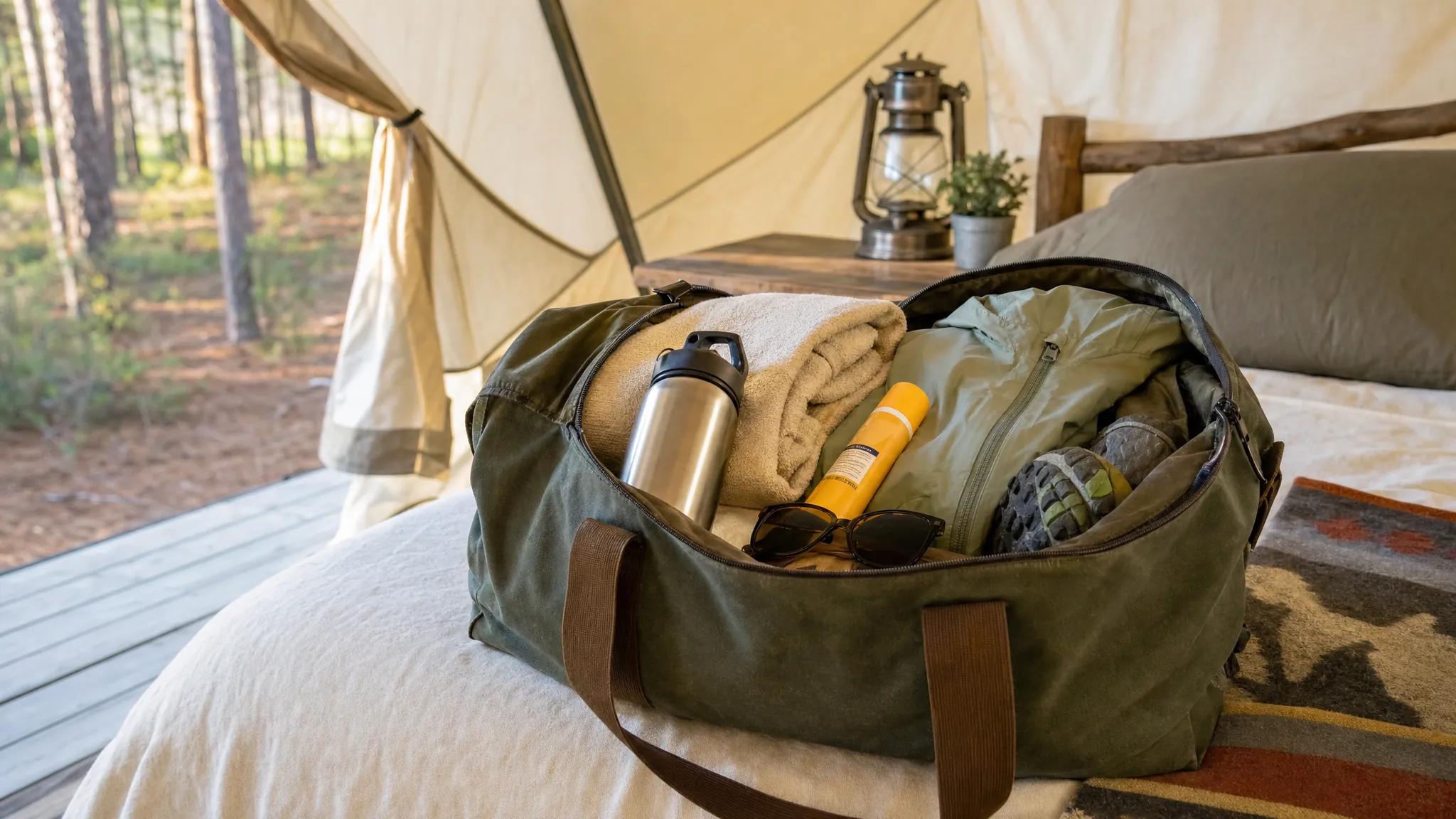 Glamping Packing List: What to Bring for a Better WeekendA relaxed glamping weekend starts with a short, smart packing list: the right clothes, water-ready gear, comfort basics, and a few things that make the after-dark plans easier.
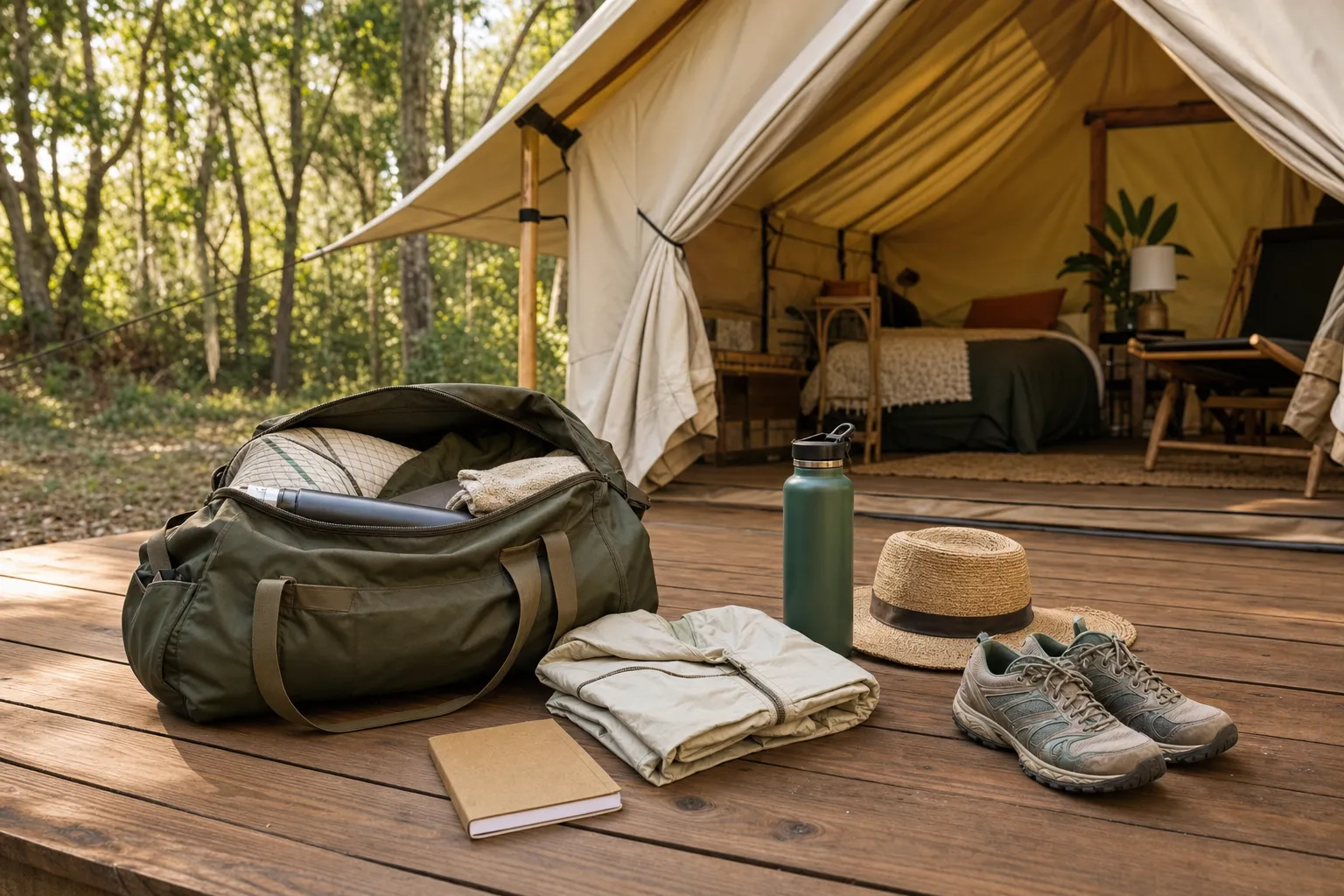 Glamping Tips for a Better First WeekendFrom choosing the right stay to building an easy arrival plan, these glamping tips help first-timers spend less energy figuring things out and more time enjoying the weekend.
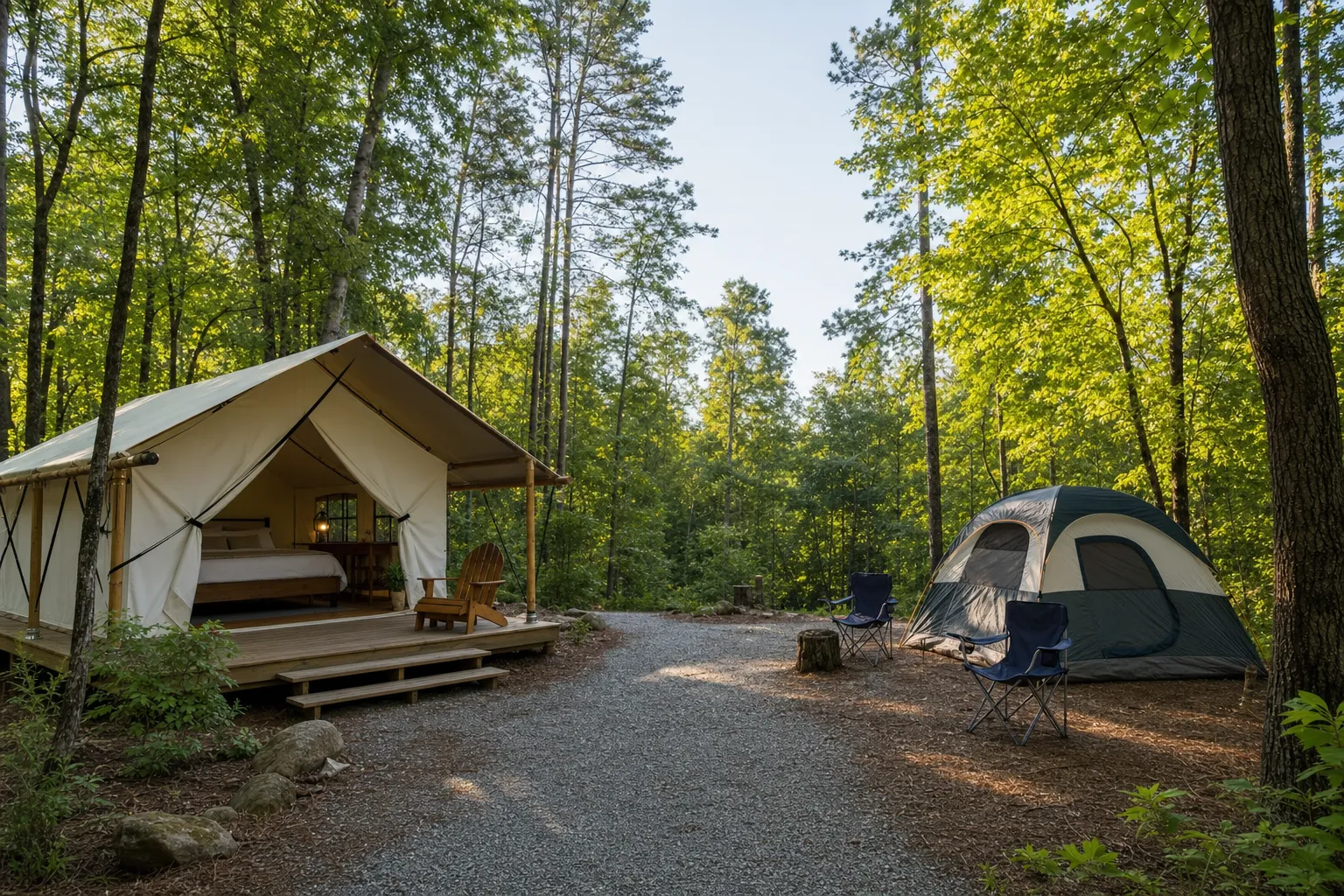 Glamping vs. Camping: Which Trip Fits You?Glamping and camping can both get you outside, but the setup, comfort, gear, and pace of the weekend are different. Here is how to choose the stay that feels right for you.


Plan your stay
Bring the good ideas. Leave room for the rest.
Choose a Farmcamp stay, pack a few simple activities, and give the weekend room to become its own story.