
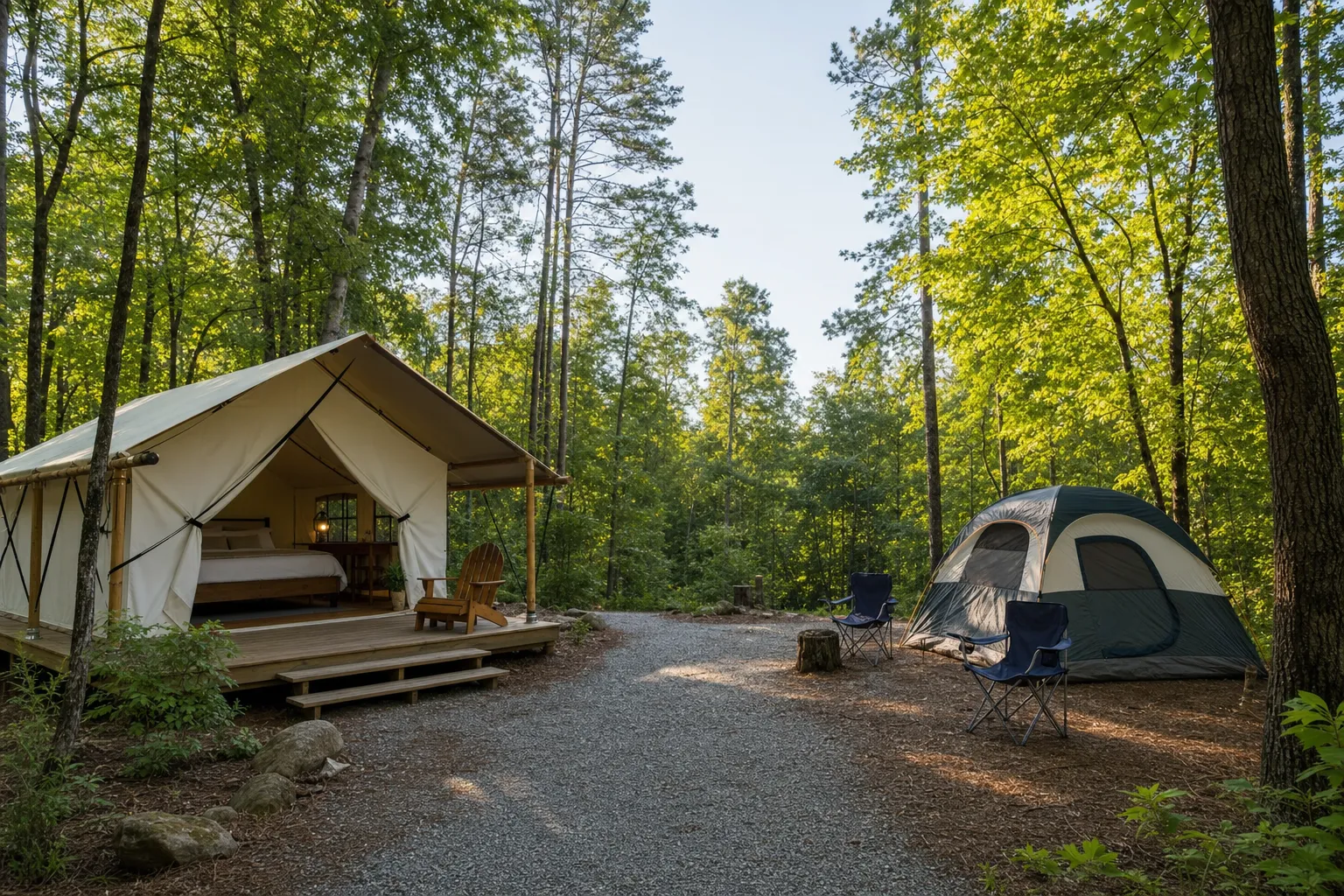
Glamping and camping both promise fresh air, slower mornings, and a reason to spend more time outside. The difference is how much of the trip is waiting for you when you arrive. With camping, you bring the sleeping setup, build your site, and make more of the comfort decisions yourself. With glamping, the big pieces are often already handled, so you can put your energy into the water, the trails, the people you came with, or a long, unplanned evening.
There is no moral prize for choosing the more rugged option. The better choice is the one that fits the weekend you actually want. A person who loves setting up a tent may find glamping too polished. A person who wants a first outdoor trip to feel easy may find traditional camping turns arrival into a project. Use this guide to decide based on comfort, gear, cost, weather, and the way you want to spend your time.
The simple difference between glamping and camping
Camping means you create more of your own basecamp. Depending on the site, that can include a tent, sleeping pads or cots, bedding or sleeping bags, lights, coolers, seating, a camp stove, and a plan for keeping everything dry if the weather shifts. Some campers love that process because the site feels personal, flexible, and earned. Others would rather get to the good part sooner.
Glamping keeps the outdoor setting but reduces the setup. A furnished tent, cabin, or RV rental may give you a real bed, a more settled interior, and a place to return to after a swim, hike, or late night. You still pack for the weather, bring your personal things, and pay attention to property details. You simply do not need to build your sleeping space from scratch when you get there.
The National Park Service's camping guidance is useful for either choice: check the site rules and forecast before you leave, then bring the basics that match the trip. Glamping changes the amount of gear, not the common sense.
Choose glamping when comfort protects the fun
Glamping is a strong choice when the outdoor setting matters more to you than the camp setup. Maybe you want a real bed after a pool day. Maybe you are coming from a long drive and do not want to pitch a tent in the dark. Maybe your group has different experience levels, and you want everyone to feel comfortable saying yes to the trip. Those are practical reasons, not signs that you are doing the outdoors wrong.
It also works well when the weekend has more than one gear. You might want to spend the afternoon by the water, take a shower, change clothes, have dinner, and join an event without managing a wet tent or a pile of bins. A defined place to recharge makes it easier to be spontaneous outside of it.
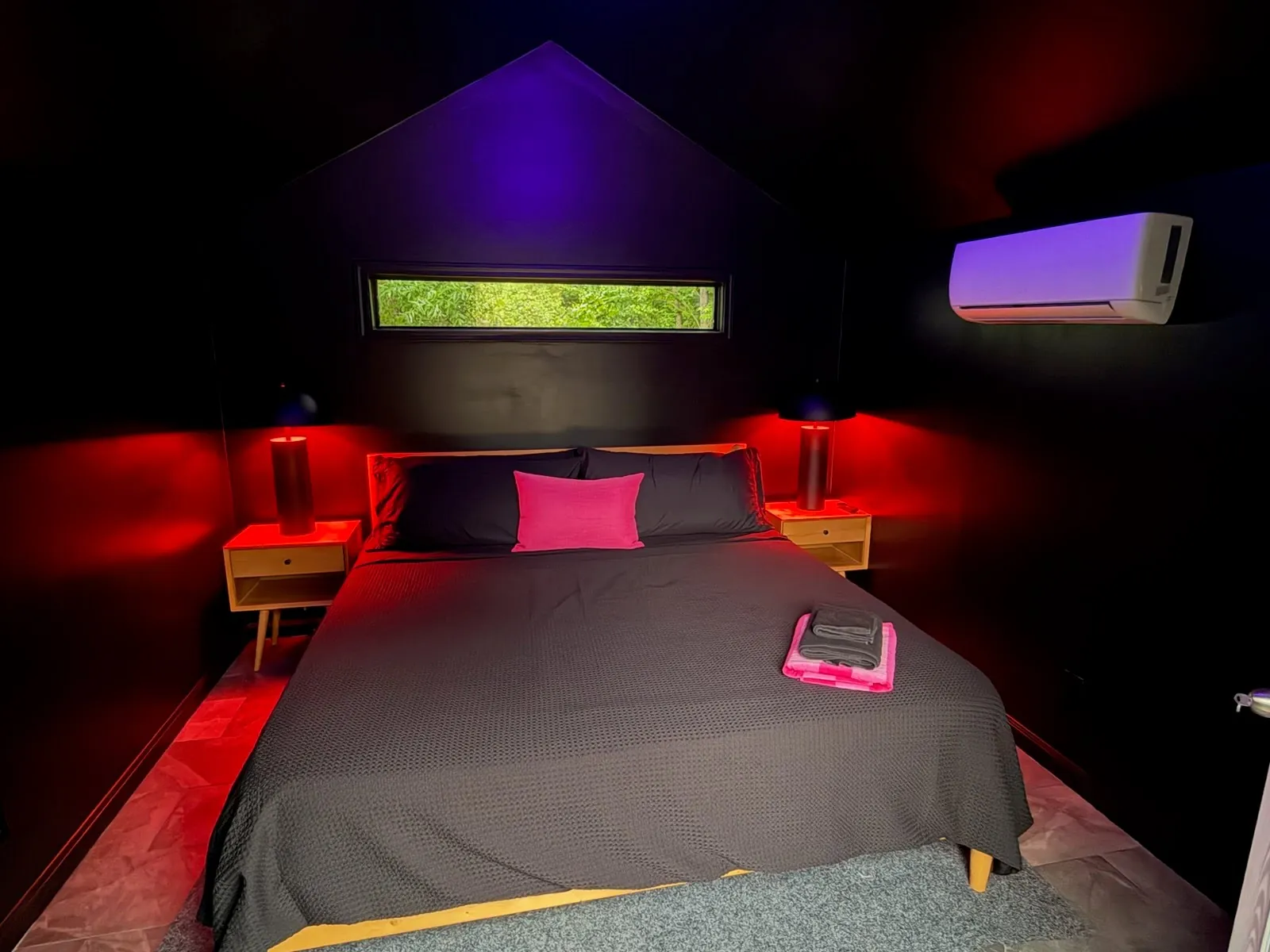
At Farmcamp, a cabin stay, glamping tent, or RV rental can give you that ready-made home base. Compare the stay options before you decide, because the right level of comfort is personal. Some guests want four walls and privacy. Others want canvas, trees, and a bed waiting inside.
Choose camping when the setup is part of the reward
Camping is the better fit when you enjoy being hands-on with your space. Bringing your own tent, figuring out the best place for chairs, setting up lights, and making a simple meal can be the whole rhythm of the trip. It can also be a good value when you already own gear and use it often. A familiar tent and a well-packed car can make a site feel like your own small world.
Camping gives you more control, but that control comes with a little more responsibility. You need to know how your tent handles rain, where your sleeping gear is, how you will keep food and essentials organized, and what happens when you arrive later than expected. Beginners can absolutely do it. The smartest first trip is just one that stays simple enough to enjoy.
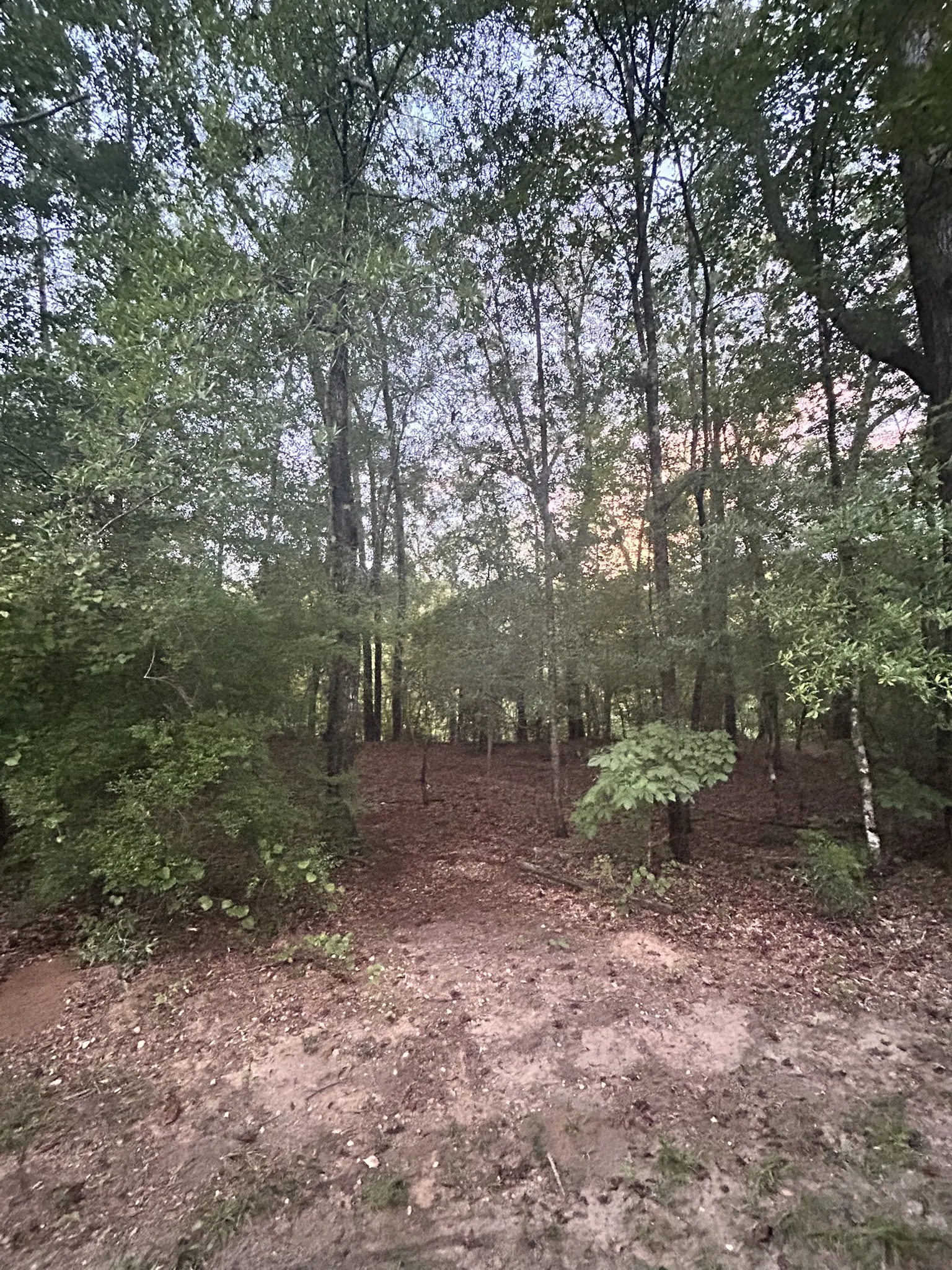
Farmcamp has premium and primitive tent sites for guests who want to bring their own gear, along with RV options for people who prefer their own rolling setup. The property map helps you picture the shared spaces, trails, water, and amenities around your site before the wheels are rolling.
Compare the gear before you compare the mood
Gear is the clearest practical difference. A camping list is longer because your site needs to work for sleeping, sitting, cooking, lighting, and weather changes. A glamping list is shorter because the accommodation usually covers some of those jobs. Before you buy anything, check what is actually included in the stay. That prevents the classic first-timer mistake of bringing a tent, sleeping bag, kitchen, and furniture to a trip that already has a furnished place to sleep.
For camping, think through the pieces that create a comfortable night: shelter, sleep system, ground cover, lighting, clothing layers, water, food storage, toiletries, and a dry backup. Set up unfamiliar gear once at home if you can. Learning how a tent works in the driveway is much more relaxing than learning during a rain shower with friends waiting on dinner.
For glamping, start with the Farmcamp glamping packing list, then scale back what the stay already covers. You will still want clothes that work in heat, water-ready gear, a light rain layer, medications, chargers, and the personal items that make a weekend feel like yours. The goal is not to pack nothing. It is to pack only what has a job.
- Camping: plan for shelter, sleep, lighting, food, seating, and weather protection.
- Glamping: plan for personal comfort, weather, activities, and the details the accommodation does not provide.
- Either way: bring water, sun protection, dry layers, medications, a charged phone, and your booking details.
Picture the first hour after you arrive
The first hour tells you a lot about which style suits you. With a typical camping trip, you check in, find the site, unload the car, choose where the tent goes, set it up, sort the sleep gear, and start arranging the things you will need before dark. That can feel satisfying when you know your equipment and enjoy the ritual. It can feel like a lot when you have been driving for hours, the forecast is threatening rain, or half the group would rather be in the water already.
With glamping, the first hour is more likely to be about unpacking a bag, getting familiar with the space, and deciding what happens next. You may still need to make the bed feel like yours, put drinks in a cooler, or figure out who gets which side of the room. But you are not creating shelter at the same moment you are trying to shift into vacation mode. That difference matters most for short stays, late arrivals, and groups where everyone has a different tolerance for logistics.
Neither arrival is automatically better. The question is whether the setup is part of the story you want to tell about the weekend. If the answer is yes, camping can be exactly right. If the answer is no, a furnished stay can buy back the most limited part of the trip: your time together after you get there.
Sleep, bathrooms, and meals are the real comfort test
Most people do not choose between glamping and camping because of the word itself. They choose based on whether they can sleep, clean up, and eat in a way that feels good. Camping can be deeply comfortable when your gear is dialed in. A quality pad, a dry tent, the right temperature layers, and a simple routine can make a tent night feel peaceful. But each of those pieces is something you need to bring, know, and maintain.
Glamping is usually easier for people who want a more dependable sleep setup. A furnished tent, cabin, or RV rental can give you a mattress, more weather protection, a place to keep clothes organized, and a softer landing at the end of a full day. That does not mean every glamping stay is identical. Read the accommodation details closely. “Glamping” can describe everything from a dressed-up tent to a private cabin, so the included comforts matter more than the label.
Bathrooms and food deserve the same honesty. Some campers prefer the routine of a shared bathhouse and simple camp meals. Others want a more private bathroom arrangement, a kitchen, or the ability to shower and change without coordinating around a tent. Farmcamp's amenities page explains the shared comforts available around the property, including showers, the pool, spa, and PinkBar. Use it to choose a stay that supports the kind of morning and evening you actually want.
For food, keep the plan lighter than you think. Campers can make great meals, but a complicated menu turns one person into the unpaid kitchen crew. Glampers can also overdo it by packing groceries for a kitchen they barely use. Pick a few easy breakfasts, water, snacks, one shared meal plan, and one option for the moment when nobody wants to cook. The best outdoor food plan is usually the one that leaves everyone enough energy to sit down and enjoy it.
Cost is more than the nightly rate
Traditional camping can have the lower nightly price, especially when you already have equipment. But a first trip sometimes turns cheap lodging into an expensive shopping list. A tent, sleep system, camp chairs, lights, cooler, basic cooking gear, and rain protection add up quickly if you are buying everything at once. Borrowing or renting can make sense when you are testing whether you like the experience.
Glamping generally costs more upfront because you are paying for the setup, furnishings, and ease. That can still be good value when it saves you from buying gear you will use only once, or when the difference means your whole group can enjoy the weekend instead of worrying about who sleeps on the lumpy pad. Neither choice wins in every budget. The useful question is what you will actually use after this trip.
At Farmcamp, the stay comparison lists the real options, while membership information explains the access that applies to your visit. Look at the full plan, not just the bed for the night: the type of stay, the people joining you, the activities you care about, and whether you would rather spend more time setting up or more time settled in.
Weather changes each experience in a different way
Rain, heat, and cooler nights do not make a trip impossible. They simply raise the value of preparation. Camping asks more from your shelter and your setup. You want a tent you understand, a way to keep bedding dry, enough ventilation for warm weather, and a plan for muddy shoes or damp towels. Glamping gives you more protection from those small frictions, but it does not remove the need to check the forecast or bring layers.
For hot days, the National Park Service recommends water, shade breaks, and sun protection. For thunderstorms, follow staff direction and take weather alerts seriously. The National Weather Service advises getting inside a substantial building or a hard-topped vehicle when thunder is nearby. The point is not to build a scary backup plan. It is to know your safe next move before you need it.
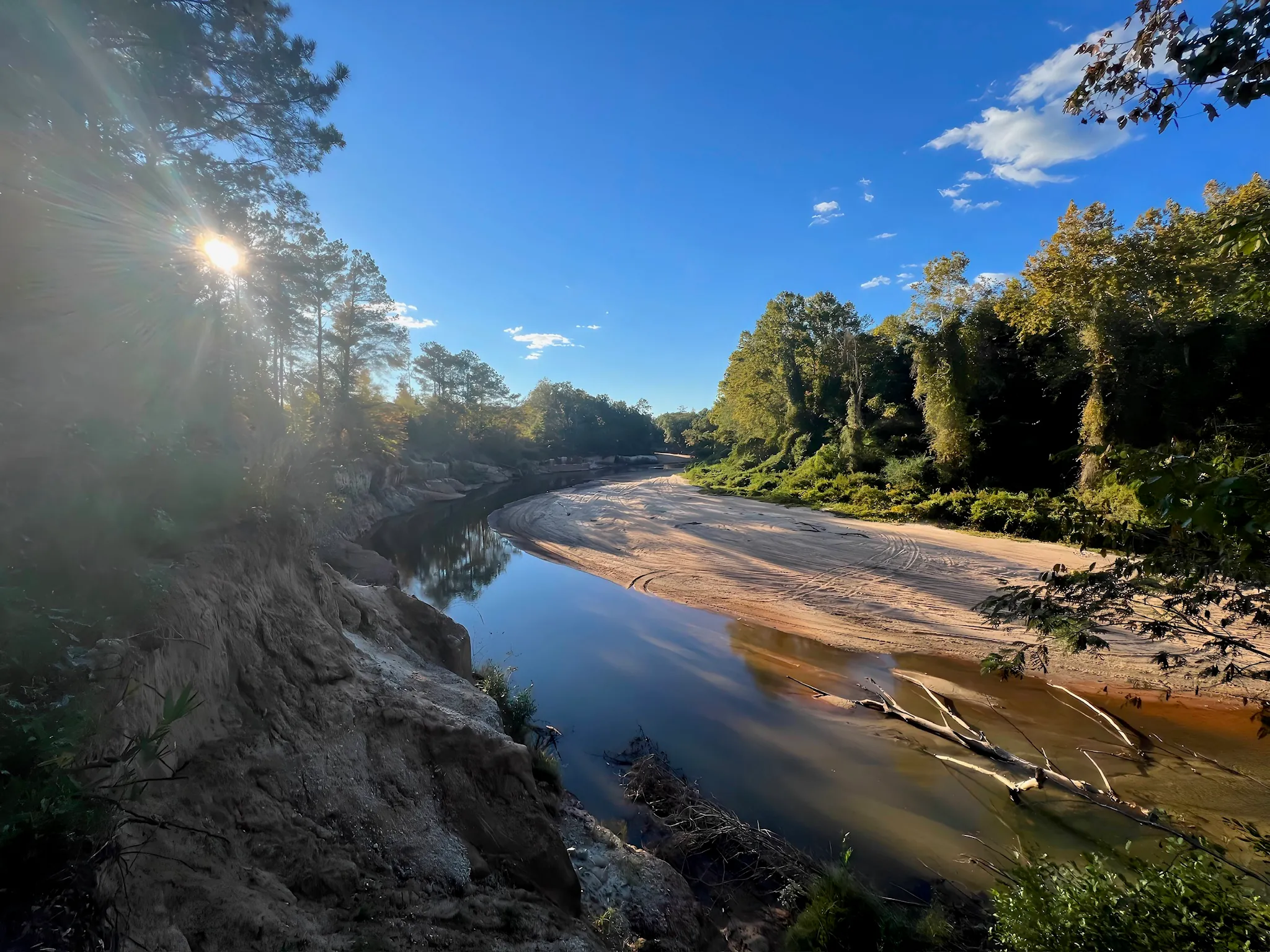
Farmcamp's creek, pool, spa, showers, and shared spaces give both campers and glampers options when they need to cool down, clean up, or change the pace of the day. Pack one dry change of clothes and a weather layer, then let the forecast shape the details instead of taking over the trip.
Think about your group, not just your own comfort
A group trip gets easier when the least experienced person is still genuinely excited to come. That does not mean everyone needs the same stay type. It means you should be honest about what helps each person relax. One friend may love waking up in a tent. Another may be happy to hike, float, and sit by the fire, but sleep better with a mattress and a door. If the second person has to spend the whole weekend proving they are fine, nobody gets the easy version of the trip.
Glamping is often the diplomatic choice for a mixed group because it takes a few setup tasks off the list. Camping can be a great shared project when everyone knows what they are signing up for. A quick conversation before booking is enough: who is bringing gear, who wants privacy, who is driving, what time is everyone arriving, and which activity is the one thing nobody wants to miss?
Farmcamp is an adults-only, members-only community, so make sure everyone has the right first-time visitor information and understands the common stay questions before the trip. That keeps the welcome smooth and lets the group focus on each other once they arrive.
A quick decision checklist before you book
If you are still stuck, do not make the decision bigger than it needs to be. Answer these questions honestly. Do you already own camping gear you enjoy using? Will you arrive with enough daylight to set up without rushing? Does everyone in the group want the same level of comfort? Are you coming for a quiet reset, a water day, a themed weekend, or a mix of all of it? Does the forecast make a ready-made room feel more valuable? The answers usually point to the right option.
- Choose camping when you own or can borrow reliable gear, want to build your own site, and are happy to trade setup time for a simpler basecamp.
- Choose glamping when you value a ready place to sleep, want to pack lighter, are new to outdoor stays, or want more of the schedule free for the property and your group.
- Choose a cabin or RV rental when privacy, air conditioning, an indoor reset, or a more settled overnight space is the deciding factor.
- Choose a premium tent site when you want to bring your own gear but appreciate a few practical comforts around the stay.
There is also no rule that says you must choose the same thing forever. A first glamping trip can help you learn what you want from camping next time. A regular camper can book a cabin for a birthday weekend, a long drive, or a trip where the group wants more comfort. The point is to match the accommodation to this trip, not to build a permanent identity around it.
Use the weekend you want to choose the stay
Choose glamping when you want a lower-lift outdoor trip, a comfortable place to sleep, or a home base that makes a social weekend easier. It is especially good for first-timers, couples, mixed-experience groups, and anyone who wants to arrive ready for the property instead of ready for a setup job. Choose camping when you already enjoy your gear, want a simple site, or feel most relaxed after you have built your own little corner of the woods.
You can also split the difference. A premium tent site can keep you close to the classic camping experience with a few useful comforts. An RV rental gives you a ready-made stay without needing to own an RV. A cabin can be the right answer when privacy, air conditioning, and a more settled interior matter most. There is room for more than two kinds of outdoor weekend.
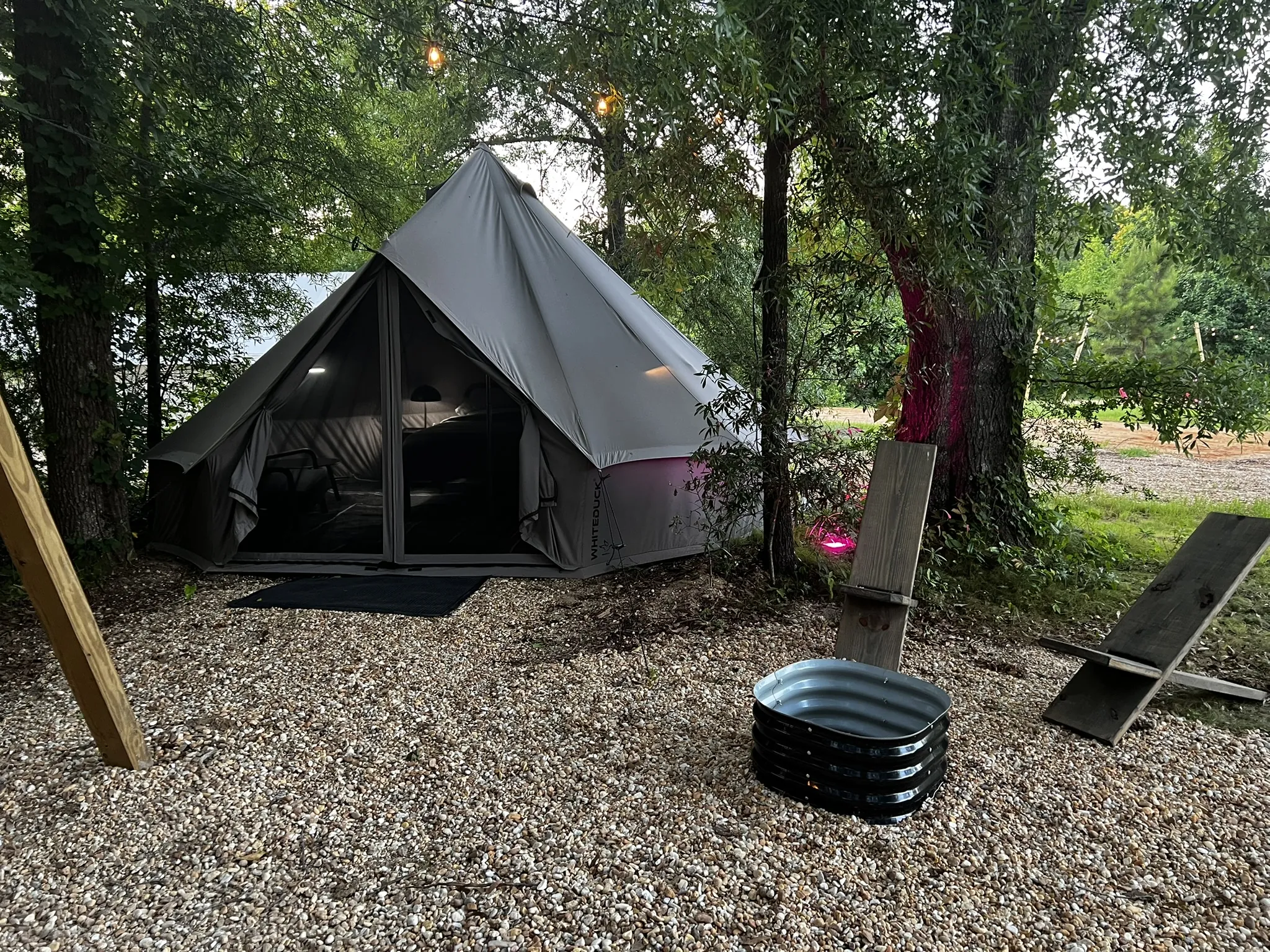
When you are choosing, start with the full Farmcamp stay guide, then look at the event calendar and PinkBar if the social side of the weekend matters to you. The right stay is the one that leaves you with enough energy to enjoy what you came for.
Your first outdoor stay does not need to be a test
There is a lot of advice that treats an outdoor trip like a capability exam. It tells people to buy more gear, learn every knot, cook a complicated meal over a fire, and be ready for every possible weather scenario. Most first-time guests do not need that. They need a trip that is simple enough to feel manageable and interesting enough to make them want to come back.
If that means a furnished glamping tent and a short packing list, that is a good first trip. If it means borrowing a tent, choosing a straightforward site, and learning a few basics with friends, that is a good first trip too. Start with the version that feels exciting rather than intimidating. Once you know which parts you loved, you can add more gear, try a different stay, or plan a longer weekend with much more confidence.
Farmcamp's first-time guide can help you sort the practical details before you arrive. Leave room for the part no checklist can plan: the afternoon that runs long by the creek, the conversation after dinner, the decision to skip an activity because a quiet hour under the trees sounds better. That is usually the part people remember.
How Farmcamp makes either kind of weekend easier
Farmcamp is designed for guests who want nature, water, and shared energy without having to choose one narrow version of camping. You can bring your own tent and make a simple site, arrive in an RV, or choose a furnished stay that lets you travel lighter. Whichever direction you take, the creek, pool, spa, trails, showers, PinkBar, and event weekends are there to shape the time around your stay.
Start with the level of comfort that makes you want to say yes to the trip. Then make the rest of the plan smaller: one water-day bag, one weather layer, one evening outfit, and one or two things you are excited to do together. When you are ready, use the booking page to plan the version of Farmcamp that fits you.
Frequently asked questions
Is glamping better than camping?
Neither is better for every trip. Glamping is usually the better fit when you want an easier arrival, a furnished place to sleep, and more time for the people and activities around you. Camping is a better fit when setting up your own site, using your own gear, and keeping the stay simple is part of the fun.
Do you need to bring bedding for glamping?
It depends on the specific accommodation. A furnished glamping tent, cabin, or RV rental may already include a bed and other comfort basics. Check the stay details before you pack so you do not haul a full sleep system you will not use.
Is glamping more expensive than camping?
Glamping usually costs more for the stay itself because the setup, furnishings, and comfort are included. Camping can be less expensive night to night when you already own gear, but first-time campers should also consider the cost of buying or borrowing a tent, sleep setup, lights, cooking items, and other basics.
Can beginners go camping instead of glamping?
Absolutely. A beginner camping trip is easiest when the site, weather, and gear plan are simple. Choose a manageable stay, test unfamiliar gear before you leave, bring a weather backup, and avoid turning the first trip into a long list of complicated meals or activities.
What is the easiest way to choose between glamping and camping?
Start with the part of the weekend you care about most. Choose glamping when comfort and low setup matter most. Choose camping when bringing your own gear and building your site are part of the experience. Then check what the accommodation includes, the forecast, the group plan, and the property amenities before you book.
Related posts
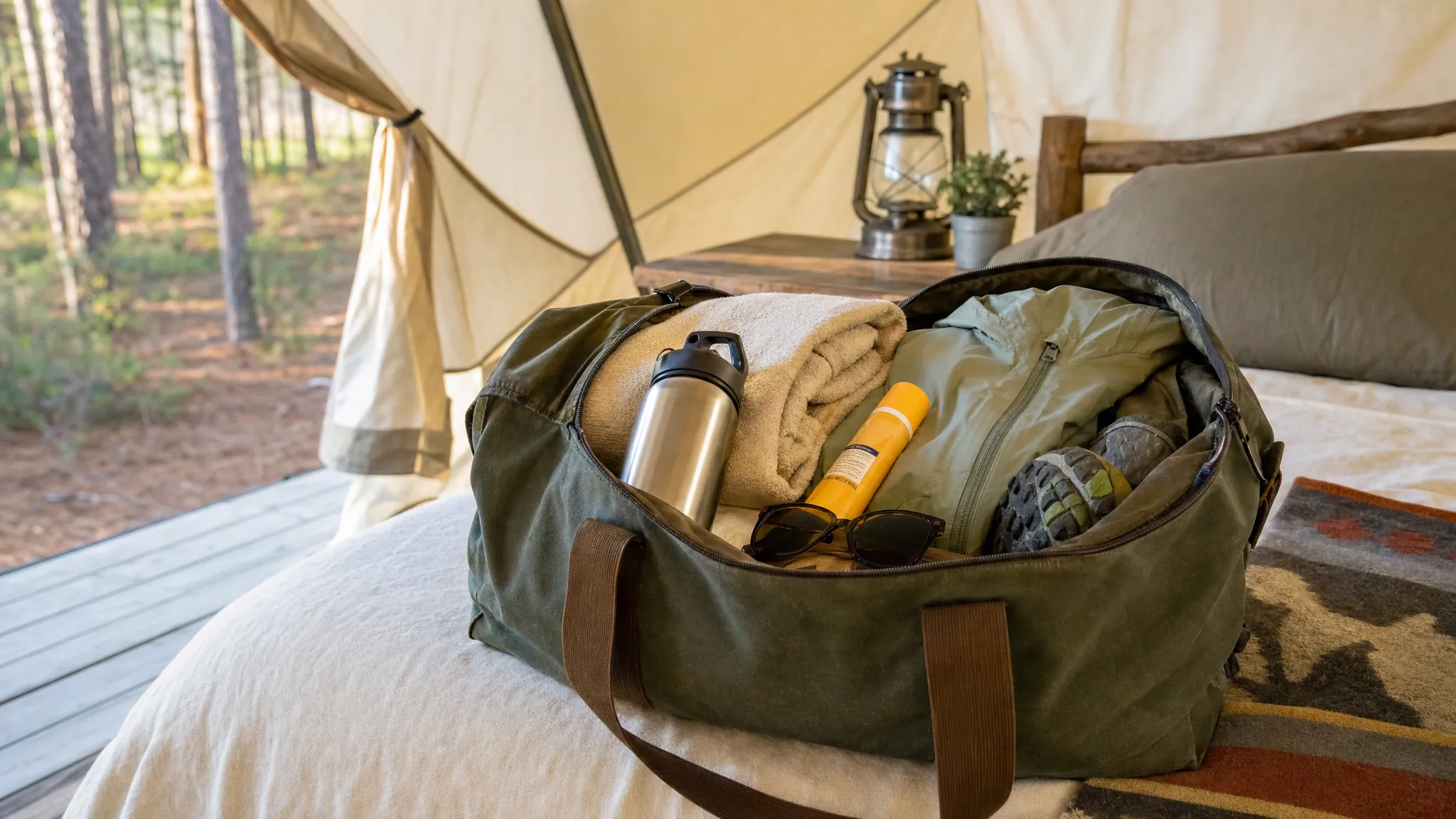 Glamping Packing List: What to Bring for a Better WeekendA relaxed glamping weekend starts with a short, smart packing list: the right clothes, water-ready gear, comfort basics, and a few things that make the after-dark plans easier.
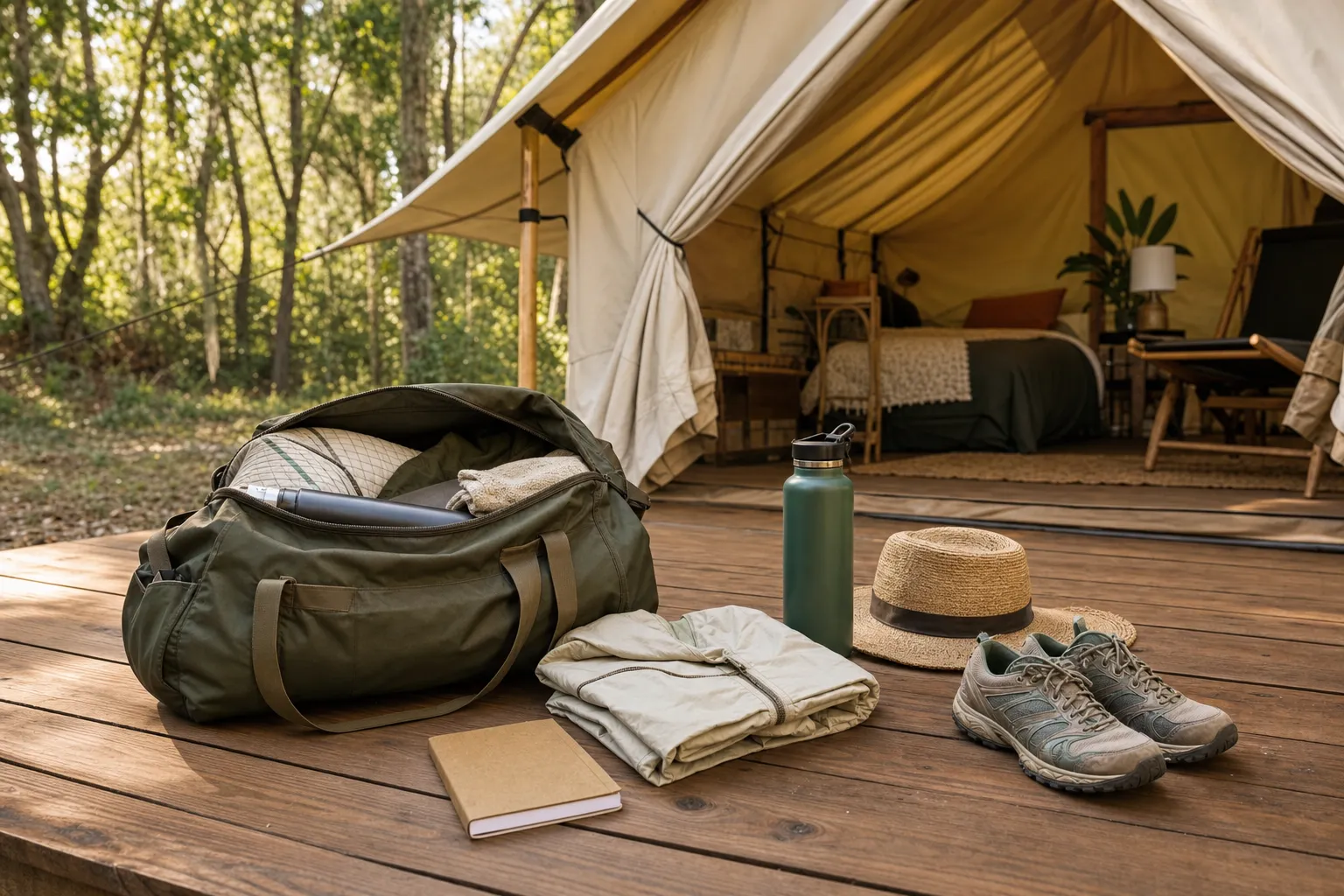 Glamping Tips for a Better First WeekendFrom choosing the right stay to building an easy arrival plan, these glamping tips help first-timers spend less energy figuring things out and more time enjoying the weekend.


Choose your weekend
Bring your own setup, or arrive ready to settle in.
Compare Farmcamp stays, pick the comfort level that fits your plans, and make room for the water, woods, and people that brought you here.