

Glamping does not have one universal price because it is not one universal kind of trip. A furnished canvas tent for one quiet night, a cabin for a long weekend, and a social campground stay with friends all ask for a different budget. The useful question is not just, “What is the nightly rate?” It is, “What am I getting for the money, and what else will I need to enjoy the weekend?”
For a first outdoor getaway, that difference matters. A low campsite rate can still lead to a big shopping list if you need to buy a tent, sleep system, cooler, chairs, lights, and rain gear. Glamping generally costs more for the night because the space is already prepared. In return, you can travel lighter, sleep on a real bed, and put more of your limited weekend toward the creek, pool, trails, friends, or a slow morning outside.
This guide breaks down the costs that actually shape a glamping budget, where it makes sense to save, and how to compare a prepared stay with bringing your own gear. The goal is not to squeeze every dollar out of a weekend. It is to spend on the parts that will make you happy you went.
Start with the kind of stay you want
The biggest number in a glamping budget is usually the stay itself. That makes sense, because it covers the part of the trip that would otherwise require the most planning: a place to sleep, a protected place for your things, and a home base when you are done being outside for the day.
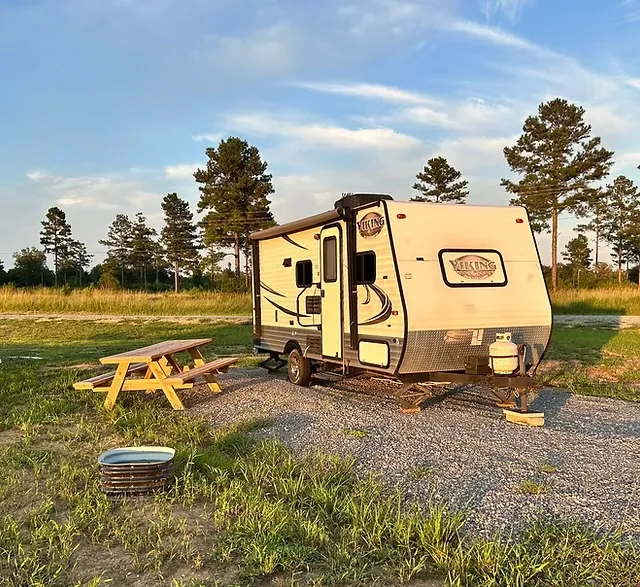
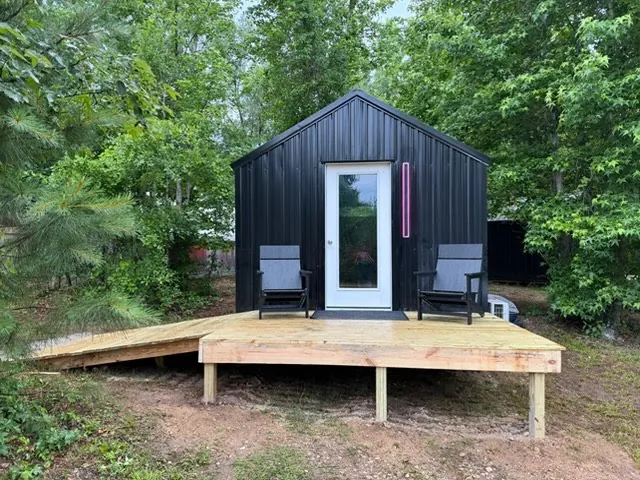
A prepared tent usually lands between basic camping and a cabin. It keeps you close to the woods while skipping much of the setup. A cabin generally costs more because you are paying for more indoor privacy and comfort. An RV rental can sit in its own range because the vehicle, layout, and included features vary. Traditional tent sites are often the lower-cost option when you already own the gear and enjoy using it.
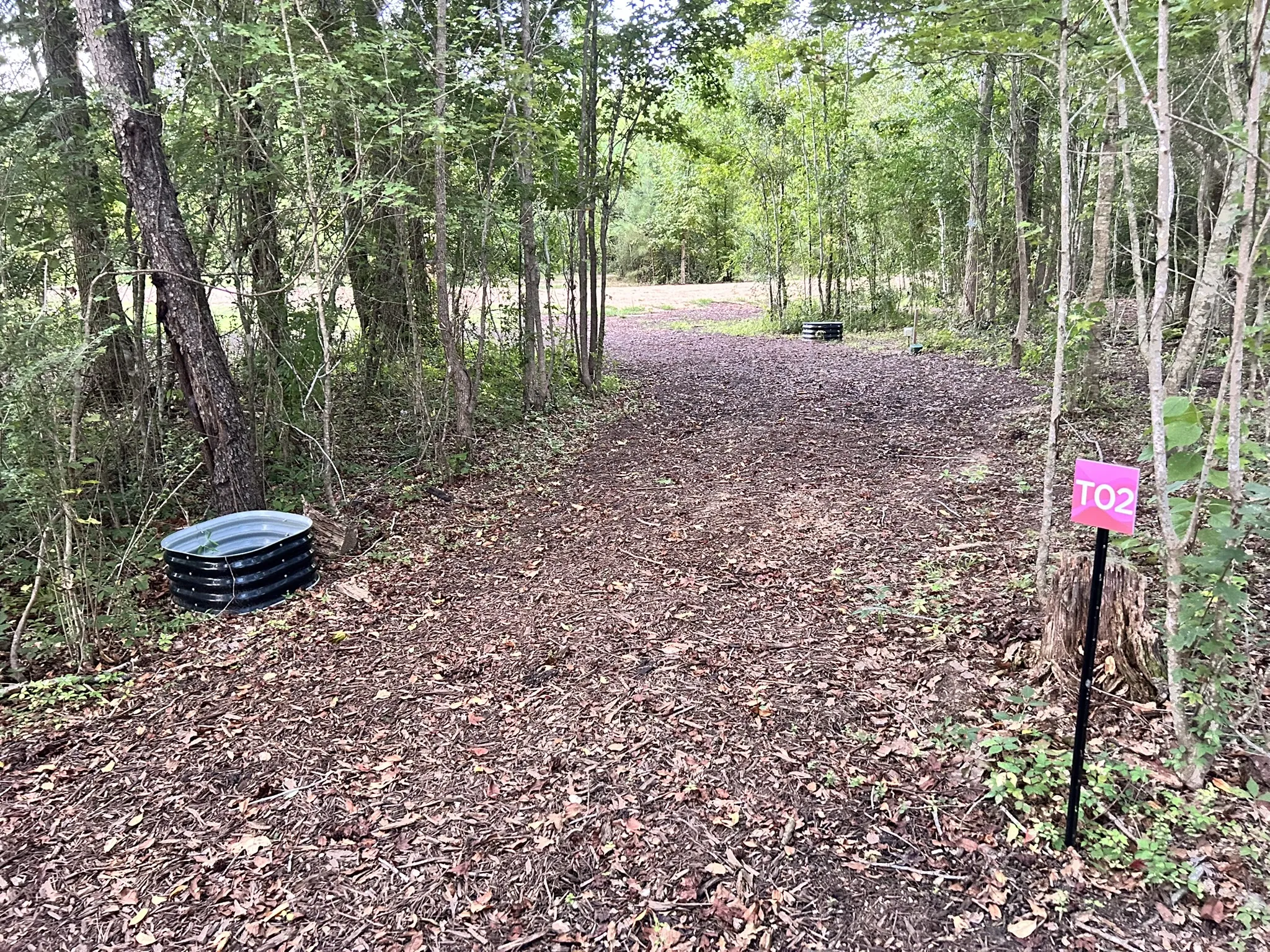
At Farmcamp, the current stay comparison makes the tradeoff visible: primitive tent sites start at $20 on weekdays, premium tent sites start at $30, furnished glamping tents start at $112, and cabins start at $125. Those are starting points, not a promise for every date. Weekend, holiday, extra-guest, and pet charges can change the total, so the live booking page is where you should confirm a specific visit.
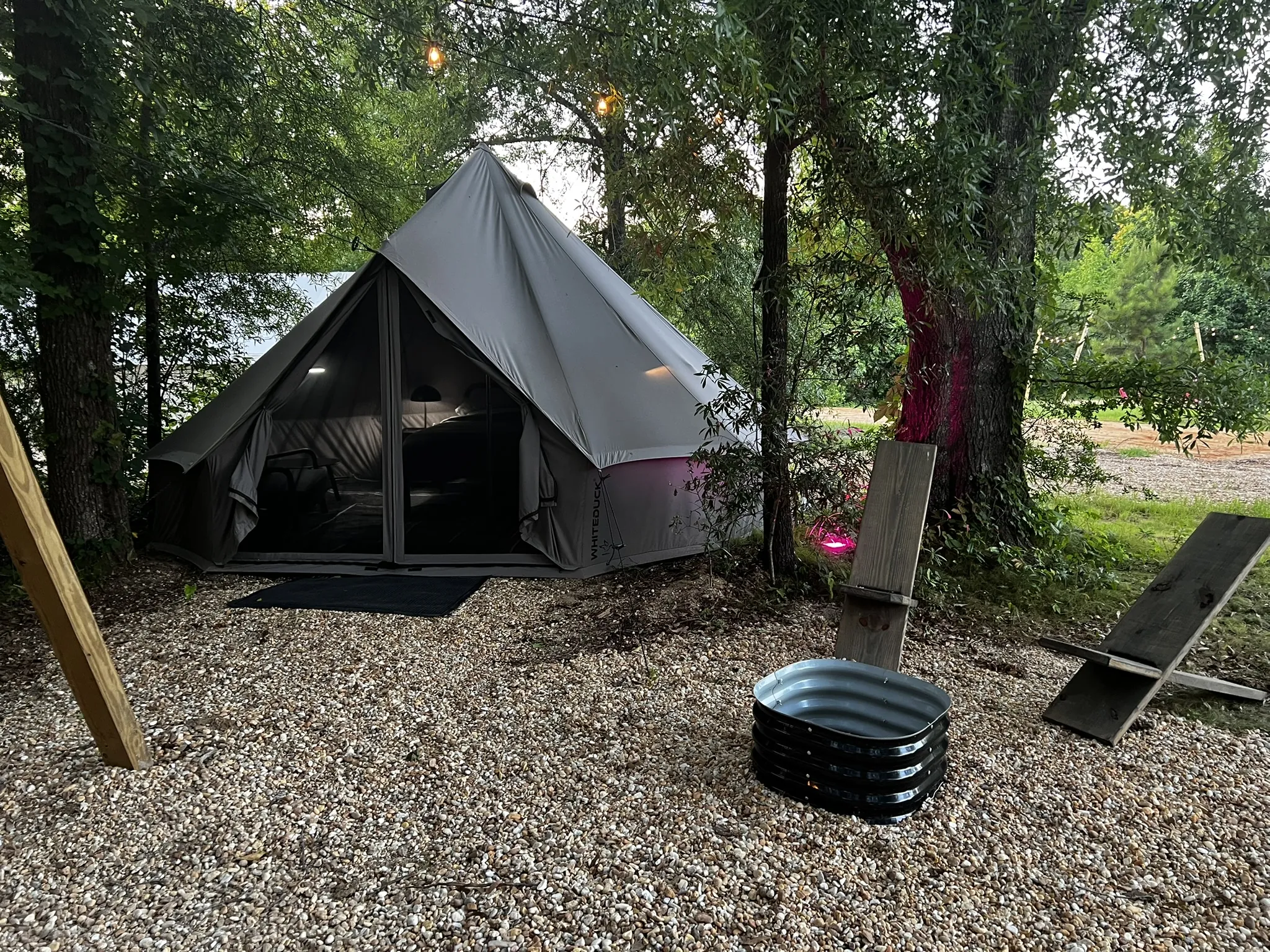
The right number is the one attached to the level of comfort you will actually use. If you know a real bed and a ready place to settle in will let you enjoy the whole trip, a glamping tent can be better value than a cheaper site that leaves you stressed before sunset. If setting up your own tent is part of the fun, the lower campsite rate may fit you perfectly.
Know what the nightly rate does and does not cover
A good budget starts by separating the stay from the other parts of the weekend. The nightly rate pays for the accommodation. It may not cover access requirements, extra guests, pets, food, fuel, tickets for a special event, or the small personal items that make the trip comfortable. None of that is a reason to avoid the trip. It is simply the difference between a number that looks good on a listing and a plan that feels calm once you leave home.
Read the details for your exact stay before you start packing or splitting costs with friends. Check the number of people included, whether a holiday minimum applies, whether your group needs a membership or day pass, and what the accommodation already has. A furnished stay can make it sensible to leave the tent, mattress, lanterns, and camp furniture at home. That is real savings if you would otherwise be buying them for one weekend.
Farmcamp is a members-only property, so include membership access in the plan. Current options start at $20 for a day pass or $30 for a week, with an annual option for regular visitors. Choose the one that matches your visit instead of assuming every campground has the same entry setup. A clear total upfront is much nicer than a surprise on arrival.
Compare the first-trip cost, not only the campsite cost
Traditional camping can absolutely be the less expensive choice, especially when you already have a tent, a reliable sleep setup, and the routine down. The math changes for someone starting from zero. A first-time camper may need shelter, bedding or sleeping pads, a ground cover, lights, chairs, a cooler, a way to keep food dry, and weather layers. You do not need the fanciest version of every item, but even a basic list can add up before the car leaves the driveway.
Glamping puts more of that cost into the stay. You are paying for someone else to prepare the sleeping space and carry some of the setup burden. That is not automatically a bargain, and it does not need to be. It can be the better choice when you want to try an outdoor weekend before committing to gear, when you are arriving late, or when the whole group has different comfort levels.
Use the glamping versus camping guide to compare the two styles beyond the price. It covers sleep, weather, group planning, and the first hour after arrival, which are often more important than the cheapest nightly rate. The practical rule is simple: do not buy a car full of equipment just to avoid paying for a prepared stay you would enjoy more.
Build a simple weekend budget in five lines
You do not need a spreadsheet for a one- or two-night trip. A five-line budget is enough to see whether the plan feels good:
- Stay: the nightly rate, the number of nights, and any date-specific minimum.
- Access: membership, day pass, parking, extra guests, or pet costs that apply to your group.
- Travel: fuel, a shared ride, and any stop you know you will make on the way.
- Food and drinks: one easy breakfast, water, snacks, and a plan for the meal you care about most.
- Fun money: an event ticket, a special meal, or a small buffer for the plan that comes up after you arrive.
Then split only the shared costs. The stay, fuel, cooler staples, and a shared meal are easy to divide. Personal snacks, shopping, or the extra thing one friend wants to do are not. That small distinction keeps a group budget from becoming awkward. You are planning a weekend together, not running a tiny accounting department in the woods.
If the total feels high, adjust the biggest line first. Choose one night instead of two, a simpler stay type, a weekday date, or a shared food plan. Cutting a few dollars from sunscreen or trying to skip the weather layer is rarely the move that makes the trip affordable. Your stay and travel choice do the real work.
Budget differently for a couple, friends, or a first solo trip
The same stay can feel like a completely different value depending on who is coming. A couple may choose a little more privacy and spend less on everything else. A friend group may be happy to share a more social base, split the drive, and use the extra room in the budget for a themed weekend. A solo traveler may value a ready-to-use place that makes the first visit feel straightforward, even if nobody is sharing the cost.
For a couple, start with the stay you will both genuinely enjoy. A furnished tent can be a good fit when you want the sounds and feel of camp with a real bed waiting at the end of the day. A cabin can make more sense when a long drive, warm weather, or the need for a quieter reset would otherwise get in the way. Do not automatically choose the lowest rate if it means one person spends the whole weekend trying to get comfortable.
For friends, decide early whether the trip is about a shared stay, separate sites near each other, or a simple day visit around an event. Split the things everyone benefits from: fuel, ice, a cooler, breakfast supplies, and the stay if you are sharing it. Keep personal spending personal. That gives people room to choose the food, drinks, or extras they want without turning every receipt into a group negotiation.
For a first solo trip, the useful budget question is usually confidence, not just price. A prepared stay can help you arrive with fewer logistics to manage, while a basic tent site can be right if you already know your gear and want a more independent weekend. Read the first-time guide before you choose. It explains the members-only setting and helps you picture the flow from arrival to settling in.
One night and a long weekend have different value
A one-night glamping trip is often the smartest way to try the experience. It keeps travel, food, and packing simple, and it lets you find out whether you like the rhythm of an outdoor stay before you plan something bigger. Choose the stay that makes arrival easy, bring the essentials, and give yourself one good water, trail, or evening plan. You do not need to build a full vacation to have a worthwhile reset.
For two or three nights, comfort has more time to pay off. A cabin, RV rental, or furnished tent can give you a place to unpack, dry off, sleep well, and come back to between activities. A longer stay also makes it easier to enjoy a slower morning, use the pool or spa without rushing, explore the property, and join an event without checking the time every hour.
Holiday and event weekends deserve their own line in the budget because they can bring different minimum stays, higher nightly rates, or tickets. That does not make them a bad value. It just means you should plan around the full weekend instead of comparing an ordinary weekday rate to a special date. Look at the event calendar before choosing your stay, then reserve enough room for the part of the weekend you are actually excited about.
Whatever length you choose, avoid treating the first trip as a test you have to pass. You do not need to fill every hour. A simple plan that leaves time for the creek, a nap, a firepit conversation, or a quiet walk is usually a better use of the budget than adding activities just because they were available.
Save money by avoiding duplicate gear
Overpacking is one of the quietest ways an outdoor trip gets expensive. People buy things because they picture every possible version of camping, then discover that their cabin, RV rental, or furnished tent already handles the big jobs. Before you pick up a tent, sleeping bag, lamp, or camp chair, read what your stay includes and decide whether you will use the item again after this trip.
For a glamping stay, your own list can usually stay focused on personal comfort: clothes that fit the forecast, swimwear, a towel, sunscreen, bug spray, chargers, medications, a water bottle, trail shoes or sandals, and something light for the evening. The Farmcamp glamping packing list helps you narrow that down without treating a weekend away like an expedition.
Weather still deserves respect. The National Park Service recommends checking the forecast and bringing essentials such as water, layers, and weather protection. That is useful advice because a small rain layer and a dry change of clothes prevent more frustration than a pile of fancy campsite accessories ever will.
Food, travel, and activities are where budgets drift
Most people remember the nightly rate and forget the handful of small costs around it. Fuel goes up when several people drive separately. Food gets expensive when everyone buys individual last-minute snacks. A planned event can be worth every dollar, but it should be part of the budget instead of a surprise. These are not glamorous considerations, yet they decide whether a trip feels easy or like a string of tiny money conversations.
Keep food simple on purpose. Bring water, a few favorite snacks, something for breakfast, and one meal that feels like a treat. Do not build a complicated camp menu that turns one person into the cook and another into the cleanup crew. Check the Farmcamp event calendar before you leave, too. A themed weekend may give you a reason to bring different clothes, plan your arrival time, or leave more room for the evening.
Travel can be shared without becoming rigid. Carpool when it makes sense, decide who is bringing the cooler, and agree on the one or two activities everyone cares about. Leave a little space for the plan that changes after you arrive. That is often where the best part of the weekend happens.
Choose the right place to save
There is a difference between being budget-conscious and making the trip harder than it needs to be. The right place to save is usually on duplicate gear, complicated meals, or a stay style that does not match your plans. The wrong place to save is on the things that keep you safe and comfortable outside, such as water, sun protection, dry layers, medication, or a sleep setup you know will not leave you exhausted.
Think about the trip in order. First, choose the stay. Next, decide how you are getting there. Then make a short food plan. Finally, add the one or two extras that will make the weekend feel memorable. This sequence keeps a small purchase from becoming a big problem because the major choices are already clear.
It also gives you permission to skip what does not matter to you. You do not need a new outfit for every event, a restaurant-style camp kitchen, or a trunk full of just-in-case gear. The best glamping budget is personal. It should make room for the parts of an outdoor getaway that help you relax, connect, and feel like yourself.
Read the stay details before comparing prices
Two glamping listings can look similar in a photo and deliver very different weekends. One may be a furnished tent close to shared showers and community spaces. Another may have more privacy, air conditioning, a kitchen feature, or room for more people. A lower rate is not automatically better if it leaves out something you care about, and a higher rate is not automatically worth it if you will spend every daylight hour outside anyway.
Before you compare numbers, make a short list of your non-negotiables. Maybe it is a real bed, a place to get out of the heat, easy access to showers, room for a friend, or the ability to bring your dog. Maybe it is simply being close to the water and the people you came to see. Once you know those priorities, the rate makes more sense because you are comparing stays that can actually work for you.
This is also why it helps to keep the booking step until the end of your planning. Use the Farmcamp stay overview to understand the options, then check the live details for your date. You will see the actual nightly price, availability, and any date-specific rules in one place. That is much more reliable than building a budget around a screenshot, an old social post, or a rate someone remembered from a different season.
When a higher-priced stay is worth it
A higher nightly rate is worth considering when it removes the friction that would otherwise keep you from enjoying the trip. That might mean a real bed after a long drive, a more private place to reset, air conditioning during an Alabama summer, or enough space for a couple or friend group to relax without tripping over gear.
It can also be worth it for a short stay. If you only have a Friday night and Saturday to get away, a prepared tent, cabin, or RV rental gives you more usable time. You arrive, unpack, and start the part of the weekend you came for. With a traditional campsite, setting up and breaking down can take a bigger share of a very short trip.
At Farmcamp, compare the cabin options, furnished glamping tents, RV rentals, and bring-your-own sites side by side. The property’s pool, spa, creek access, trails, showers, PinkBar, and event weekends mean the stay is only one part of the value. Pick the home base that gives you enough comfort to enjoy the rest.
How Farmcamp helps you plan a clear total
Farmcamp is built for adults who want an outdoor weekend with room for both nature and connection. That can mean a furnished tent close to the camp feel, a cabin that gives you a private reset, an RV rental that is ready when you arrive, or a simple site for the gear you already love using.
The easiest way to plan is to start with the stay comparison, review membership details, and look at the amenities and property map so you understand what is around your stay. Then check live dates on the booking page. You will know what the trip costs before you are loading the car, and you can spend the drive thinking about the fun part instead.
Frequently asked questions
How much should I budget for a glamping weekend?
Start with the nightly stay, then add the access or membership cost, travel, food, any extra guests, and the activities you genuinely want to do. A one-night trip can stay simple, while a themed weekend with several friends may need a little more room for shared food, rides, and add-ons.
Is glamping cheaper than buying camping gear?
It can be, especially for a first trip. Traditional camping may have a lower nightly site fee, but first-time campers can also need to buy or borrow shelter, bedding, lights, chairs, a cooler, and weather gear. Glamping costs more for the stay itself because much of the sleep setup and comfort are already provided.
What is usually included in a glamping tent?
The details vary by property, so always check the specific stay. A furnished glamping tent may include a real bed, linens, seating, lighting, and a prepared place to put your things. You still need to plan for personal comfort, weather, water time, meals, and the activities you want to enjoy.
How can I keep a glamping trip affordable?
Choose a stay that fits the way you will actually spend the weekend, travel with people who can share the right costs, keep food simple, and avoid buying gear that the accommodation already covers. Booking a simple overnight stay is often a better first test than trying to plan every possible activity at once.
Related posts
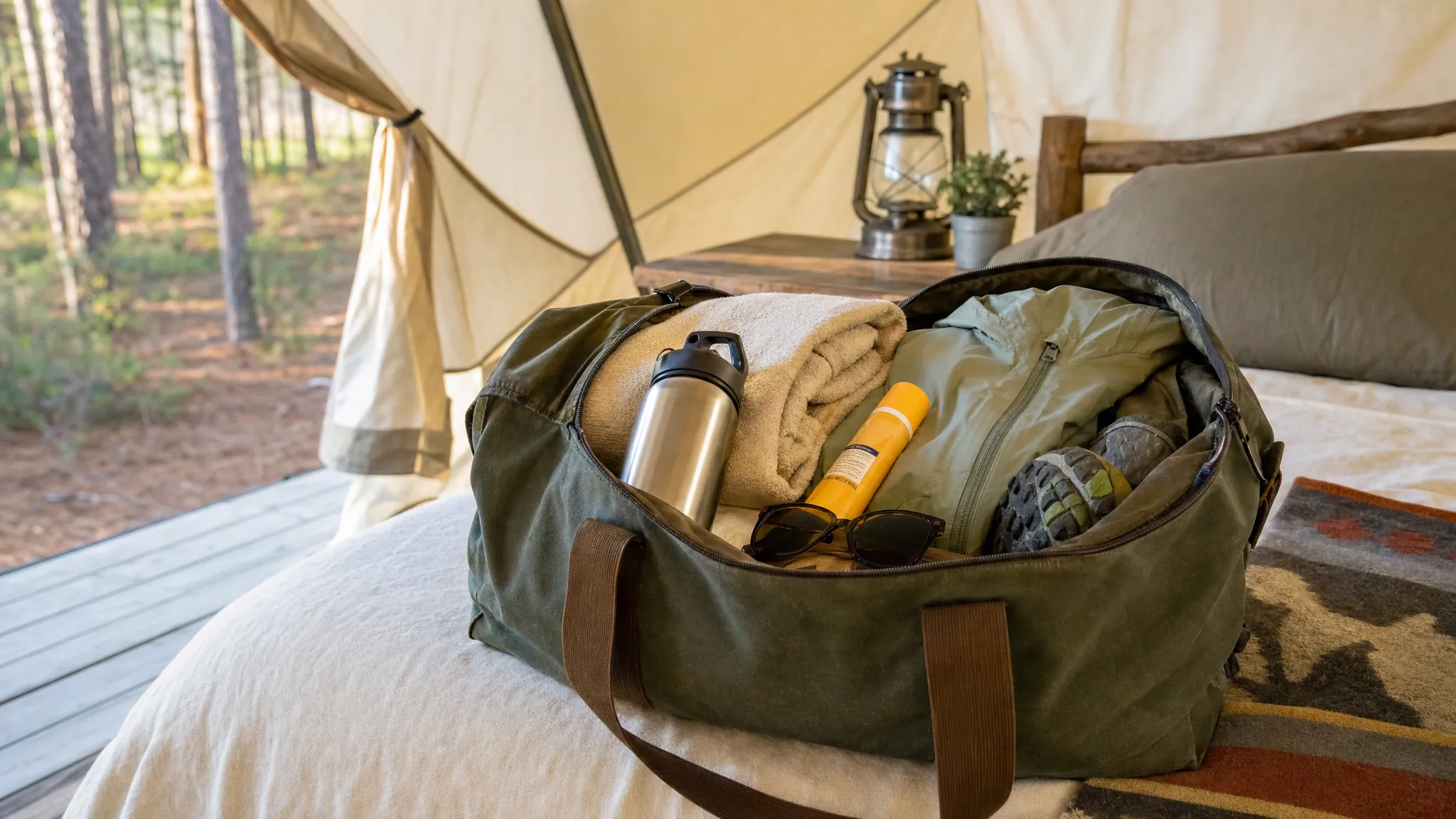 Glamping Packing List: What to Bring for a Better WeekendA relaxed glamping weekend starts with a short, smart packing list: the right clothes, water-ready gear, comfort basics, and a few things that make the after-dark plans easier.
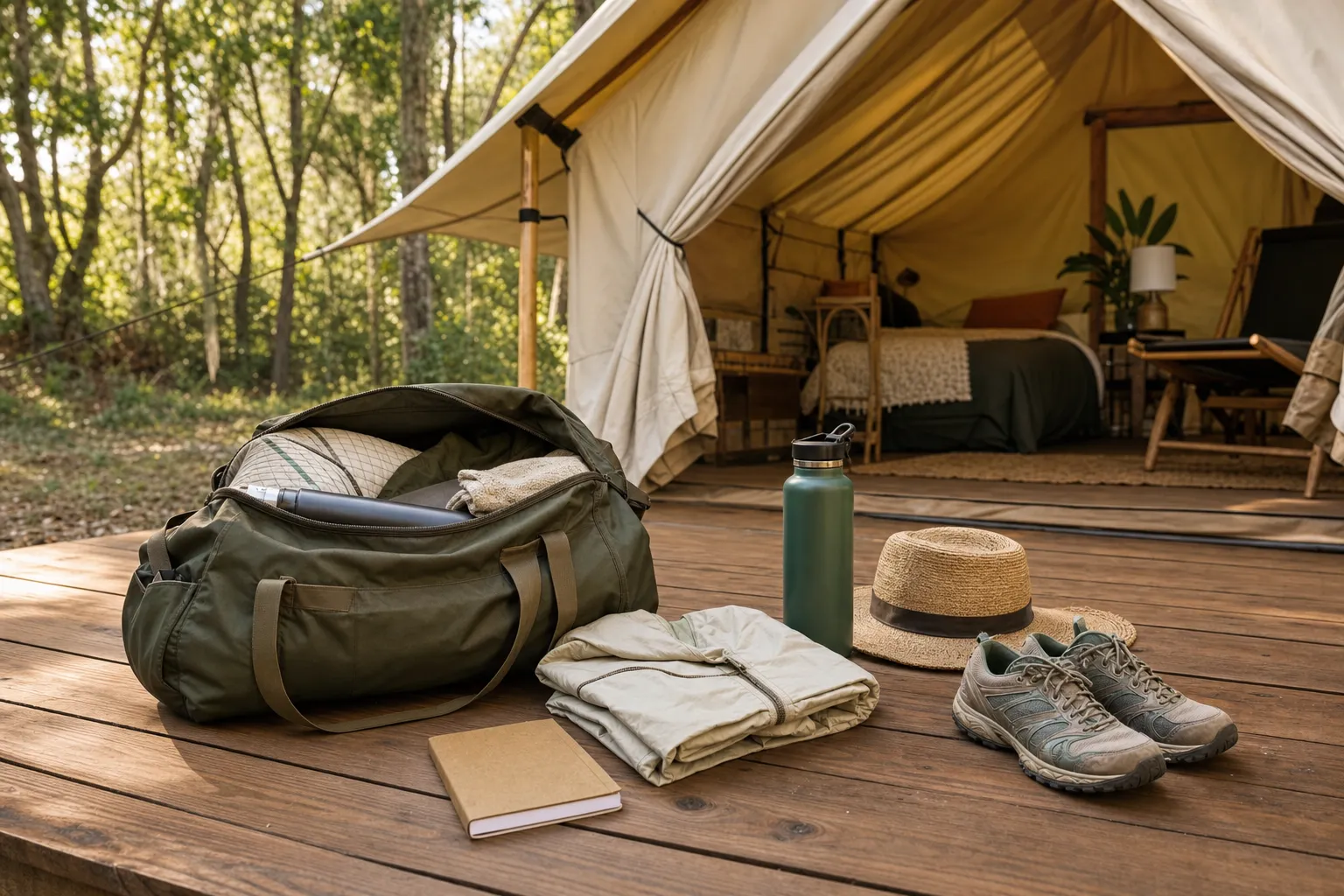 Glamping Tips for a Better First WeekendFrom choosing the right stay to building an easy arrival plan, these glamping tips help first-timers spend less energy figuring things out and more time enjoying the weekend.
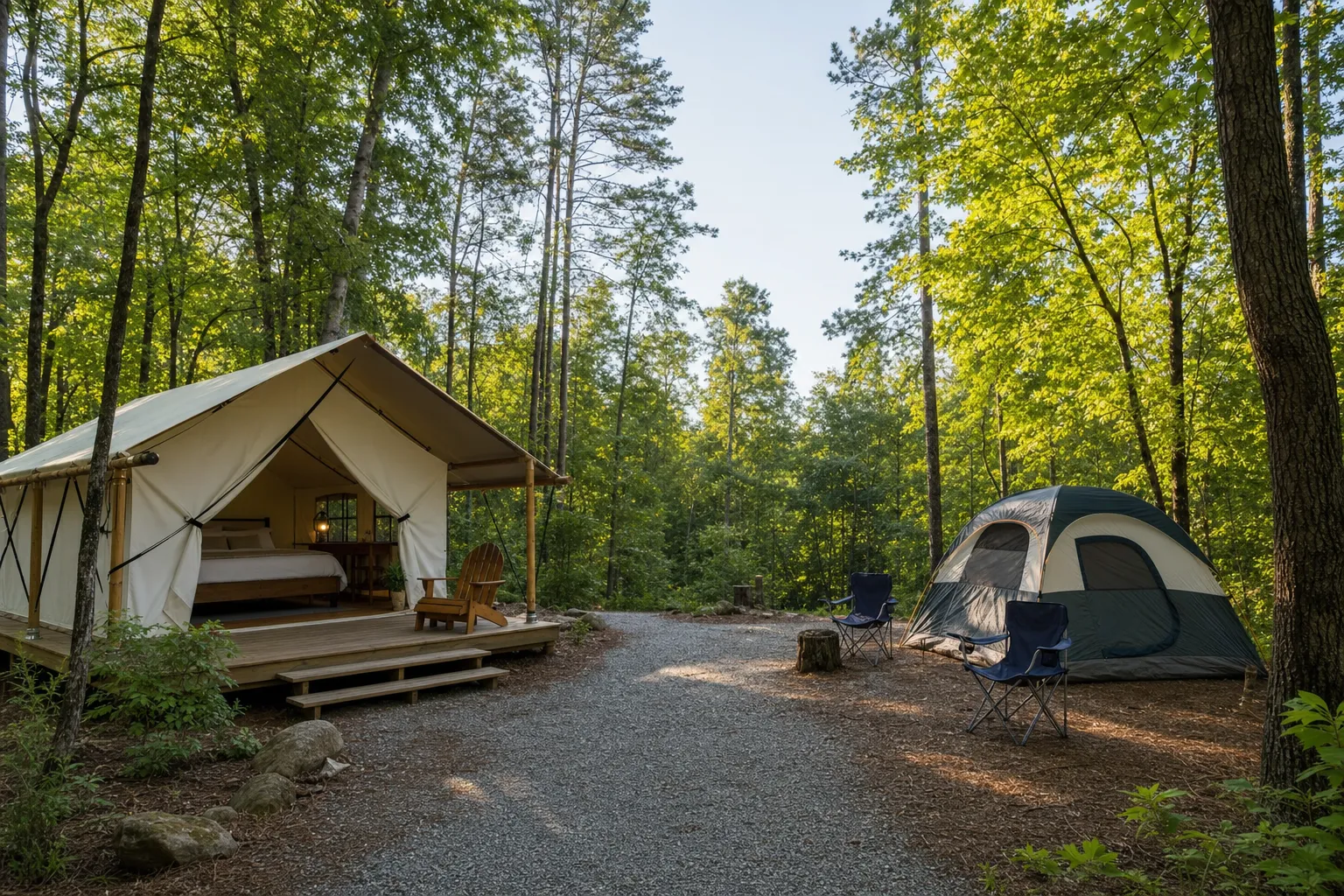 Glamping vs. Camping: Which Trip Fits You?Glamping and camping can both get you outside, but the setup, comfort, gear, and pace of the weekend are different. Here is how to choose the stay that feels right for you.

Plan your stay
Choose the comfort that makes the weekend feel easy.
Compare Farmcamp stays, check the live details for your dates, and put your budget toward the kind of outdoor time you will actually enjoy.