

A glamping trip does not need a color-coded itinerary, an overloaded car, or a long list of gear you will never use again. The easy version starts with a clear place to sleep, a few practical choices before you leave, and enough unplanned time to enjoy the place you came for.
That is especially true for a first trip, a short weekend, or a group with different ideas about what “outdoorsy” means. A furnished tent, cabin, or ready-to-use RV gives you a home base. From there, the plan can stay simple: get there comfortably, settle in, enjoy the water or woods, eat well enough, and leave room for the part of the weekend that no one could schedule.
Use this guide to plan the whole trip, from choosing a stay to deciding what belongs in the car. For the item-by-item version, Farmcamp’s glamping packing list is the right companion. This guide is for making the bigger decisions first, so the packing part becomes much easier.
1. Decide what you want the weekend to feel like
Before comparing tents, cabins, driving times, or snack lists, decide what you want the trip to do for you. Do you want a quiet reset with a real bed and a slower morning? A social weekend with friends and a good reason to be outside? A first camping experience without the pressure of pitching a tent in the dark? Those answers are more useful than a generic checklist because they tell you where to spend your energy and money.
Most trip-planning mistakes happen when people plan the image of a weekend instead of the actual experience. A group might pack for elaborate camp cooking, then spend every evening at an event. A couple might choose the lowest-cost option, then realize the long drive and hot weather made a little more comfort worth it. There is nothing wrong with either choice. It just helps to make the choice on purpose.
At Farmcamp, a stay can be the quiet place you return to between creek time, pool time, trails, food, and evening plans. Start by naming your priority: easy arrival, privacy, outdoor feel, shared space, social energy, or a little of everything. That one decision makes the rest of the guide much more useful.
2. Choose the stay before you plan the gear
Your stay determines what you need to bring. A furnished glamping tent handles a very different part of the trip than a primitive tent site. A cabin can make a long drive, warm night, or need for privacy feel much easier. An RV rental gives you a ready-made setup, while an RV or tent site makes sense when your own gear is part of the experience you want.
Start with the Farmcamp stay comparison and narrow the options by comfort, setup, and group needs. If you want the outdoor atmosphere but do not want to build your sleeping space, a glamping tent is a strong middle ground. If a more private indoor reset matters, look at the cabin stays. If you are bringing your own setup, compare the site types before you decide how much equipment goes in the car.
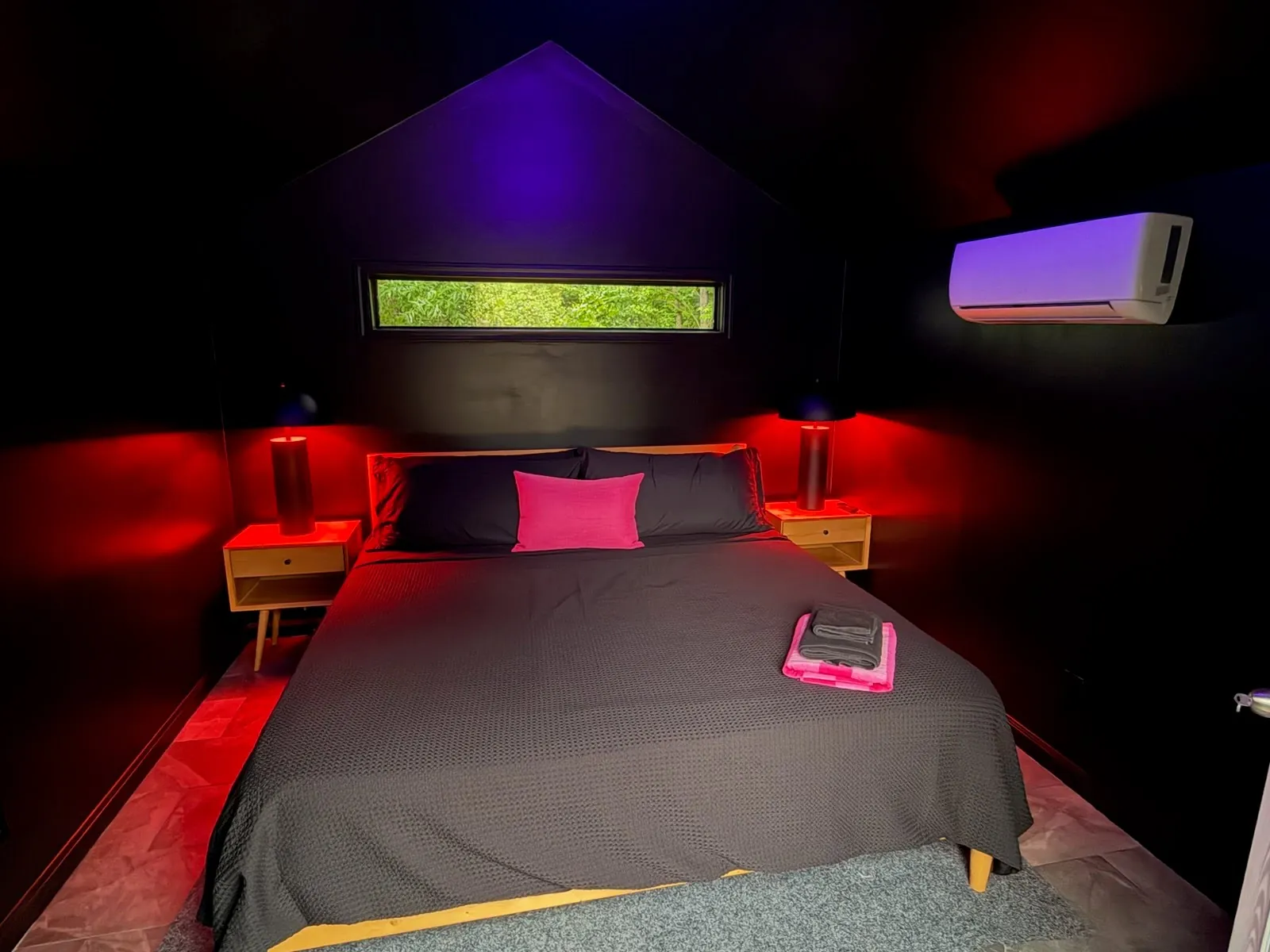
This is also where you avoid bringing duplicate gear. Do not pack a tent, sleeping bag, air mattress, camp stove, and chairs just because “glamping” sounds outdoorsy. Read the details for your chosen stay first. Then bring the things that fill a real gap, rather than a pile of just-in-case supplies.
3. Pick dates that leave enough room to enjoy them
For a first glamping trip, one or two nights can be plenty. A short stay keeps the drive, food plan, and packing list manageable while still giving you time to settle in. If you are coming for a themed weekend or traveling farther, an extra night can make the trip feel less rushed. The right length is not the maximum time you can take off. It is the amount of time that lets you arrive without immediately counting down to checkout.
Look at the event calendar before choosing dates. A music, social, or themed weekend can give a group a ready-made reason to come together. A quieter date may be a better fit when the goal is a slower pace, a long walk, creek time, or simply catching up without a packed schedule. Neither kind of weekend needs to be overplanned.
Once the dates feel right, check availability through the booking page. That keeps your plans grounded in the actual stay options for the weekend you want, rather than a rate or room type from an old post, screenshot, or conversation.
4. Make a weather plan that stays small
Weather matters on an outdoor trip, but it does not need to run the whole show. Check the forecast close to departure, then make one or two smart adjustments. In warm weather, that may mean more water, sunscreen, a hat, and loose clothes. If rain is possible, it may mean a light shell, sandals that can get wet, and one dry outfit in a separate bag. For cooler evenings, bring the layer you will actually want around a fire or on the walk back to your stay.
The National Park Service’s camping preparation guidance is a useful reminder to bring water, layers, weather protection, and the basics that support your own comfort. For thunderstorms, the National Weather Service advises getting inside a substantial building or hard-topped vehicle when thunder is nearby. Know the plan, then get back to enjoying the trip.
A simple weather plan is better than a nervous one. You do not need an outfit for every possible temperature. You need a couple of options that keep a passing shower, hot afternoon, or cooler night from turning into a reason to sit inside and miss the weekend.
5. Build a short packing system instead of one giant list
Once the stay and forecast are clear, pack in small groups. Keep arrival essentials together. Keep water-day things together. Keep your evening clothes and personal items together. This makes the first hour easy because you can find what you need without unpacking every bag on the bed or campground floor.
- Arrival bag: booking details, identification, membership information, phone, charger, water, and medications.
- Water bag: towel, sunscreen, sunglasses, sandals or water shoes, and a dry shirt.
- Outdoor bag: trail shoes, bug spray, a light rain layer, and a refillable water bottle.
- Evening bag: a clean outfit, comfortable layer, portable battery, and anything that helps you feel ready after a shower.
If you want a more detailed list, use the packing guide after you choose your stay. It is much easier to cross a few items off a specific list than to guess at what “glamping gear” means for a weekend that might include the creek, a pool, a trail, dinner, and a late night with friends.
6. Plan the first hour after arrival
The first hour is where a trip either feels easy or feels like work. Give yourselves one simple sequence: check in, get to the stay, put down the arrival bag, look around, and decide what happens next. That does not sound exciting, but it keeps everyone from asking ten questions at once while one person is still trying to find a towel or phone charger.
Before leaving home, save the property map and make sure everyone in the group can get to it. The map helps you understand where the shared spaces, trails, creek, pool, and other property features sit around your stay. You do not need to memorize it. You just want a clear picture of what is nearby when the group wants to head out.
For friends traveling together, decide who has the shared essentials before the drive starts. One cooler, one first-aid kit, one speaker, or one bag of breakfast supplies is enough. Each person can take responsibility for their own clothing and personal items. That keeps the shared part light and prevents everyone from bringing the same thing while forgetting water.
7. Leave room for the water, woods, and downtime
A good glamping trip has some shape, but it should not feel like a conference agenda. Pick one daytime idea and one evening possibility, then see how the day feels. You may want creek time, the pool and spa, a trail walk, a meal, or a slower afternoon at your stay. The point of a prepared home base is that you can change the pace without changing locations.
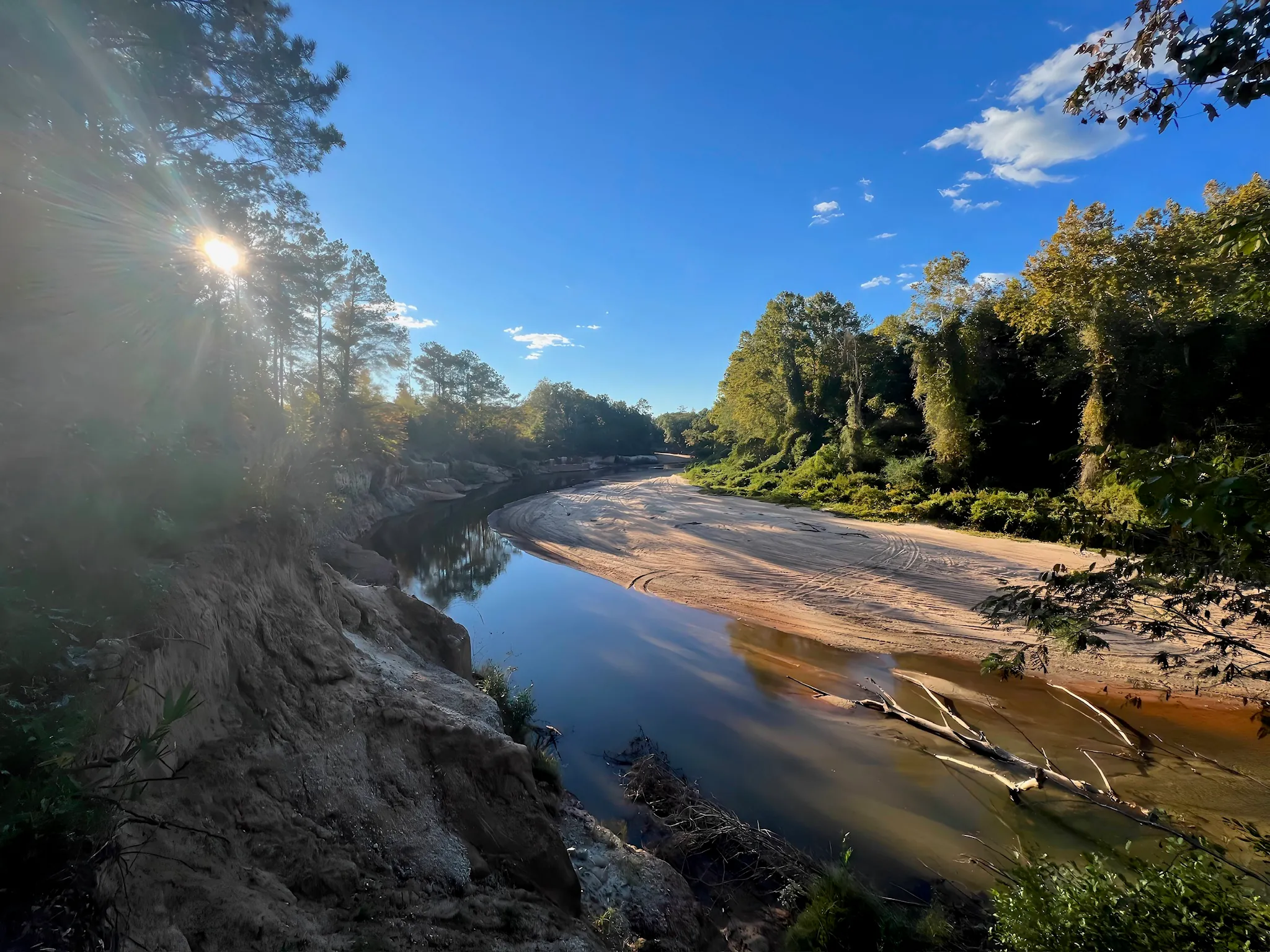
Farmcamp’s amenities make it easy to choose in the moment. A hot afternoon can become pool time. A group that wants to cool off can head to the creek. A quiet morning can turn into a walk under the trees. When you plan the basics before leaving, you can let the fun part stay flexible after you arrive.
Downtime counts, too. Bring one small thing that makes a quiet hour better: a book, cards, a favorite snack, a hoodie, or simply enough space in the plan to take a nap. A weekend does not need a highlight every hour to feel memorable.
8. Keep food simple enough to enjoy
Food can quietly take over an outdoor trip when the plan becomes too ambitious. You do not need a restaurant menu in a cooler. A few easy breakfasts, water, snacks, something shareable, and one meal people are excited about usually work better than a pile of ingredients no one wants to cook after a full day outside.
Think about energy, not perfection. If you are arriving late, have food ready that does not need much prep. If you are planning a social evening, keep dinner easy so no one gets stuck cooking while everyone else heads out. If you have a favorite treat or drink that makes the weekend feel special, bring it, but do not turn the shopping list into another job.
Check the event plan before you leave so meals fit the timing of the weekend. Farmcamp’s PinkBar adds a food-and-drink option when you want to spend more time around the property and less time managing a camp kitchen. The best food plan is the one that supports the weekend rather than becoming the weekend.
9. Make the group plan clear, then loosen it up
Glamping with friends works best when you agree on the few things that can create friction: rides, arrival time, sleeping arrangements, shared costs, and the one or two things everyone wants to do. You do not need to agree on every meal or every hour. In fact, trying to do that is a quick way to make a fun trip feel oddly formal.
Keep shared spending obvious. Split the things everyone will use, such as the stay, fuel, ice, or a shared breakfast. Let personal food, drinks, shopping, and extras stay personal. That is not about being strict. It gives everyone room to make their own choices without a running conversation about receipts.
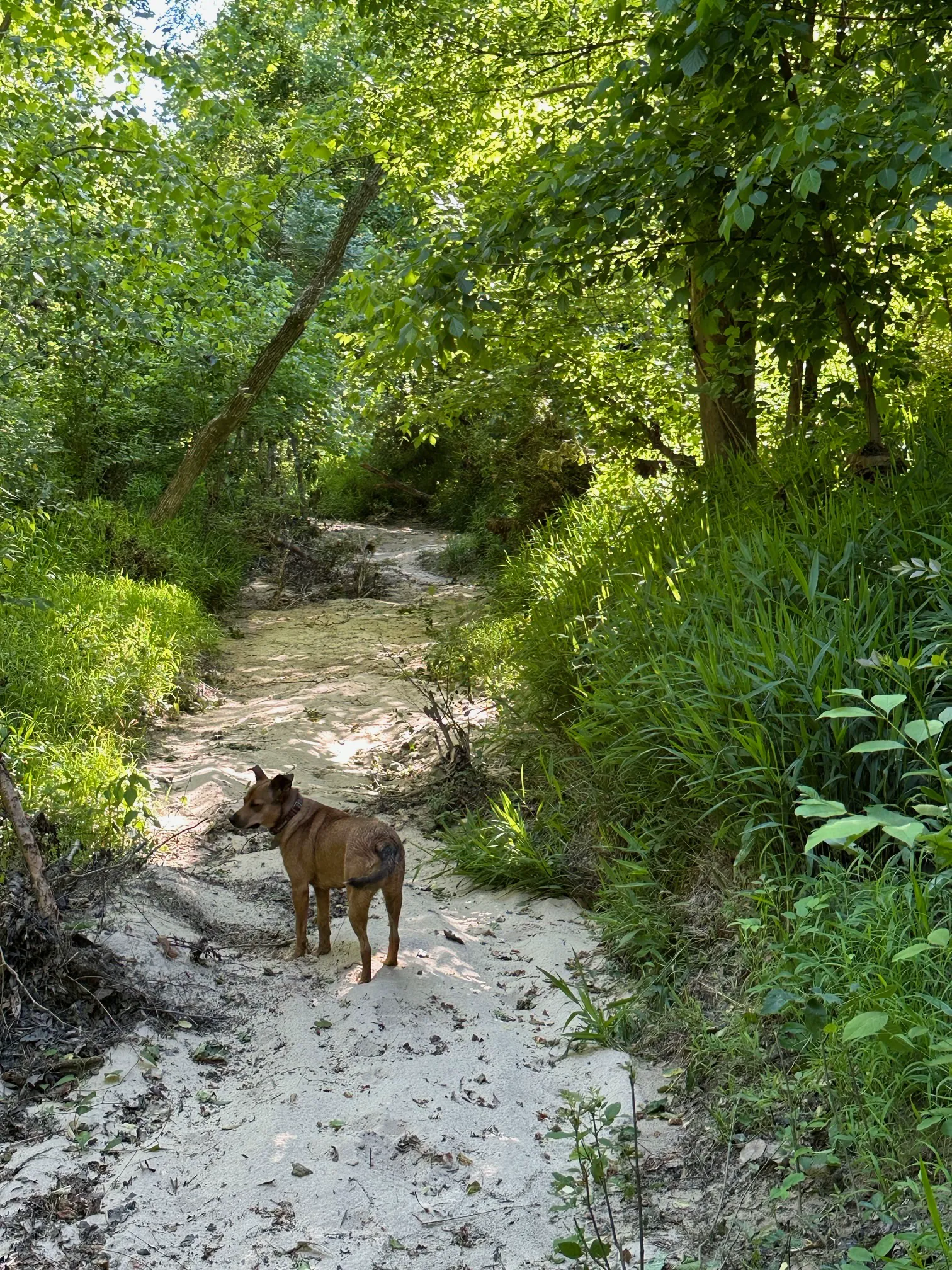
It also helps to give people permission to choose their own pace. One friend may want to be up early for the trail. Another may want a slow coffee and pool afternoon. You can meet back up later. A glamping trip gets better when the group has a shared home base and no pressure to move as one unit every minute.
10. Let the evening feel easy, too
Pack one small evening kit before you leave home. A clean shirt or outfit, a layer for later, a charged phone, a battery, and any personal items you want after a shower are enough. Keep it separate from the bigger luggage so you can shift into the evening without emptying every bag.
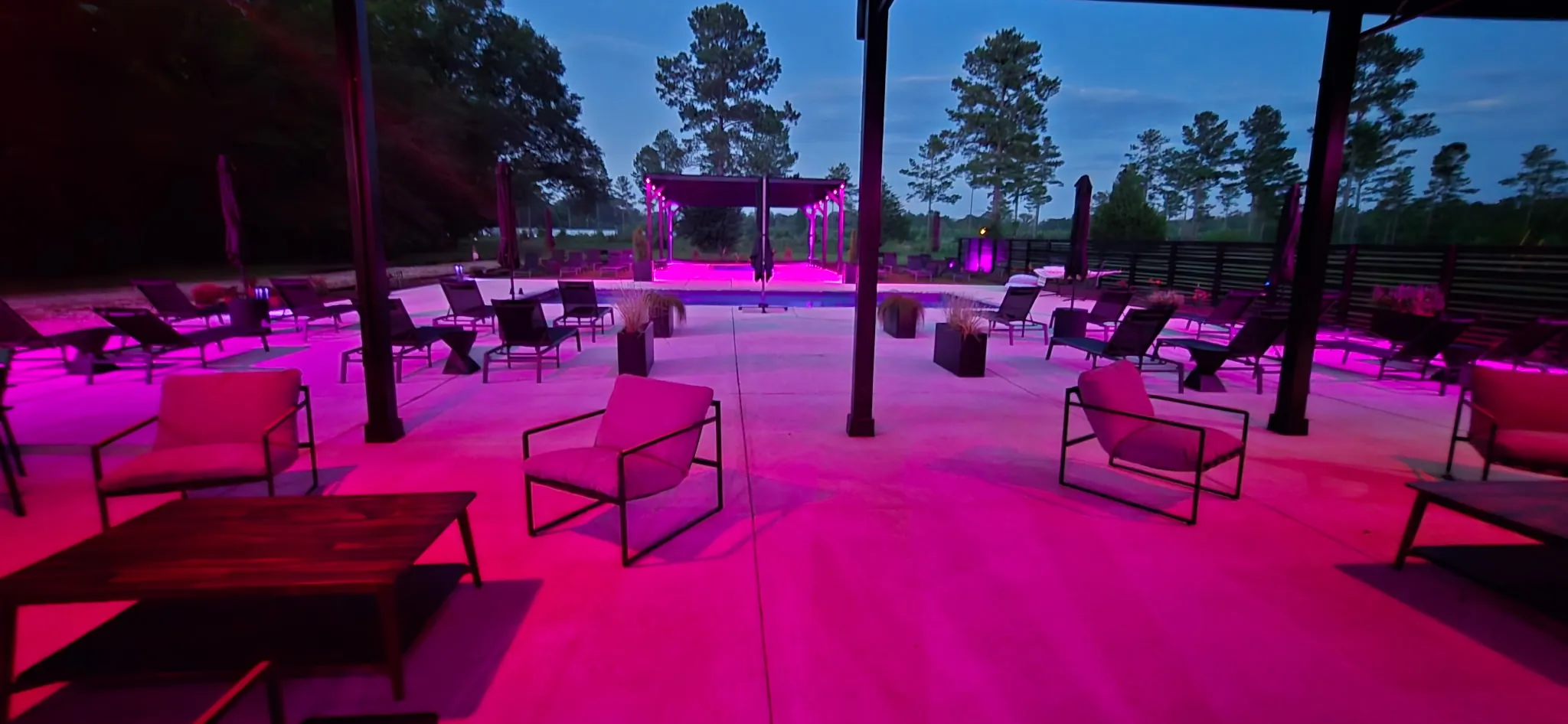
At Farmcamp, a night can be a fire, an event, a quieter conversation, or a stop at PinkBar. Check the upcoming events before you go, then leave enough flexibility to decide once you have seen how the weekend feels. The best plans give you options, not obligations.
How Farmcamp makes the planning part simpler
Farmcamp is a 21+ members-only glampground in Tuskegee, Alabama, made for adults who want an outdoor weekend with room for comfort, connection, water, and a change of pace. You can choose a furnished glamping tent, cabin, RV rental, RV site, or tent site, then shape the rest of the stay around the level of setup and privacy that feels right.
Start with the membership details, compare the stay options, and use the first-time guide when you want a clearer sense of what to expect. Then check live availability through Farmcamp booking. That is enough to turn “we should plan a trip sometime” into a weekend that actually gets on the calendar.
Frequently asked questions
How far ahead should I plan a glamping trip?
Start with the dates and stay type first, then make the rest of the plan a few days before you leave. A short trip works best when you know where you are sleeping, how you are getting there, what the forecast looks like, and one or two things you want to do once you arrive.
What should I bring on a glamping trip?
Bring personal comfort items, weather-ready clothes, water gear if you want it, toiletries, medications, chargers, and a light layer for the evening. Check what your specific stay includes before bringing bedding, a tent, or other large camping gear.
How do you plan a glamping trip with friends?
Agree on the basics early: the dates, rides, stay setup, one or two shared supplies, and any event or meal everyone cares about. Let each person handle their own personal gear and spending, then keep plenty of the schedule open once you arrive.
Is glamping good for a first outdoor trip?
Yes. A prepared tent, cabin, or RV rental lets first-timers enjoy the setting without having to learn every part of tent setup and sleep gear at once. It is still smart to plan for weather, water, sun protection, and the details that make you feel comfortable.
Related posts
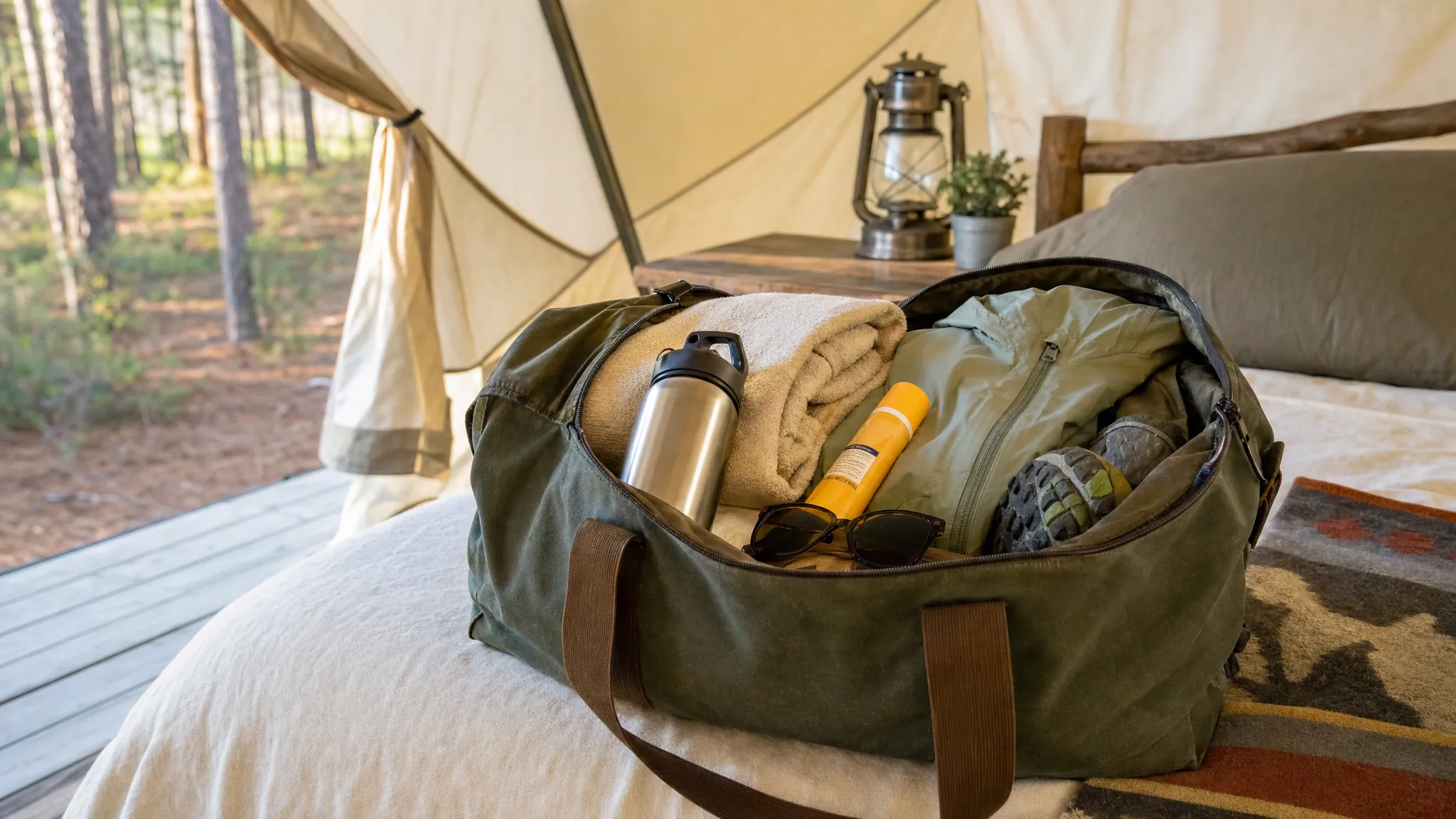 Glamping Packing List: What to Bring for a Better WeekendA relaxed glamping weekend starts with a short, smart packing list: the right clothes, water-ready gear, comfort basics, and a few things that make the after-dark plans easier.
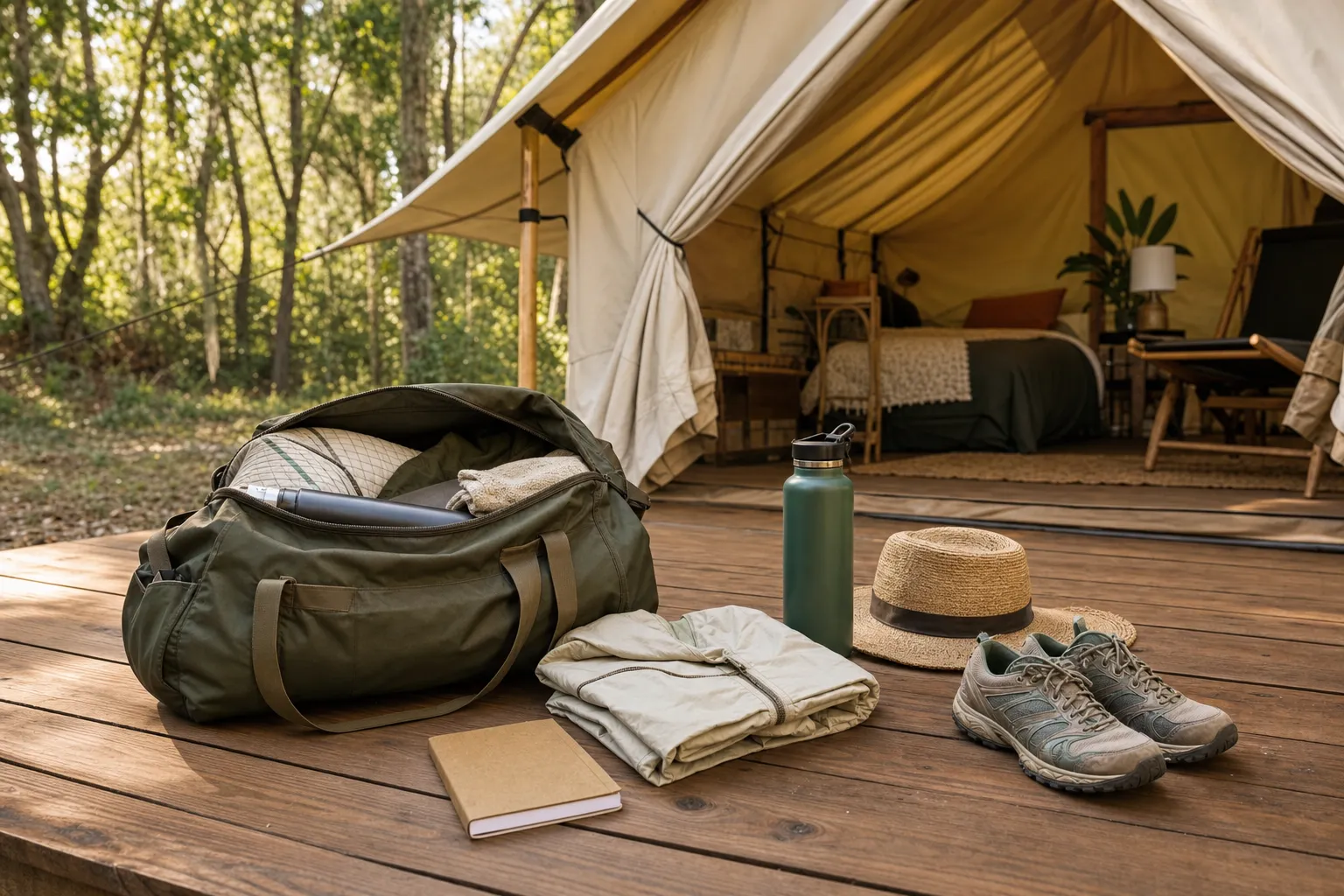 Glamping Tips for a Better First WeekendFrom choosing the right stay to building an easy arrival plan, these glamping tips help first-timers spend less energy figuring things out and more time enjoying the weekend.
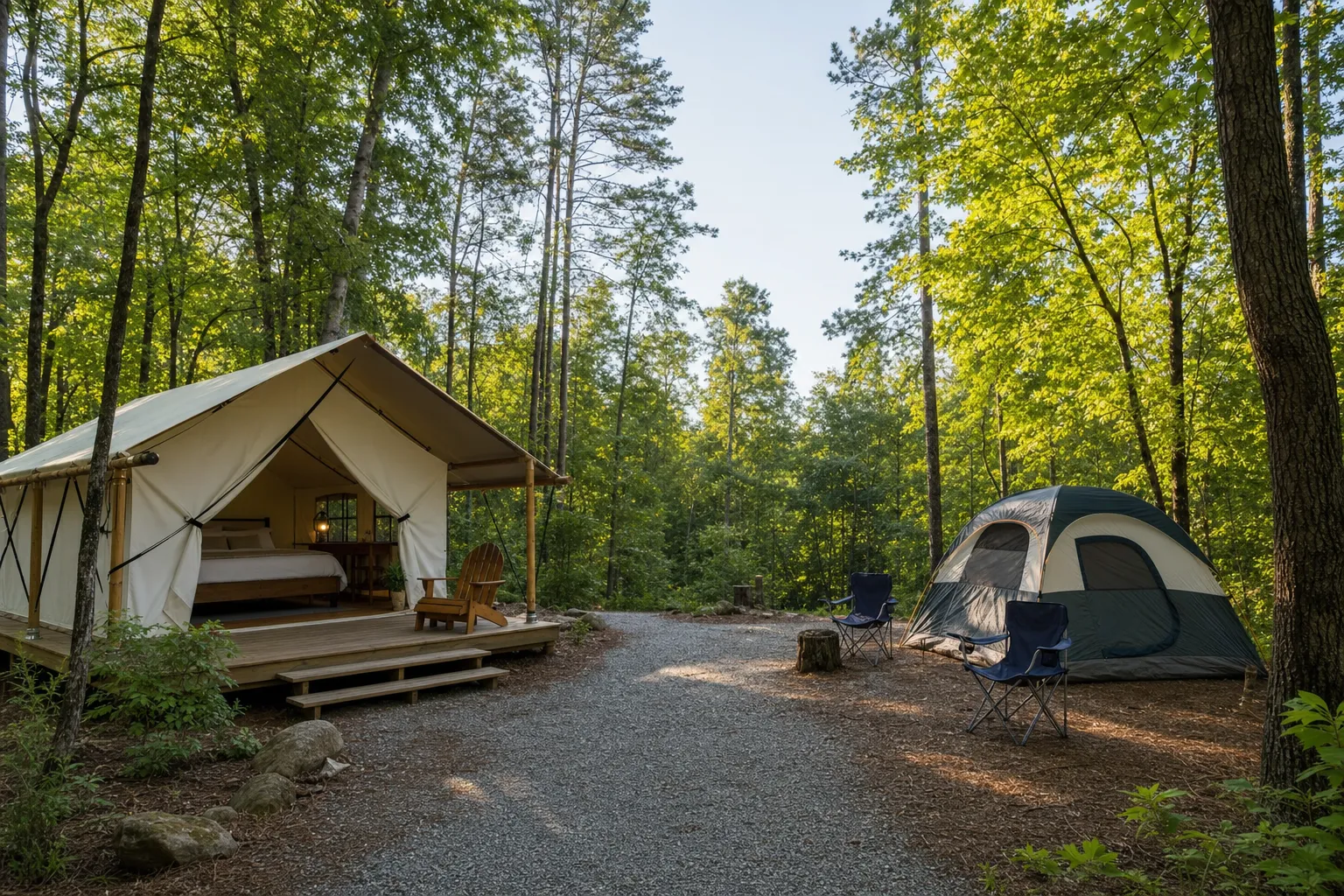 Glamping vs. Camping: Which Trip Fits You?Glamping and camping can both get you outside, but the setup, comfort, gear, and pace of the weekend are different. Here is how to choose the stay that feels right for you.

Plan your stay
Choose your home base, then let the weekend happen.
Compare Farmcamp stays, check the dates that work for you, and pack for the outdoors without turning the getaway into a project.