
Good camping coffee is less about owning a clever gadget and more about making one small decision before the trip: how much work do you want to do before the rest of the day begins? The best setup is the one that fits your group, your stove or fire plan, and the amount of cleanup you are willing to handle while everyone is still waking up.
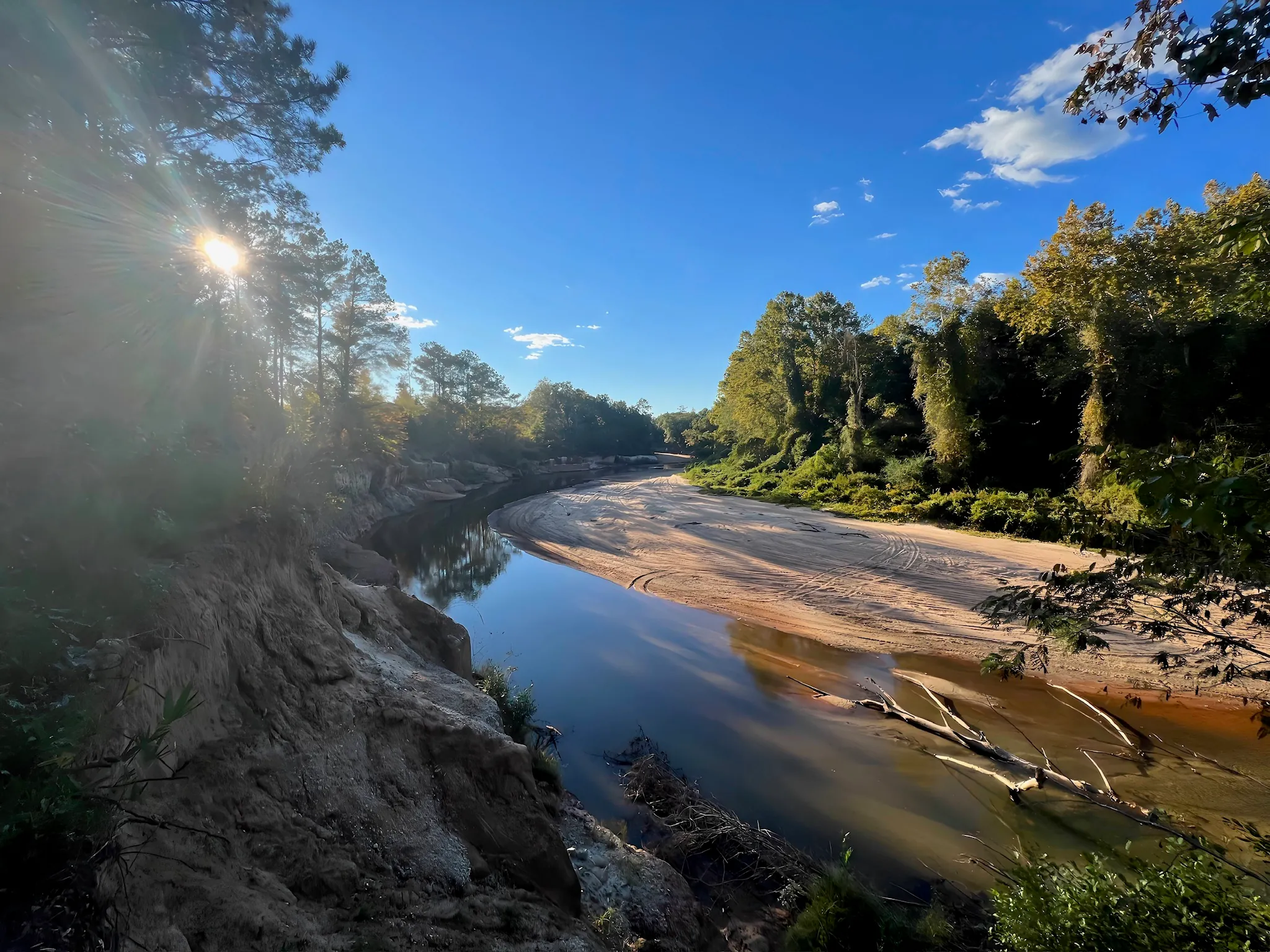
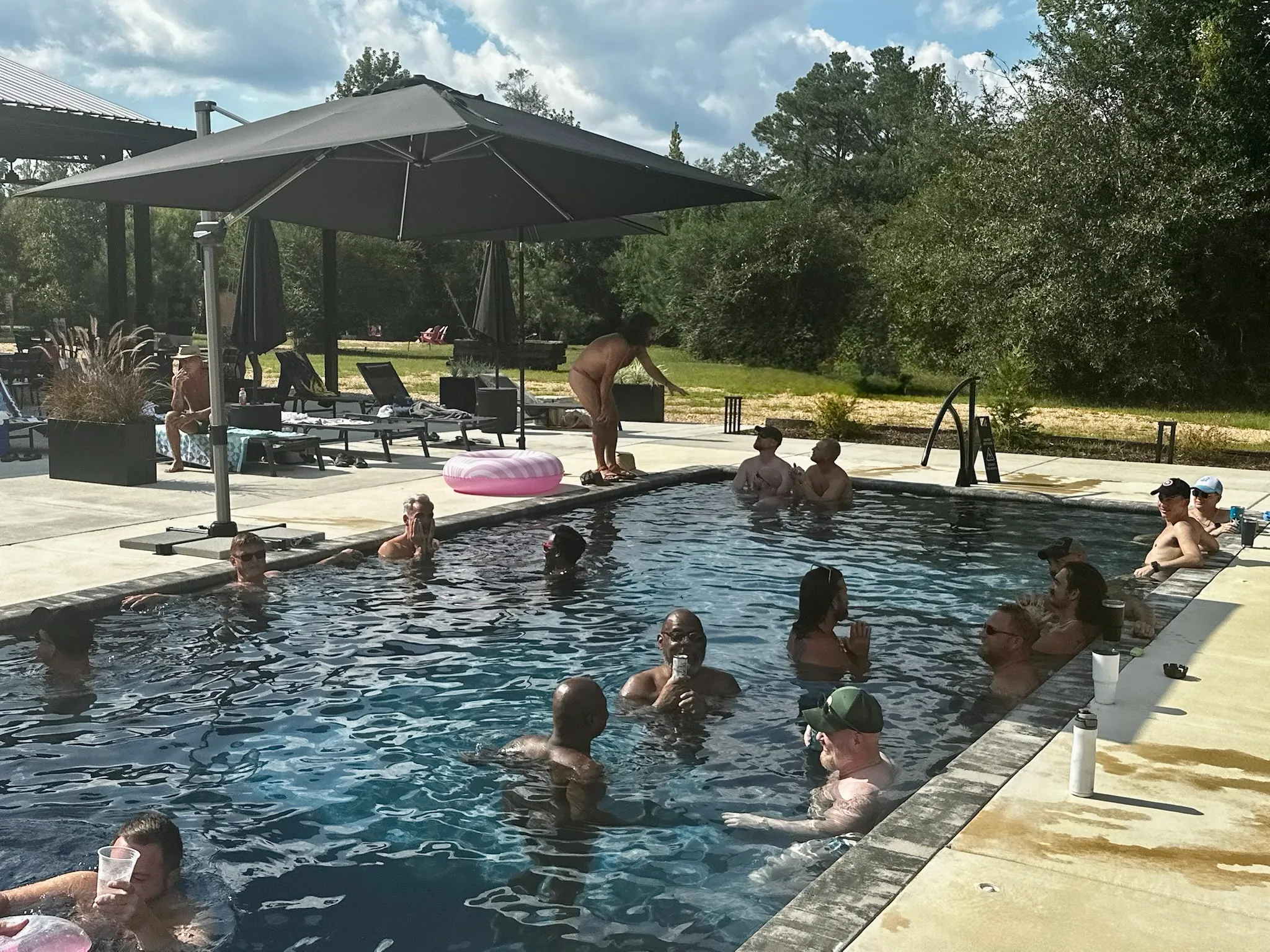
At Farmcamp, a morning might lead to the pool, a creek walk, a quiet porch, or a slow conversation before the day finds its shape. Keep coffee in its proper place. It should be a small ritual that makes the morning better, not the first complicated project of the weekend.
Choose the method that fits your real morning
There is no single right way to make coffee outside. A solo traveler heading out early needs something different from a group lingering over breakfast. Start by choosing one method, then pack only the pieces it requires. Bringing three backup systems is how a relaxed weekend turns into a rolling coffee shop.
- Fastest and lightest: instant coffee or coffee bags.
- Simple and familiar: a pour-over cone or compact drip brewer.
- Best for sharing: a French press or percolator.
- For a slower ritual: a moka pot, when you already know how to use one.
A camp stove gives you the most consistent way to heat water. If you plan to use a fire, first check the property rules and current conditions. The USDA’s camping food-safety guidance also recommends planning how you will prepare food before you leave, which applies to your morning water setup just as much as dinner.
1. Instant coffee, when easy wins
Instant coffee is the least fussy choice: boil water, stir, and get on with the morning. Modern options vary widely, so bring a brand you have already tried instead of buying a mystery packet at the last minute. It is especially useful for a first morning after a late arrival, a chilly morning when you want a warm mug quickly, or a group with different schedules.
Make it better with a pinch of cinnamon, shelf-stable creamer, powdered milk, or a small bottle of syrup. Keep portions in a zip bag or tiny jar. The goal is not to create a café menu at the picnic table. It is to make the cup you want without unpacking half the kitchen.
2. Coffee bags, for a cleaner single cup
Coffee bags work like tea bags and make sense when each person wants a fresh cup without grounds, filters, or a shared brewer. Steep the bag in hot water for the time listed on its package, then press it gently with a spoon before removing it. Pack a small sealed bag for used coffee bags and wrappers so cleanup stays contained.
3. Pour-over coffee, for a familiar routine
A lightweight pour-over cone gives you a more familiar cup with very little gear. You need the cone, filters, ground coffee, a mug, and a kettle or pot that pours steadily enough to control the water. Pre-fold a few filters and store them in a dry bag or rigid container so a damp cooler does not ruin the morning before it starts.
Pour slowly in small circles, let the water work through the grounds, and stop when the cup reaches the strength you like. It is a calm option for one or two people. If your whole group is standing around waiting on caffeine, choose a bigger batch method instead.
4. French press, for two unhurried cups
A French press is a strong camping choice for a couple or two friends who want a fuller cup without paper filters. Add coarse grounds, cover with hot water, wait a few minutes, then press slowly. Use a sturdy travel press or wrap a glass one carefully, because campground tables, rocks, and sleepy hands are not the place for fragile gear.
The tradeoff is cleanup. Wet grounds should not be tossed on the ground, in the fire ring, or near water. Scrape them into a sealable bag or container, then rinse the press at an appropriate wash area. The National Park Service’s camp cooking guidance is a useful reminder to keep food waste, packaging, and scented items contained and the site clean.
5. Percolator, for a larger shared pot
A percolator is made for a leisurely group morning. It can make enough coffee for several people without taking turns over one mug, and it feels right when breakfast is happening at the same time. Use medium or coarse grounds, keep the heat gentle, and taste before leaving it too long. Strong is nice. Bitter because nobody noticed the pot is still going is less charming.
6. Moka pot, for a small strong cup
A moka pot makes a concentrated, espresso-style coffee on a controlled stove. It is a good option for people who already use one at home and want a compact ritual away from home. Fill the base with water to its marked level, add coffee to the basket without packing it down, and use moderate heat. When the coffee has risen into the top chamber, take it off the heat before it scorches.
This is not the best system to learn for the first time at camp. It has more moving parts than instant or pour-over coffee, and mornings are more pleasant when you are using equipment you already understand.
7. Cold brew, for warm-weather weekends
For a hot weekend, make cold brew at home, strain it before leaving, and keep it cold in a well-sealed bottle or cooler. It removes the morning heating step entirely and makes it easy to pour over ice. Bring enough ice and use it early while the cooler is at its coldest. It is a smart answer when the group would rather head toward the water than wait for a stove.
Do ten minutes of prep before you leave
The best way to improve camping coffee is to remove decisions from the morning. Portion grounds into one bag per pot or one small container per person. Put filters in a dry sleeve. Rinse and fully dry the brewer before packing it. Put the mug, spoon, and coffee supplies together in a small tote so they do not disappear under towels, swim gear, or the snack bag.
If you use beans at home, decide whether fresh grinding is genuinely part of the joy for you. A hand grinder can be lovely on a slow trip, but it is another item to pack, clean, and keep dry. Pre-ground coffee in an airtight container is usually the better choice when your weekend is built around people and plans rather than a precise morning brew. Pack a little extra, but not an entire bag that will go stale in the car.
Think through the order of the morning, too. Heat water first if breakfast needs it. Fill travel mugs before the group starts moving around. Put milk, creamer, and any cold add-ins in an easy-to-reach corner of the cooler. That bit of organization means the first person awake does not have to unpack the entire campsite just to make one cup.
A small coffee kit that earns its space
Once you choose your method, build the kit around it. For most two-night trips, that means coffee, a way to heat water, a mug, a spoon, and one compact cleanup plan. Add the filter, press, or brewer only if it belongs to your chosen method. Extras are optional, not proof that you are doing camping correctly.
- Coffee: pre-portioned grounds, instant packets, or coffee bags.
- Water: enough potable water for drinking and brewing, plus the property’s available water options.
- Heat: a stove and fuel, or fire-safe cookware when fires are allowed.
- Cleanup: a sealable bag for grounds and wrappers, a small cloth, and dish supplies that fit your stay.
Bring water you know is safe for drinking and preparation. The USDA advises campers not to rely on a stream or lake for water just because it looks clear. Farmcamp’s amenities guide and property map can help you picture where your morning setup fits before you pack.
Common camp coffee problems, solved simply
The coffee tastes weak
Measure before the trip instead of guessing while half awake. If the coffee still tastes weak, use a slightly fuller portion next time rather than trying to keep it on the heat longer. A too-long brew often tastes harsh instead of stronger.
The coffee is gritty
Use a filter, choose a coarser grind for a press or percolator, and pour gently. If you brew directly in a pot, give the grounds time to settle before pouring. A small mesh strainer can help in a pinch, but it is easier to choose a method that matches your tolerance for cleanup.
There is no fire, or the weather changes
That is why a stove or a cold option makes a better primary plan than depending on an open flame. The National Park Service notes that campers should follow site rules around fire use, and conditions can change. A coffee setup that still works without a campfire is one less thing to renegotiate when the morning begins.
The group wants coffee at different times
Set out instant packets, coffee bags, or cold brew alongside a shared pot. People can make the cup they want without putting one person on barista duty for the whole morning.
Pair coffee with a breakfast that does not slow the day down
Make the coffee plan work with breakfast, not against it. Instant coffee pairs well with a grab-and-go bagel, fruit, or overnight oats. A percolator is better for a slower morning with a skillet breakfast. Cold brew belongs beside something already chilled and ready to eat. If your first plan is a trail, pool, or creek day, keep breakfast portable enough that everyone can move when they are ready.
Farmcamp’s camping breakfast guide has easy options for no-cook, make-ahead, and simple camp mornings. Then use the stay comparison to choose the kind of home base that gives you the comfort and setup you want.
Let the first cup set the pace
The point of camping coffee is not perfection. It is a few quiet minutes before the group splits toward its own version of a good day. Pick one method you enjoy, pack it neatly, keep the cleanup easy, and leave enough room for an unplanned second cup with someone you just met.
That is a better camp morning than a complicated recipe ever was.
Frequently asked questions
What is the easiest way to make coffee while camping?
Instant coffee is the lightest, quickest choice. A pour-over cone is nearly as simple when you want a fresher cup and are already heating water. Both need only hot water, a mug, and a small amount of space in the car.
Can I use a French press while camping?
Yes. A French press makes a full, easy cup for one or two people, but it takes more room and leaves wet grounds to manage. Bring a sealable bag or container for used grounds, and clean the press away from the creek or other water sources.
How much coffee should I pack for a weekend camping trip?
For two mornings, pack a little more than your group normally drinks at home. Pre-portion each morning’s grounds in labeled bags or jars so nobody has to measure before they are fully awake.
Should I make coffee over a campfire?
A camp stove is usually faster and easier to control. Use a campfire only when it is allowed, the fire is already established, and you have stable cookware plus a safe way to handle hot water.
Related posts
 Camping Lunch Ideas: 12 Easy Meals for Your WeekendThese easy camping lunch ideas keep the middle of an outdoor day simple: packable favorites, low-fuss cooler meals, and a food plan that leaves time for the water, woods, and people you came with.
 Camping Breakfast Ideas: 10 Easy Morning MealsThese camping breakfast ideas make outdoor mornings easier, with no-cook favorites, make-ahead options, and simple camp meals that leave more time for the creek, trails, and whatever the day brings.Camping Meal Plan: An Easy Two-Day Food PlanBuild a simple camping meal plan for a two-day weekend, with flexible breakfasts, lunches, dinners, snacks, cooler basics, and a grocery list that does not take over the trip.Camping Dinner Ideas: 12 Easy Meals for Camp NightsThese camping dinner ideas make the end of an outdoor day easy, with one-pot meals, foil packets, no-cook backups, and a little prep that leaves more time around the fire.Camping Snack Ideas: 18 Easy Picks for Your TripThese camping snack ideas make it easier to pack for trail time, pool days, late arrivals, and the hungry hour before dinner, without filling the cooler with food nobody wants.
 Campfire Desserts: 12 Easy Ideas Beyond S'moresThese easy campfire desserts keep the after-dinner part of a camping weekend simple, shareable, and worth staying by the fire for.
Plan your stay
Make the morning easy, too.
Choose a Farmcamp stay, bring the coffee setup you actually enjoy, and leave plenty of room for the rest of the weekend.