
Camping dinner is supposed to be the easy landing after a full day outside. It should not be the moment when everyone is hungry, the light is fading, and one person is trying to invent a meal from three bags of snacks. The best camping dinner ideas work because they match the real conditions of the evening: a smaller cooking space, a cooler that needs managing, a group with different energy levels, and a strong preference for not washing a pile of dishes by flashlight.
Start by choosing the kind of dinner you want to have. A one-pot meal is good when cleanup matters most. A foil packet is useful when everyone wants their own portion. A cold dinner can be the right call after a hot day or late arrival. Once you choose the method, the food gets much easier to plan. This guide gives you twelve flexible meal ideas, plus the small prep habits that make them work at camp.
Pick the dinner method before you make the grocery list
Do not start with a recipe that looks great on a screen. Start with the equipment, time, and mood you will actually have. The National Park Service recommends consolidating meals into fewer pots when possible, and suggests using the most perishable chilled foods early in a trip. That is sensible camp logic: less gear to carry, less to scrub, and fewer ingredients sitting in the cooler waiting for a plan.
- One pot or skillet: Best for a filling meal with one cooking surface and one easy cleanup job.
- Foil packets: Best when you have a grate or steady coals and want individual portions with almost no dishwashing.
- Grill or fire: Best when dinner is part of the evening, not something that has to happen in fifteen minutes.
- No-cook dinner: Best for a late arrival, a warm night, a day visit, or any time the group would rather be outside than cooking.
There is no prize for using the fanciest method. The right dinner is the one that fits the evening you are having. If arrival runs late, heat something prepared instead of forcing a campfire project. If the group is settled and enjoying the fire, a skillet or packet meal can become part of the night.
1. Arrival-night wraps with a real filling
For the first night, bring a dinner that is mostly done before the car is packed. Fill tortillas or pita with a prepared protein, greens, crunchy vegetables, cheese, hummus, or beans. Add fruit, chips, or a simple salad on the side. The goal is not to make a restaurant meal at the picnic table. It is to eat well enough to unpack, take a walk, and decide what the evening looks like.
Wraps are especially helpful for a cabin, tent site, RV site, or day visit because they do not require a fire or a long setup. Make the filling at home, keep it cold, and let each person build their own. If you need more lunch-style options that also work for a low-effort dinner, Farmcamp’s camping lunch guide has ideas that travel well.
2. One-pan sausage, peppers, and potatoes
This is a dependable camp dinner because it is flexible. Use a skillet, pre-cooked sausage, peppers, onions, small potatoes, oil, and the seasoning your group likes. Cut the potatoes small at home so they cook at the same pace as the vegetables. Add a can of beans or serve with tortillas if you want the meal to stretch further.
The practical move is to cook the potatoes first, then add the sausage and vegetables once they are close to tender. That keeps the meal from becoming a pan of soft peppers waiting on big potato chunks. It is also a good dinner for a mixed group because you can set aside a meat-free portion before adding sausage, or make the whole thing with beans and vegetables.
3. Foil-packet fajitas
Foil packets are the answer when everyone wants a warm dinner and nobody wants a stack of plates. Combine sliced peppers, onions, a protein of your choice, a little oil, and fajita seasoning in a sturdy foil packet. Cook over a grate or a bed of coals only when the fire is ready for cooking, rather than when flames are still jumping everywhere. Warm tortillas separately and let people add salsa, cheese, or avocado at the table.
Use separate packets for different dietary needs instead of trying to label one huge shared packet in the dark. That keeps the meal simple and gives everyone a dinner they actually want. Packets also work well for vegetables and beans, so a vegetarian option can be a full meal, not an afterthought.
4. Campfire chili with a shortcut
Chili feels like camp food because it is warm, shareable, and forgiving. Make a batch at home, freeze it if your timing allows, and reheat it at camp in a pot. Bring toppings in small containers: shredded cheese, diced onion, tortilla chips, avocado, or hot sauce. The work happens before the trip, while the camp version is simply heat, stir, and eat.
If you would rather make it on site, use canned beans, tomatoes, seasoning, and a protein or extra vegetables. Keep the recipe modest. A chili that has to simmer for hours will become a burden if people are ready for the pool, a fire, or an event. A warmed-through chili with toppings still feels generous, and it leaves one pot to wash.
5. Quesadillas for a quick shared dinner
Quesadillas are a useful answer to the “we need food now” problem. A skillet, tortillas, cheese, beans, leftover vegetables, or cooked chicken are enough to start. Make them one or two at a time, cut them into wedges, and put out salsa or fruit on the side. They cook quickly, use familiar ingredients, and are easy to adjust for different appetites.
For the cleanest version, keep fillings fairly dry and do not overstuff them. A packed quesadilla is hard to flip and turns into the kind of camp mess nobody wants. Save the bigger toppings for the table. You will get crisp edges, a faster dinner, and a pan that is much easier to clean.
6. A cold pasta salad that earns its place
A good cold dinner is not a failure to cook. It is a smart choice on a hot Alabama evening, after a long drive, or before a Farmcamp event. Make a pasta salad at home with sturdy ingredients such as pasta, chickpeas or another protein, vegetables, herbs, and a dressing that will hold up in the cooler. Add bread, fruit, or a simple crunchy snack and dinner is handled.
Cold pasta salad is also a useful backup because it is ready when plans change. If rain arrives, the fire is not cooperating, or the group would rather sit down than cook, you have a real meal waiting. Keep it cold and serve it before the more perishable food has spent too much time in the cooler.
7. Tacos with a small, smart topping bar
Tacos work at camp when the toppings have jobs beyond one meal. A bag of slaw can become a taco topping and a side for lunch. Beans can fill tacos, bulk up a skillet, or become breakfast the next morning. Cheese, salsa, and tortillas show up in several meals. Choose one cooked filling, one vegetarian filling, and two or three toppings. More choices sound fun until every open container needs a place in the cooler.
Set the toppings out only when the filling is ready, then return chilled ingredients to the cooler as soon as people have served themselves. The National Park Service’s camp cooking guidance stresses keeping food contained and the cooking area clean, which helps protect food and keeps a campsite more comfortable for everyone.
8. Beans, rice, and whatever is left
One of the best dinners of a weekend can be the one that uses up what is already open. Heat beans and rice, then add peppers, onions, corn, salsa, leftover vegetables, or a protein from the previous night. Serve it in bowls, over greens, or inside tortillas. This is not a sad leftovers meal. It is a flexible dinner that prevents food waste and gives the cooler some breathing room.
The trick is to plan for it. Buy ingredients that can cross meals instead of making every dinner its own isolated recipe. Farmcamp’s two-day camping meal plan shows how tortillas, fruit, beans, vegetables, and a few simple staples can cover a whole weekend without taking over the car.
9. Grilled sandwiches and a simple side
Grilled sandwiches feel more substantial than cold sandwiches without becoming a big cooking task. Bring bread, cheese, a spread, and one or two fillings such as tomato, cooked chicken, or vegetables. Use a skillet, camp grill, or sandwich press if you have one. Pair them with fruit, a salad, or chips and stop there. This dinner does not need a second hot side to count as dinner.
If you are cooking over a fire, build the sandwiches only when you are ready to cook. Bread burns faster than people expect, and a direct flame is more dramatic than useful. A steady grate and patient heat are worth more than a roaring fire for a meal like this.
10. A no-cook snack board for hot nights
A snack board can be dinner when it has enough substance. Bring crackers or bread, fruit, vegetables, hummus, cheese, nuts, cured meat if your group eats it, and a bean or tuna pouch for extra protein. Set it up in the shade, use a clean cutting surface, and put chilled items away once everyone has what they need.
This is a particularly good option for a day at the creek or pool, a late check-in, or a group that has more energy for conversation than cooking. It is also easy to make inclusive: add a plant-based spread, extra fruit, and enough filling options so guests with different diets have a full plate.
11. Breakfast-for-dinner skillet
Breakfast ingredients are often already in the cooler, which makes them perfect for the last night of a camping trip. Scramble eggs with potatoes, peppers, cheese, beans, or leftovers, then serve with tortillas or toast. It cooks quickly, gives you a warm meal, and helps clear the ingredients that will not improve on the drive home.
If breakfast is part of your weekend plan too, browse Farmcamp’s camping breakfast ideas before shopping. A few choices made in advance can let the same bag of tortillas, eggs, fruit, and cheese do useful work more than once.
12. The shelf-stable backup you are glad you packed
Every camping weekend needs one dinner that does not depend on the cooler, fire, or a perfect timeline. It could be shelf-stable soup, ready rice with beans, pasta with jarred sauce, couscous with chickpeas, or a simple noodle bowl. Bring a backup that your group will honestly eat, not an emergency item that stays untouched until it expires in the pantry.
A backup is useful when a storm changes plans, an arrival takes longer than expected, or the group decides to eat later than planned. It removes pressure from the rest of the menu. You can still cook the meal you had in mind tomorrow, but you do not have to force it tonight.
Prep once at home, relax more at camp
The best camp cooking happens before the trip. Chop vegetables, portion seasonings, wash fruit, label meal bags, and freeze anything that can double as a cold pack. Keep raw ingredients separate from ready-to-eat food, and put the first dinner near the top of the cooler. Those small moves mean fewer decisions when you arrive hungry.
Food safety matters outside just as much as it does at home. The USDA’s food-safety basics are a useful refresher for keeping raw foods separate, cooking them properly, and keeping chilled food cold. Wash hands before cooking and after handling raw ingredients, then clean the table, cooking area, and dishes as soon as dinner is finished.
Make dinner fit the Farmcamp weekend
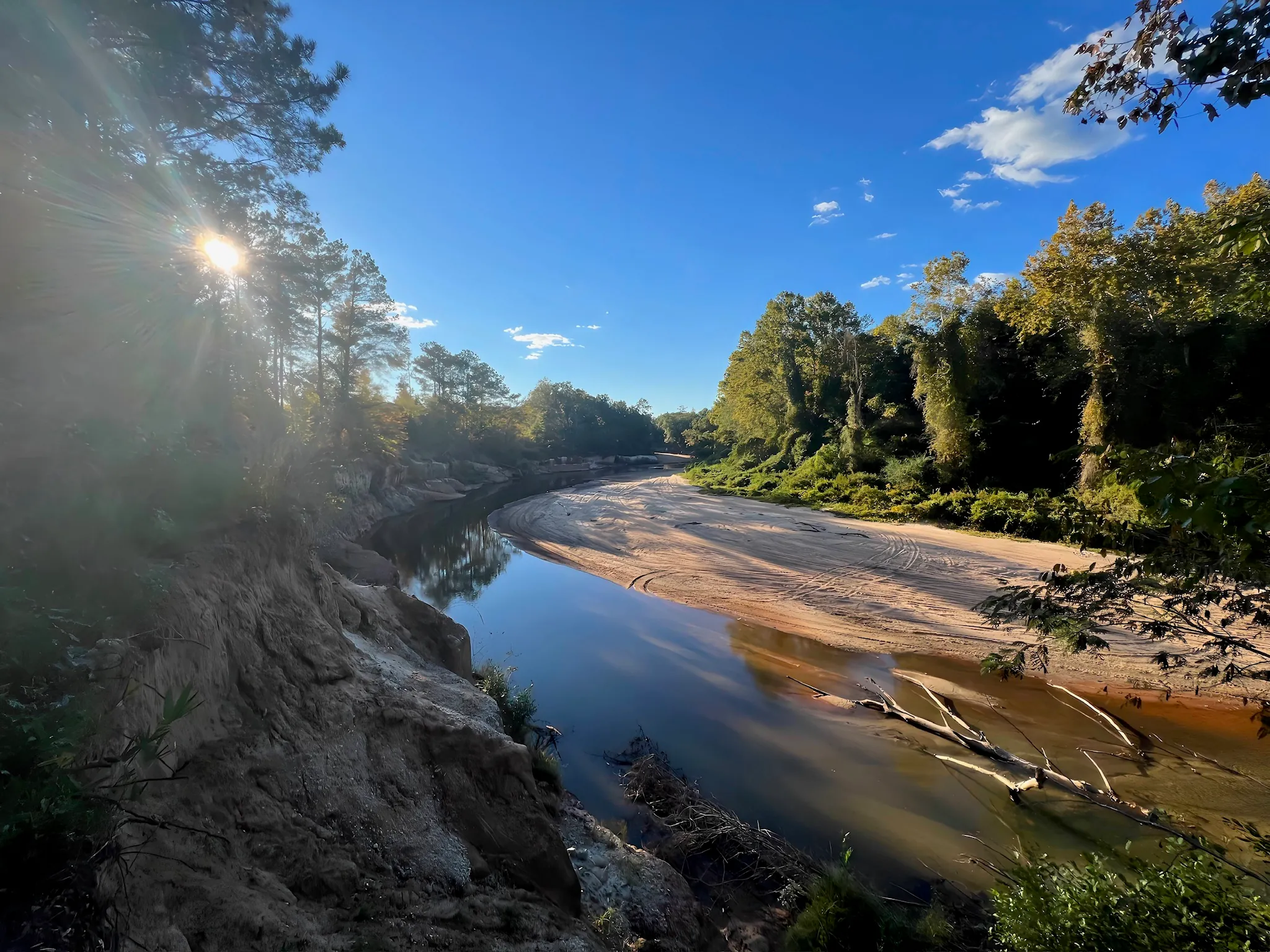
Farmcamp gives you the choice to make the food part of the evening or keep it completely out of the way. Guests in a cabin, furnished glamping tent, RV rental, or campsite can choose the setup that fits their comfort level, then plan dinner around the time they want to spend at the pool, creek, trails, firepit, or PinkBar. The stay comparison is a good place to start if you are deciding what kind of weekend you want.
Before you shop, look at the event calendar and use the first-time guide to settle the practical details. Then choose one easy dinner for arrival, one dinner that feels like an occasion, and one backup. That is enough structure to eat well without turning the whole weekend into meal prep.
Frequently asked questions
What is the easiest dinner to make while camping?
A one-pot meal, a skillet meal, or a foil packet is usually the easiest choice because it keeps the cooking kit and cleanup small. Pick ingredients that can be prepared at home, and make the arrival-night meal especially simple.
What should I cook on the first night of camping?
Choose something you can eat soon after setting up, such as a prepared pasta salad, sandwiches, wraps, a one-pan quesadilla, or a pre-made chili that only needs warming. Save the longer campfire meal for a night when everyone is settled.
How do I keep camping dinners from making too many dishes?
Plan around one pan, one pot, or individual foil packets. Prep vegetables and seasoning at home, serve in bowls or directly from a packet when appropriate, and clean the cooking area as soon as dinner ends.
What can I make for dinner while camping without a fire?
A camp stove is useful, but it is not required for every dinner. Cold pasta salad, hearty wraps, snack plates with fruit and cheese, bean salads, and ready-to-eat grain pouches can make a satisfying no-fire dinner.
Related posts
 Camping Lunch Ideas: 12 Easy Meals for Your WeekendThese easy camping lunch ideas keep the middle of an outdoor day simple: packable favorites, low-fuss cooler meals, and a food plan that leaves time for the water, woods, and people you came with.Camping Breakfast Ideas: 10 Easy Morning MealsThese camping breakfast ideas make outdoor mornings easier, with no-cook favorites, make-ahead options, and simple camp meals that leave more time for the creek, trails, and whatever the day brings.Camping Meal Plan: An Easy Two-Day Food PlanBuild a simple camping meal plan for a two-day weekend, with flexible breakfasts, lunches, dinners, snacks, cooler basics, and a grocery list that does not take over the trip.Camping Snack Ideas: 18 Easy Picks for Your TripThese camping snack ideas make it easier to pack for trail time, pool days, late arrivals, and the hungry hour before dinner, without filling the cooler with food nobody wants.
 Campfire Desserts: 12 Easy Ideas Beyond S'moresThese easy campfire desserts keep the after-dinner part of a camping weekend simple, shareable, and worth staying by the fire for.
 Camping Coffee: 7 Easy Ways to Make a Better Camp MorningMake camping coffee simple with seven practical methods, a small packing list, and an easy way to choose the setup that fits your morning.
Plan your stay
Keep dinner easy. Leave room for the good part.
Choose a Farmcamp stay, pack one practical dinner plan, and save your energy for the creek, firepit, and people around you.