
Camping snacks are not an afterthought. They are the small, useful food that keeps a drive from getting long, a trail walk from becoming a mood, and the space between swimming and dinner from turning into a negotiation. The best camping snack ideas are easy to find, easy to carry, and easy to match to the kind of day you actually have.
Start with the rhythm of your weekend. You may need something in the car, something in a day bag, something cold after the pool, and something shareable around the fire. That is different from bringing every snack aisle favorite. A short plan protects cooler space, reduces trash, and leaves more room for the parts of Farmcamp you came to enjoy.
Build your snack bag around four moments
Give every snack a job before it goes into the car. That one decision keeps you from buying five versions of the same thing and forgetting water, fruit, or the food that needs to stay cold.
- Drive snacks: easy, low-mess food for the ride and check-in.
- Day-bag snacks: sturdy options for trails, the pool, or creek time.
- Cooler snacks: chilled food for a hot afternoon or a more filling bite.
- Shared snacks: one or two things that make downtime feel generous.
Keep the first two shelf-stable when possible. The USDA’s camping food-safety guidance recommends using a cold source for perishables and choosing non-perishable food when you cannot keep food cold. That is a useful rule because a snack should make the day easier, not become another thing to worry about.
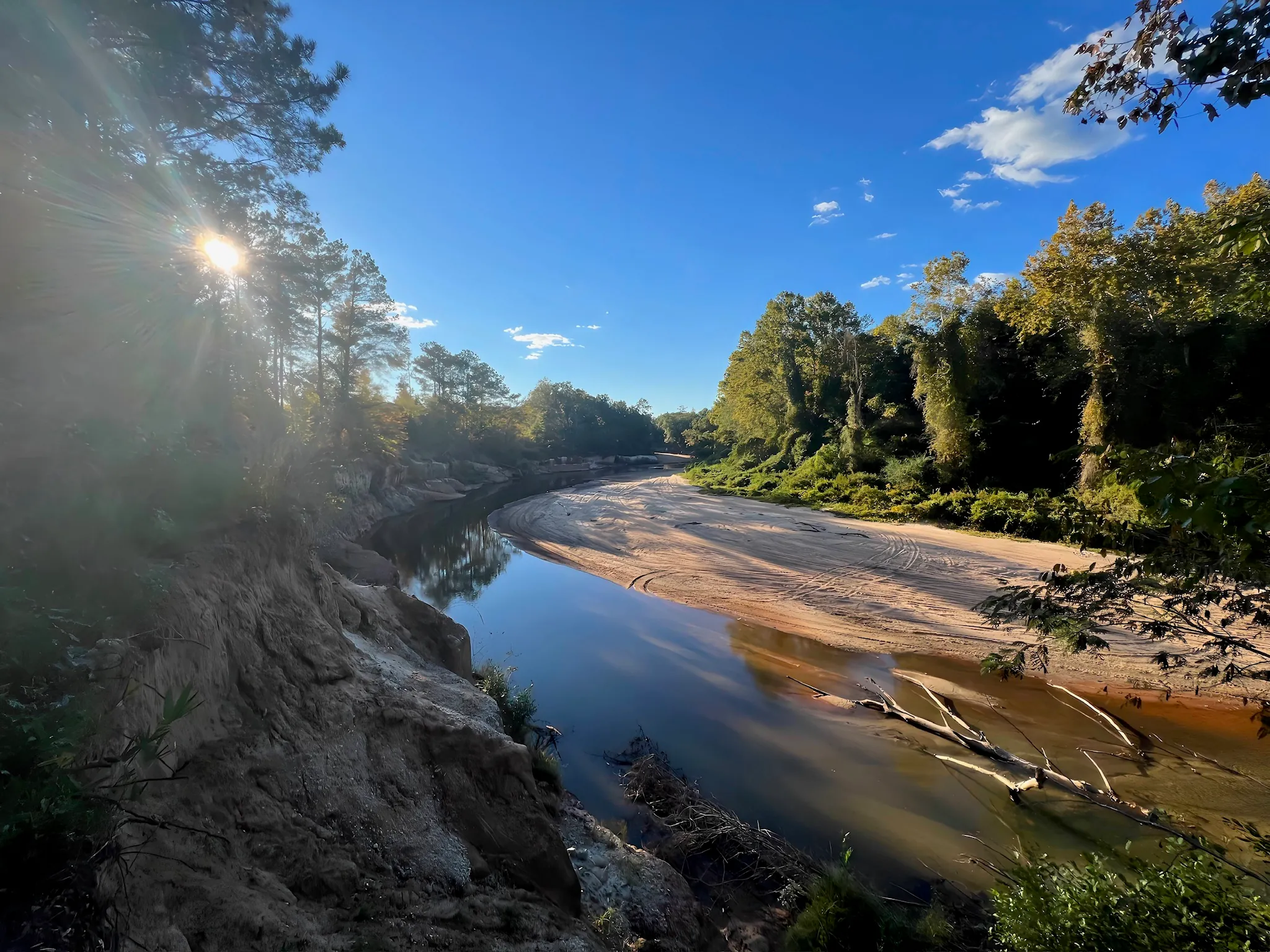
9 camping snacks that do not need a cooler
These are the dependable options for a backpack, a car door pocket, or a shared tote at the campsite. Always check ingredients for allergies and follow package directions once something is opened.
1. Trail mix you will actually eat
Make a mix with nuts, dried fruit, seeds, pretzels, cereal, or a little chocolate if the weather is not brutal. Portion it into small containers so one open bag does not become everyone’s sandy snack by noon.
2. Whole apples, oranges, and bananas
Whole fruit travels better than cut fruit and gives people an easy choice when they do not want another salty snack. Pack fruit near the top of the tote so it does not get bruised under camp gear.
3. Peanut butter pretzels or crackers
These are familiar, filling, and easy to hand to someone who needs food now. Bring a backup option if anyone in the group avoids peanuts.
4. Jerky or a shelf-stable protein pouch
These work well when a hike runs longer than expected. Pair them with crackers or fruit rather than treating them as a full meal.
5. Popcorn
Popcorn is light, shareable, and less fussy than a dozen individually wrapped snacks. Choose a resealable bag and bring a small bowl or cup if you want to keep it from flying everywhere.
6. Nut-butter packets and rice cakes
Keep the packets unopened until you are ready to use them. They make an uncomplicated snack when you want something more substantial than fruit alone.
7. Dried fruit
Apricots, raisins, dates, mango, and apple rings are easy to pack. Combine them with nuts or seeds to keep the snack from feeling like a quick sugar rush.
8. Roasted chickpeas or edamame snacks
Crunchy, shelf-stable options give a group another savory choice beyond chips. They are especially useful when people have different preferences around meat or dairy.
9. A simple campfire treat
Graham crackers and marshmallows can be fun, but do not make them the only evening food. Add fruit, popcorn, or another filling snack so the group has a real choice before the sweet stuff comes out.
6 cooler snacks for a hot afternoon
Cold snacks earn their place when the day is warm, the pool is calling, or dinner is still a while away. Pack them cold before leaving and keep the cooler closed as much as you can. The USDA notes that chilled perishable food should stay out of the 40 to 140 degree temperature range, so use ice or frozen gel packs and do not leave dairy, meat, or prepared food sitting in the sun.
10. Cheese sticks and fruit
Keep portions together in a container, then take out only what your group will eat. Apples, grapes, or berries make an easy companion.
11. Hummus with sturdy vegetables and crackers
Bring a small container rather than a family-size tub. Carrots, snap peas, and bell pepper strips travel well when they are prepped at home.
12. Yogurt with granola packed separately
This is a calm morning snack or a useful reset after a swim. Keep the granola dry until serving so it stays crunchy.
13. Cold pasta or bean salad
Make a small batch that can be eaten as a snack or a light lunch. Return leftovers to the cooler promptly, and do not rely on it if the ice has melted away.
14. Hard-boiled eggs and crackers
Pack them cold and use them early in the trip. A little salt, pepper, and fruit on the side turns this into a satisfying break without cooking.
15. A small snack box
Build a few containers with fruit, cheese, crackers, vegetables, and a dip or protein. It feels more considered than a pile of bags, and it makes it easier for everyone to grab what fits.
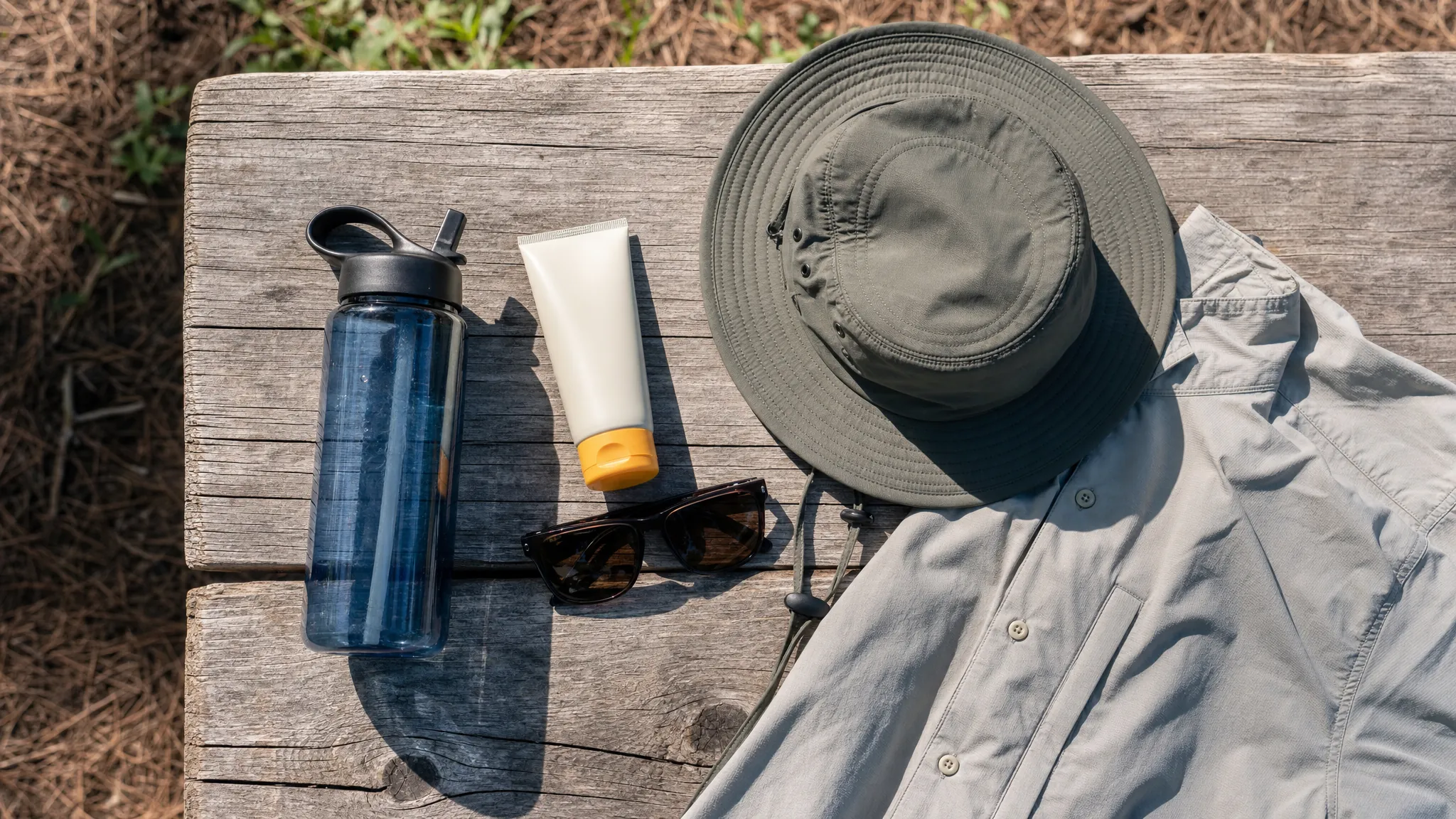
Three snack plans for a Farmcamp weekend
For trail and creek time
Bring water, whole fruit, a small trail mix, crackers, and a shelf-stable protein option. Use the property map to plan the pace of your day, then pack only what you can comfortably carry and protect from water.
For a pool afternoon
Pack cold water, fruit, a small cooler snack, and a salty shelf-stable option. A towel, sunscreen, and dry shirt belong in the same day bag, so you can go from the pool or creek to the next plan without a scramble. The amenities guide can help you picture the day before you pack.
For an event weekend
Keep arrival food simple and bring one shareable snack for the slower part of the evening. Check the event calendar before you shop, because a fuller schedule usually calls for snacks that can be eaten between plans rather than a complicated food project.
Pack snacks safely and keep wildlife out of the plan
Food safety and food storage matter even on a relaxed car-camping weekend. Keep raw food away from ready-to-eat snacks, wash hands before handling food, and return chilled items to the cooler promptly. The National Park Service’s camp cooking guidance also reminds campers to store food securely. Do not leave snacks, wrappers, or scented items out at your site, and follow all property guidance about food and fires.
A practical setup is two containers: one cooler for perishable food and one sealed tote for shelf-stable snacks. Keep the cooler shaded, open it only when needed, and put the first food you expect to use near the top. This is not glamorous camp planning. It is the kind that makes the rest of the weekend feel easy.
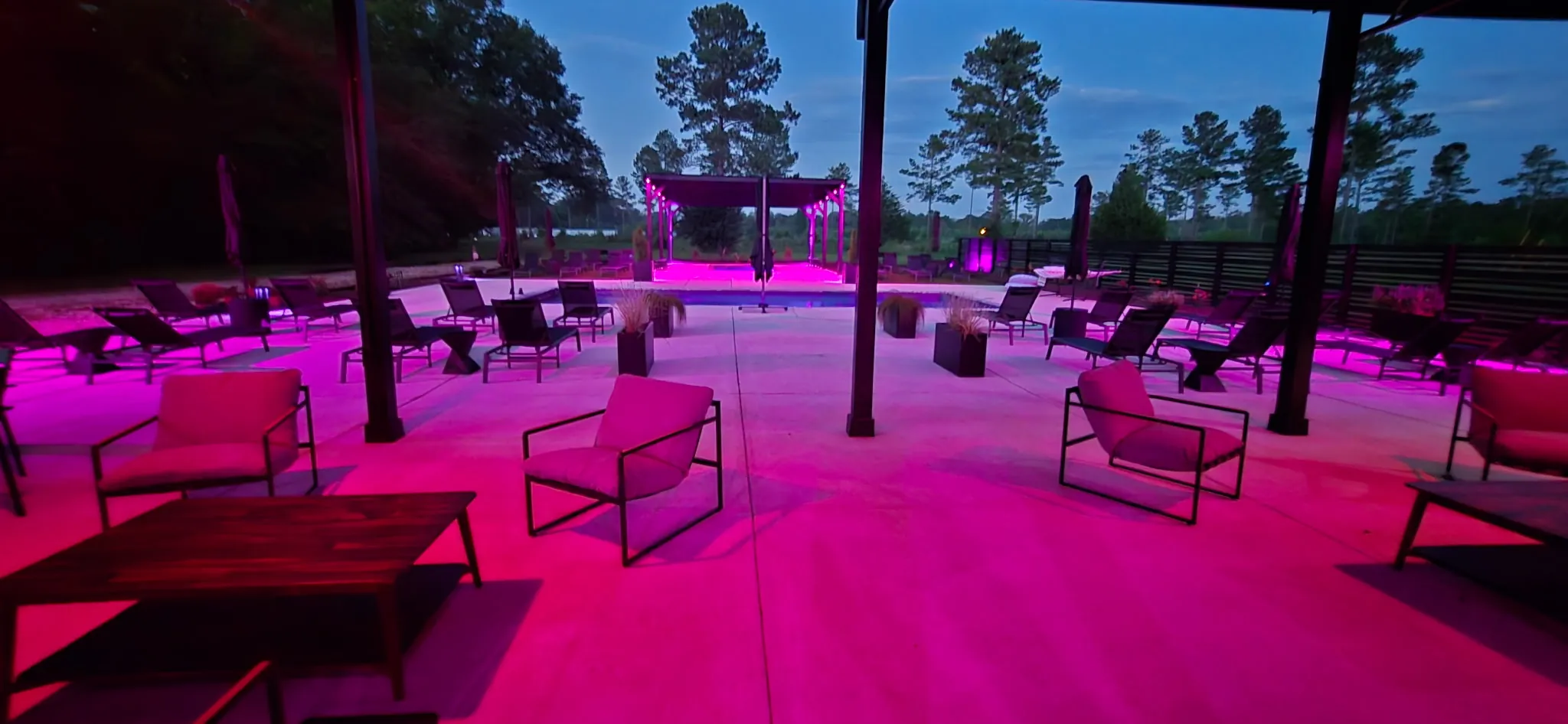
How Farmcamp makes an easy food plan worthwhile
Farmcamp gives you more choices than a meal schedule. Choose a cabin, furnished tent, RV rental, or campsite that fits your comfort level, then keep food flexible enough for the pool, creek, trails, firepit, and the people you meet along the way. The stay comparison is a good place to start.
For a fuller weekend menu, pair this guide with Farmcamp’s camping breakfast ideas, camping lunch guide, and camping dinner ideas. When you are ready to choose dates, use the first-time guide and booking page to make the practical parts clear before you leave home.
One short shopping list is enough
For a two-night trip, start with three or four shelf-stable snacks, two cold options, fruit, plenty of water, and one shareable treat. Buy the ingredients you know your group reaches for at home. A camping weekend is not the moment to fill a tote with unfamiliar bars and snacks that only sound good in the store.
Put the snacks you will want first near the top of the car or cooler. Keep the next day’s items together, then leave the rest sealed until you need them. If you are traveling with friends, ask once about allergies, dietary needs, and favorite salty or sweet options before shopping. That small check makes the snack table feel more welcoming and cuts down on food that gets carried home unopened.
Most importantly, leave a little room for flexibility. You might stay out at the creek longer than planned, decide to share a meal at an event, or skip a long hike because the pool looks better. A simple snack plan gives you options without turning a relaxed weekend into a food-management project.
Frequently asked questions
What snacks are good for camping without a cooler?
Whole fruit, nuts, trail mix, nut-butter packets, crackers, pretzels, popcorn, jerky, dried fruit, and unopened shelf-stable pouches are practical choices. Check each package, and keep any opened or chilled food in the cooler.
How many snacks should I bring camping?
For a weekend, pack a few choices for each person for the drive, the active part of the day, and the hour before dinner. Bring familiar staples first, then one shareable treat. It is easier to add a little variety than to haul home a cooler full of leftovers.
How do I keep camping snacks safe in warm weather?
Keep perishable snacks cold with ice or frozen gel packs, keep the cooler closed and shaded, and return chilled food promptly after serving. Shelf-stable snacks are the simpler choice when a reliable cold source is not available.
What is a good snack after a hike or swim?
Choose something easy to eat and drink around: fruit with nut butter, crackers with a shelf-stable protein pouch, a trail mix, or a cold snack from the cooler. Bring water too, especially during warm weather.
Related posts
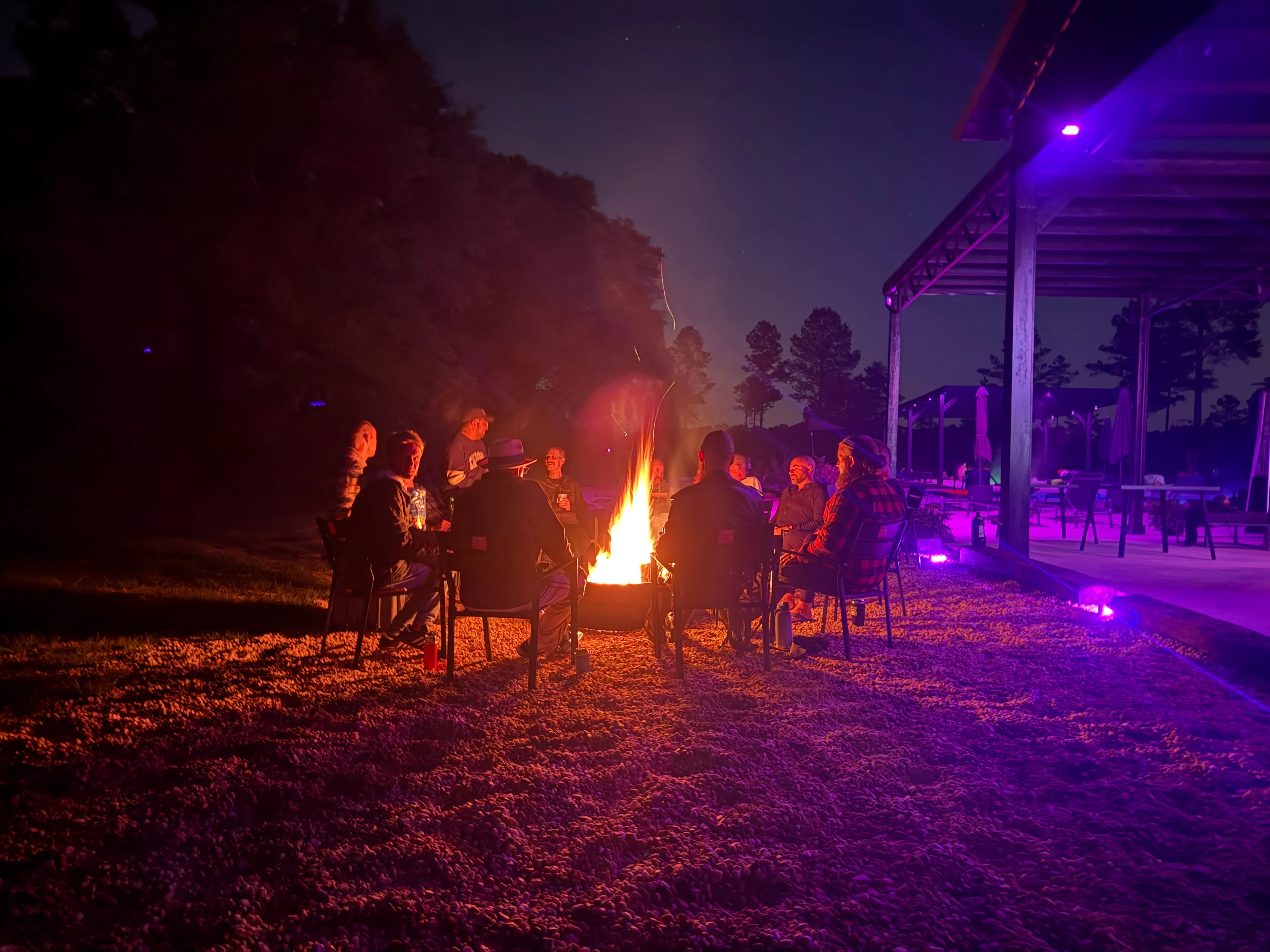 Camping Lunch Ideas: 12 Easy Meals for Your WeekendThese easy camping lunch ideas keep the middle of an outdoor day simple: packable favorites, low-fuss cooler meals, and a food plan that leaves time for the water, woods, and people you came with.
 Camping Breakfast Ideas: 10 Easy Morning MealsThese camping breakfast ideas make outdoor mornings easier, with no-cook favorites, make-ahead options, and simple camp meals that leave more time for the creek, trails, and whatever the day brings.Camping Meal Plan: An Easy Two-Day Food PlanBuild a simple camping meal plan for a two-day weekend, with flexible breakfasts, lunches, dinners, snacks, cooler basics, and a grocery list that does not take over the trip.Camping Dinner Ideas: 12 Easy Meals for Camp NightsThese camping dinner ideas make the end of an outdoor day easy, with one-pot meals, foil packets, no-cook backups, and a little prep that leaves more time around the fire.
 Campfire Desserts: 12 Easy Ideas Beyond S'moresThese easy campfire desserts keep the after-dinner part of a camping weekend simple, shareable, and worth staying by the fire for.
 Camping Coffee: 7 Easy Ways to Make a Better Camp MorningMake camping coffee simple with seven practical methods, a small packing list, and an easy way to choose the setup that fits your morning.
Plan your stay
Pack a little better. Leave room for the weekend.
Choose a Farmcamp stay, bring snacks that fit the day, and save your energy for the creek, firepit, and people around you.