

A camping food shopping list should make the weekend easier, not turn your car into a rolling pantry. The useful version starts with the meals you will actually eat, the equipment you actually have, and enough slack for a late arrival, a hot afternoon, or a group that would rather sit by the creek than cook a complicated dinner.
This guide is built for a relaxed two-night car-camping or glamping weekend. It is not a meal plan carved in stone. Use it as a short, flexible grocery framework, then cross off anything that does not fit your group. The goal is simple: good food, a manageable cooler, and more time for the people and plans that brought you outside.
Build the list from meals, not grocery aisles
Before shopping, write down arrival night, two mornings, one or two lunches, one easy dinner, and a backup meal. That is enough structure to stop the common camping mistake: buying ingredients that sound appealing separately but never turn into food together. A tortilla can become a first-night wrap, breakfast taco, or lunch. Fruit can cover breakfast and snacks. Beans can work in dinner, lunch, or the backup meal.
Start by checking the stay and the trip. A cabin or RV rental may give you different food options than a tent site. A packed event weekend calls for faster meals than a quiet afternoon around the fire. Farmcamp’s stay comparison, event calendar, and first-time guide make those choices clearer before you start loading groceries.
- Arrival meal: something that needs little or no cooking.
- Breakfasts: familiar food that starts the day without a project.
- Lunch: portable options for a trail, pool, or creek day.
- Dinner: one meal worth sitting down for, plus a simple backup.
- Snacks and water: enough for the drive, activity, and the hungry hour before dinner.
Your camping food shopping list for a two-night trip
Choose from each group below instead of buying every item. The quantities depend on your group and appetite, but the principle stays the same: buy a short list of ingredients that do more than one job.
Fresh and cooler food
- Whole fruit, such as apples, oranges, grapes, or bananas
- Vegetables that travel well, such as peppers, carrots, cucumbers, onions, or potatoes
- Eggs, cheese, yogurt, hummus, or another chilled breakfast and snack option
- One cooked or ready-to-heat protein, plus beans or chickpeas for a flexible second option
- Ice or frozen water bottles, with enough room in the cooler for food to stay cold
Shelf-stable basics
- Tortillas, bread, crackers, oats, cereal, rice, pasta, or couscous
- Canned beans, tuna or chicken pouches, jarred sauce, soup, or a ready rice option
- Nuts, trail mix, pretzels, popcorn, dried fruit, and one shareable treat
- Cooking oil, salt, pepper, a favorite seasoning, and the condiments you will truly use
- Drinking water, coffee or tea, and any drink mix your group enjoys
For more meal ideas, pair this list with Farmcamp’s easy camping breakfasts, camping lunch guide, and easy camping dinners. Those guides help you turn a few basics into meals without shopping for a separate recipe every time.
Pack the cooler so the first meal is easy to reach
A crowded cooler can still work if it is organized around when food will be used. Put the first meal and any ready-to-eat food near the top. Keep the food you need later lower down and cold. If your group is bringing plenty of drinks, a separate drink cooler can cut down on the warm-air rush every time someone wants a water.
The USDA advises keeping perishable food at 40°F or colder, using a cold source, keeping raw food separate from ready-to-eat items, and discarding leftovers if the cooler no longer has ice. That makes a simple planning rule: use more perishable ingredients early, keep hands and surfaces clean, and do not gamble on food that has warmed up.

Put shelf-stable snacks in a separate sealed tote, not loose in the car. The USDA’s outdoor food-safety guidance also recommends bringing safe drinking water and keeping food protected. At the campsite, follow all property rules for food, trash, and fires.
Easy meals that share ingredients
The best shopping list is not a pile of unrelated food. It is a small cast of ingredients that can move from one meal to another. Here is a practical two-night rhythm:
Friday arrival: wraps or snack plates
Bring tortillas, hummus or a prepared protein, cheese, vegetables, fruit, and something crunchy. You can eat almost immediately, then unpack without making dinner the whole evening. If the drive runs long, nobody is waiting for coals or a skillet to cooperate.
Saturday breakfast: eggs, oats, or yogurt and fruit
Choose one warm option and one no-cook option. Eggs, tortillas, cheese, and vegetables can become breakfast tacos. Oats or yogurt with fruit work when the group wants to head outside quickly. A morning should not require everyone to stand around hungry while one person tries to cook a brunch menu.

Saturday lunch: sandwiches, wraps, or a chilled bowl
Use the same tortillas, fruit, vegetables, crackers, and protein. Add a cold pasta or bean salad if you want something more filling. Pack lunch before a pool, trail, or creek plan so the afternoon can stay open.
Saturday dinner: one skillet, foil packets, or a prepared favorite
Make one meal that feels a little special, such as sausage with peppers and potatoes, tacos with beans and vegetables, or reheated chili with toppings. Farmcamp’s two-day camping meal plan is useful when you want the menu mapped out more closely. Keep a shelf-stable backup for rain, late arrivals, or the evening when nobody feels like cooking.
Do not forget the food-adjacent essentials
A grocery list is incomplete if it ends with food. Bring a can opener when you need one, a knife and cutting board, tongs or a spatula, a pot or skillet that matches your plan, plates and cups, dish soap, a scrubber, trash bags, food containers, and a way to wash hands. You do not need a camp kitchen worthy of a cooking show. You need the few things that let you prepare, eat, and clean up without a scavenger hunt.
Check whether your site has a grill or firepit before assuming the dinner plan. The REI camp-kitchen checklist is a useful reminder that the cooking method, cleanup kit, storage, and food plan belong together. Bring what your meals require, then leave the specialty tools at home.
Make room for water, weather, and spontaneity
It is easy to spend all your cooler space on food and then realize nobody packed enough water. Start there. Bring a bottle or jug for the drive and the day, then pack meals around the space that remains. The National Park Service advises visitors spending time in heat to bring water, use sun protection, and take shade breaks. Those are small choices that matter on a Southern outdoor weekend.
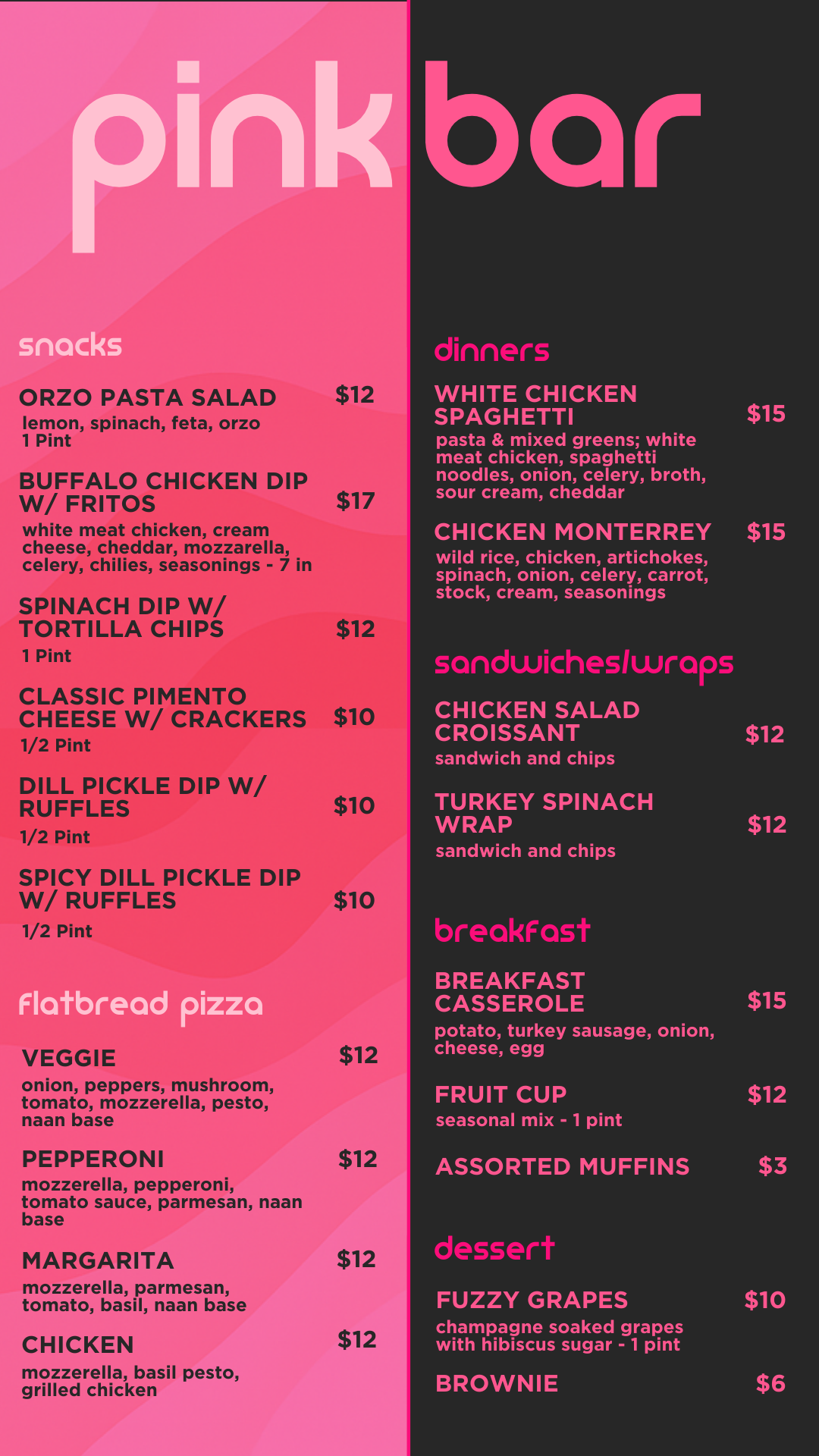
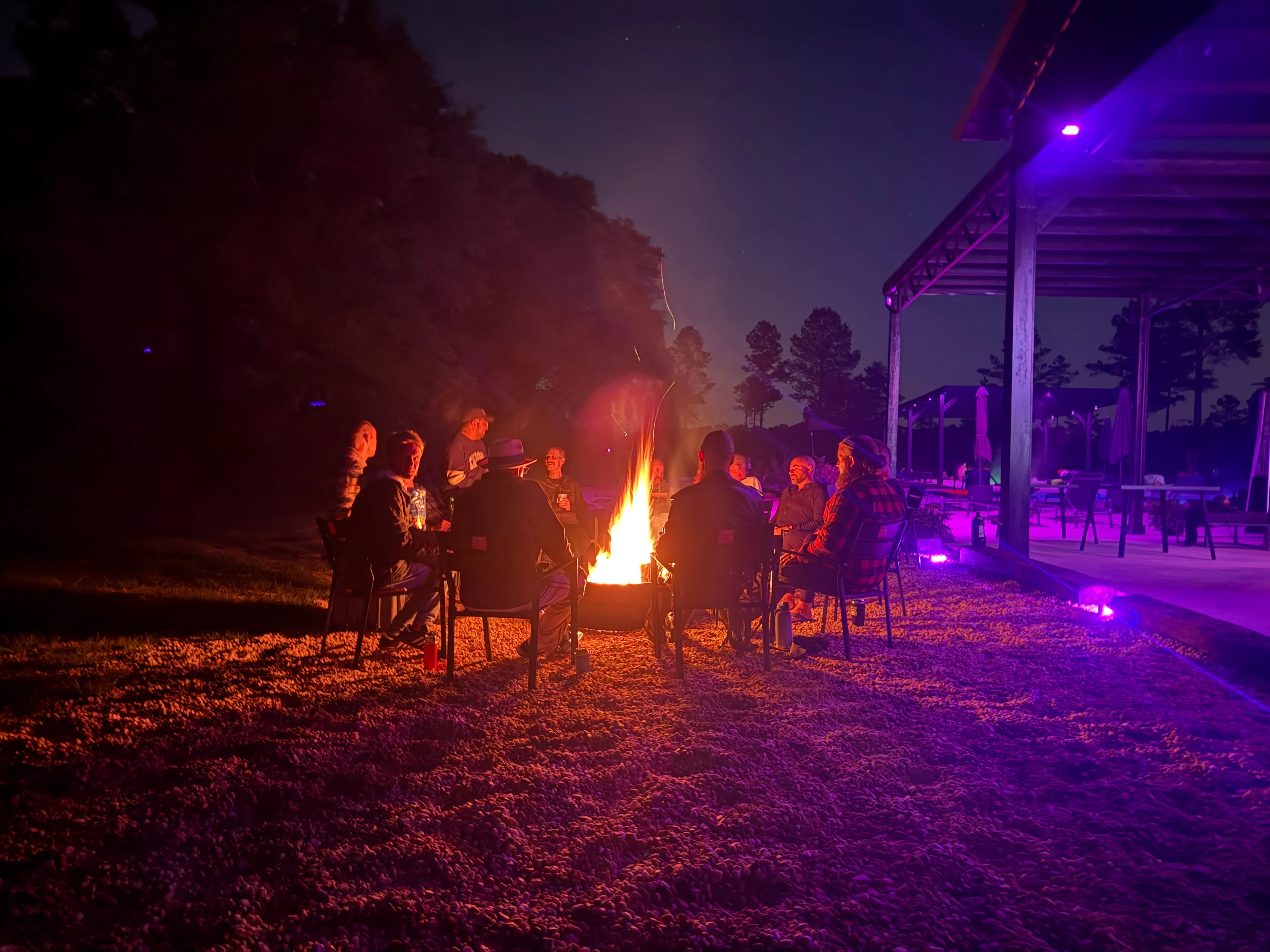
At Farmcamp, the pool, spa, creek, trails, firepit, and PinkBar can all change the shape of a day. The amenities guide can help you pack for the plans you actually want, rather than buying food for a schedule nobody keeps. One useful snack, enough water, and a flexible backup meal are often better than a complex menu.
Clean up, store leftovers, and make tomorrow easier
After dinner, pack leftovers promptly, wipe down the cooking area, seal the trash, and put tomorrow’s breakfast together before the lantern comes out. It takes a few minutes, but it protects the next morning from a messy table and a hunt for coffee, water, or utensils. Keep cold leftovers cold, and only save them when the cooler is still doing its job.

Then stop planning. A food list should support the weekend, not become a second job. Once the basics are handled, you can spend the evening at the firepit, make a stop at PinkBar, or simply sit still for a while. That is the point of choosing easy food in the first place.
How Farmcamp fits an easy food plan
Farmcamp is a better weekend when food leaves room for the rest of it. Choose the stay that fits your comfort level, bring the few meals you know your group will enjoy, and leave space for water time, trails, events, and downtime. Guests in cabins, furnished glamping tents, RV rentals, and campsites can all make the plan their own.
When you are ready, review Farmcamp stays, confirm the practical details in the FAQs, and use the booking page to check dates. Start with a short grocery list. The better part of the weekend begins after the shopping is done.
Frequently asked questions
What food should I bring for a two-night camping trip?
Bring one easy arrival dinner, two simple breakfasts, one portable lunch, one relaxed dinner, a shelf-stable backup, snacks, and enough water. Choose ingredients that appear in more than one meal so the cooler stays useful instead of crowded.
How do I keep camping food cold?
Pack chilled food against ice or frozen gel packs, keep the cooler closed and shaded, and use the most perishable food early in the trip. If the cooler no longer has ice or a reliable cold source, do not save perishable leftovers for later.
What food can stay outside the cooler while camping?
Whole fruit, unopened shelf-stable pouches, nuts, crackers, oats, tortillas, canned beans, rice, pasta, and unopened condiments can usually stay in a sealed food tote. Check each package, keep food protected from wildlife, and follow the property’s food-storage rules.
How can I avoid buying too much food for camping?
Plan meals before shopping, then buy only the ingredients that have a clear job. Pick a few versatile items, such as tortillas, fruit, beans, cheese, and vegetables, rather than a separate grocery haul for every meal.
Related posts
Plan your stay
Shop simply. Leave room for the weekend.
Choose a Farmcamp stay, pack the meals you will actually enjoy, and save the rest of your energy for the creek, firepit, and people around you.